
 English
 Español
 عربى
عربى1. Introduction to Middle Seal Bags
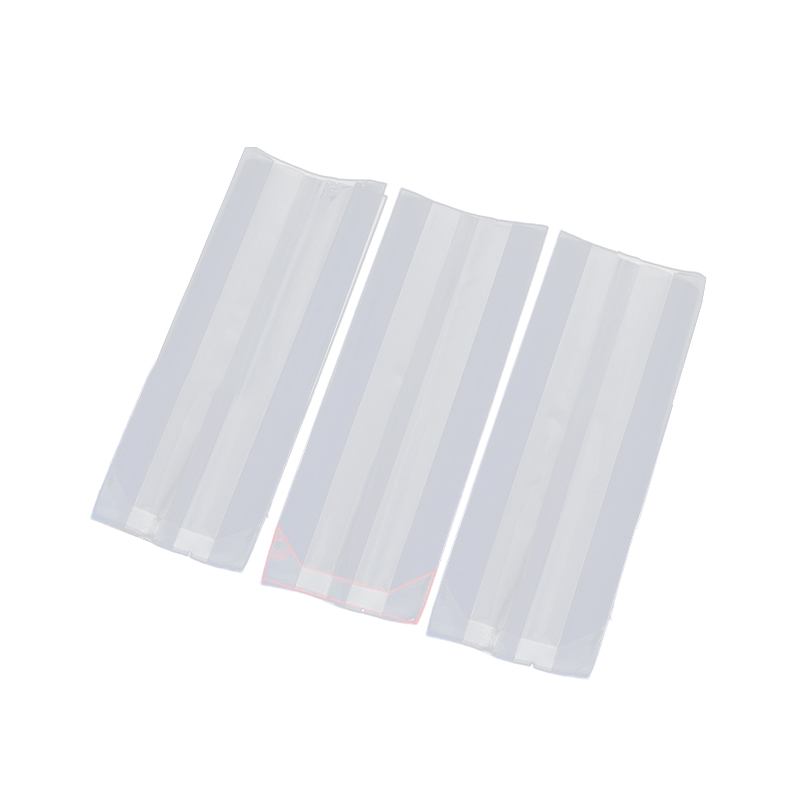
Middle seal bags, also known as center-seal bags, are a type of flexible packaging commonly used across various industries for their durability and versatility. Unlike side-seal bags, middle seal bags feature a vertical seam running down the center of the back of the bag, which provides enhanced strength and a more uniform shape. This design makes them particularly suitable for products that require stability and a professional appearance on store shelves.
One of the key advantages of middle seal bags is their ability to accommodate a wide range of materials and finishes. They can be manufactured from polyethylene (PE), polypropylene (PP), or laminated films, each offering different levels of barrier protection, flexibility, and printability. The design also allows for additional features such as zippers, perforations, or gussets, making these bags highly adaptable to different packaging needs.
Middle seal bags have gained popularity in the packaging industry due to their combination of functional and aesthetic benefits. They provide excellent sealing integrity, helping to prevent leaks and contamination, while also maintaining the product’s freshness. Additionally, their clean, professional appearance enhances brand presentation, making them a preferred choice for food, pharmaceuticals, cosmetics, and a variety of consumer goods.
2. Types of Middle Seal Bags
Middle seal bags come in various types, which can be categorized based on the materials used and the specific features they offer. Understanding these differences helps manufacturers and businesses choose the right bag for their products.
2.1 Based on Materials
2.1.1 Polyethylene (PE) Middle Seal Bags
PE middle seal bags are lightweight, flexible, and cost-effective. They offer good moisture resistance, making them ideal for packaging snacks, frozen foods, and other products that require protection from humidity. These bags are easy to seal and can be customized with printing and colors.
2.1.2 Polypropylene (PP) Middle Seal Bags
PP bags are stronger and more rigid than PE, offering better clarity and a premium appearance. They are commonly used for packaging products that need to maintain their shape, such as confectionery items, coffee beans, or powdered goods. PP bags also provide moderate barrier properties against moisture and oxygen.
2.1.3 Laminated Middle Seal Bags (e.g., PET/PE, BOPP/CPP)
Laminated bags combine multiple layers of materials to achieve superior barrier protection, strength, and printability. For example, PET/PE or BOPP/CPP laminates prevent oxygen and moisture ingress, making them ideal for sensitive products like coffee, tea, or pharmaceuticals. Laminated middle seal bags also allow high-quality printing, enhancing product branding.
2.2 Based on Features
2.2.1 Stand-Up Middle Seal Bags
Stand-up bags are designed with a gusset at the bottom, allowing them to remain upright on shelves. This makes them perfect for retail presentation, especially for food items like snacks, coffee, or frozen goods.
2.2.2 Lay-Flat Middle Seal Bags
Lay-flat bags are simple, cost-effective packaging solutions that are flat when empty. They are often used for bulk packaging, industrial products, or items that do not require shelf display.
2.2.3 Middle Seal Bags with Zippers
These bags come with resealable zippers, offering convenience for consumers and extending the product’s shelf life after opening. They are commonly used for snacks, powders, and consumer goods.
2.2.4 Middle Seal Bags with Perforations
Perforated middle seal bags are designed for easy tearing or portioning. This feature is useful for single-serve products, promotional packaging, or items that need controlled dispensing.
3. Common Uses of Middle Seal Bags
Middle seal bags are widely used across various industries due to their versatility, durability, and ability to maintain product integrity. Their applications can be broadly categorized into food packaging, pharmaceuticals, industrial products, and consumer goods.
3.1 Food Packaging
3.1.1 Snacks (chips, nuts, candies)
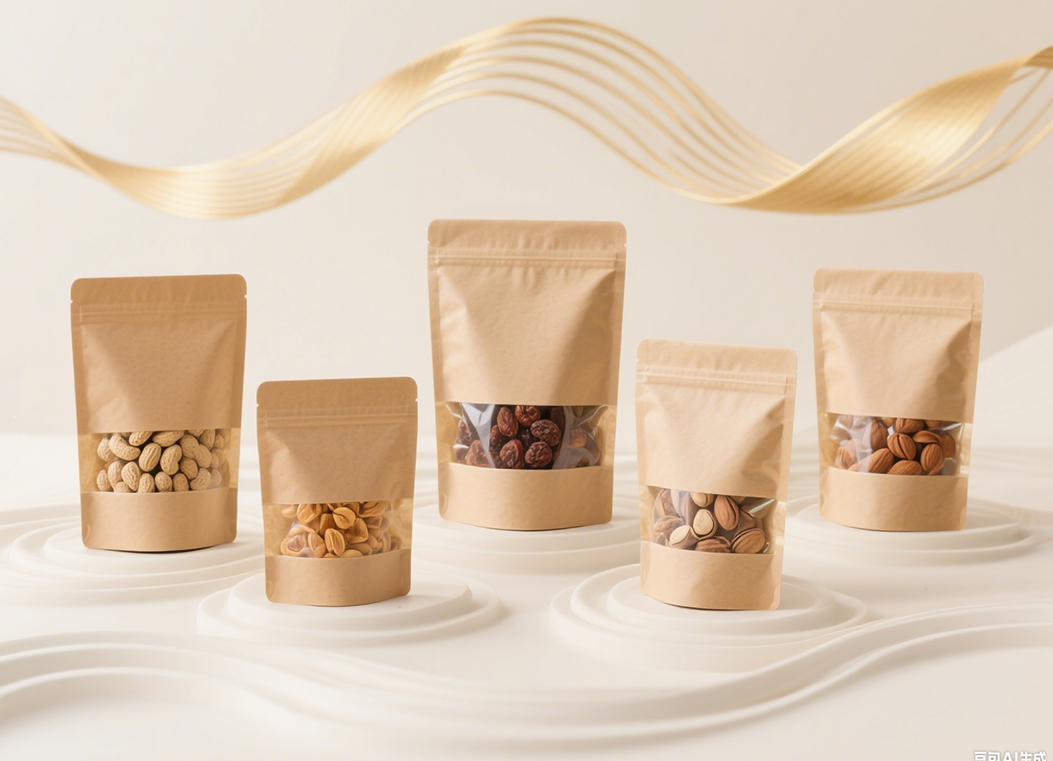
Middle seal bags are ideal for packaging snacks because they provide excellent sealing that preserves freshness and prevents contamination. Stand-up or lay-flat designs can be used depending on shelf display requirements.
3.1.2 Coffee and Tea
For coffee and tea, laminated middle seal bags with high-barrier properties help protect flavor, aroma, and freshness. Bags may include one-way degassing valves to release gas without allowing air inside.
3.1.3 Frozen Foods
Middle seal bags are suitable for frozen food products such as vegetables, seafood, and ready-to-eat meals. The strong seam and durable materials help withstand low temperatures and handling during transportation.
3.2 Pharmaceuticals
3.2.1 Pills and Capsules
Middle seal bags can securely package pills and capsules, offering tamper-evident seals and protection from moisture and contamination. They are often used for blister packs or bulk pharmaceutical products.
3.2.2 Powders
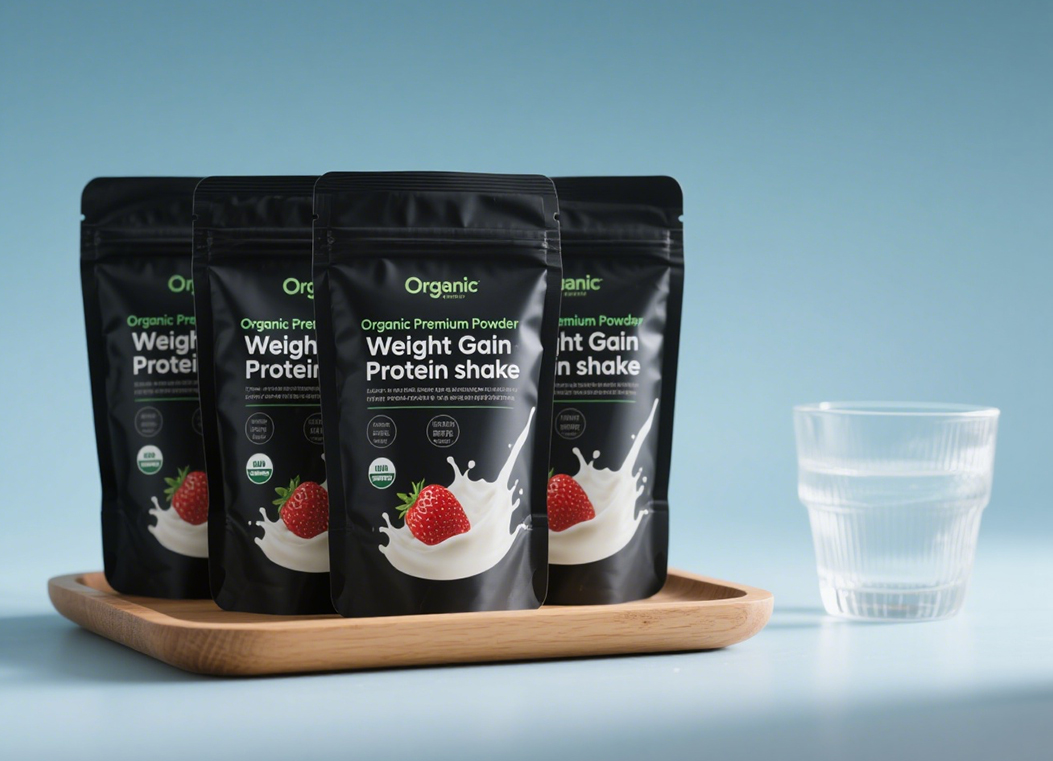
Powdered medicines or supplements benefit from the airtight sealing of middle seal bags, which helps maintain stability and extends shelf life.
3.3 Industrial Products
3.3.1 Hardware and Small Parts
Small hardware items, screws, and bolts are commonly packaged in middle seal bags for organization, protection, and easy distribution.
3.3.2 Chemicals
Non-hazardous chemicals, powders, and granules are packaged in laminated middle seal bags that provide leak-proof containment and barrier protection.
3.4 Consumer Goods
3.4.1 Cosmetics
Products such as face masks, bath salts, or beauty powders are packaged in middle seal bags to maintain hygiene, freshness, and visual appeal. Stand-up bags with attractive printing enhance shelf presentation.
3.4.2 Promotional Items
Middle seal bags are used for promotional merchandise, small giveaways, or limited-edition products due to their flexibility in size, shape, and custom printing.
4. Advantages of Using Middle Seal Bags
Middle seal bags offer numerous advantages that make them a preferred packaging solution across industries. These benefits range from improved product protection to cost savings and customization options.
4.1 Enhanced Sealing Integrity
4.1.1 Protection against contaminants
The center-seam design provides a secure seal that reduces the risk of contamination from dust, moisture, or microbes. This makes middle seal bags especially suitable for food, pharmaceuticals, and sensitive consumer products.
4.1.2 Prevention of leaks and spills
Middle seal bags ensure strong, consistent sealing, preventing leaks of liquids, powders, or granular products. This not only protects the product but also maintains cleanliness during storage and transportation.
4.2 Improved Shelf Life
4.2.1 Barrier properties against moisture and oxygen
Laminated or high-barrier middle seal bags can limit exposure to air and moisture, extending the shelf life of perishable products such as coffee, tea, snacks, and pharmaceuticals.
4.3 Cost-Effectiveness
4.3.1 Material efficiency
Compared to other packaging formats, middle seal bags often use less material while maintaining strength and protection, helping reduce waste.
4.3.2 Reduced packaging costs
Their simple construction allows for efficient manufacturing and lower production costs, making them an economical choice for businesses.
4.4 Customization Options
4.4.1 Printing capabilities
Middle seal bags can be printed with logos, branding, nutritional information, or decorative designs, enhancing product presentation and marketing appeal.
4.4.2 Size and shape variations
They can be produced in various sizes, thicknesses, and features such as stand-up gussets, zippers, or perforations, making them adaptable to different product types and packaging requirements.
5. How to Choose the Right Middle Seal Bag
Selecting the appropriate middle seal bag is essential to ensure product protection, shelf appeal, and compliance with industry standards. The choice depends on the product type, packaging requirements, and regulatory considerations.
5.1 Consider the Product Requirements
5.1.1 Size, weight, and nature of the product
The bag must be sized appropriately for the product it will contain. Heavy or bulky items require thicker, more durable materials, while lightweight items may use thinner films.
5.1.2 Required barrier properties
Products sensitive to moisture, oxygen, or light—such as coffee, tea, or pharmaceuticals—need bags with high-barrier properties to maintain freshness and quality.
5.2 Evaluate Material Options
5.2.1 PE, PP, Laminated Films
The choice of material affects strength, flexibility, printability, and barrier performance. PE is cost-effective and flexible, PP provides clarity and rigidity, and laminated films offer superior protection and branding possibilities.
5.2.2 Consider recyclability and environmental impact
Businesses increasingly prioritize sustainable packaging. Choosing recyclable or biodegradable films can reduce environmental impact and appeal to eco-conscious consumers.
5.3 Assess Sealing Requirements
5.3.1 Heat sealing, impulse sealing
Different sealing methods are compatible with different materials. Heat sealing is common for PE, while laminated films may require impulse or ultrasonic sealing for strong, durable seals.
5.3.2 Seal strength and durability
The seal must withstand handling, shipping, and storage without opening or leaking. Bags for liquids, powders, or fragile items require particularly robust sealing.
5.4 Check for Compliance and Regulations
5.4.1 FDA regulations for food packaging
Food-contact middle seal bags must meet FDA standards to ensure safety and prevent contamination.
5.4.2 REACH and RoHS compliance
For international markets, compliance with chemical and safety regulations, such as REACH (Registration, Evaluation, Authorisation, and Restriction of Chemicals) and RoHS (Restriction of Hazardous Substances), may be required depending on the product.
6. Sealing Techniques for Middle Seal Bags
The sealing method is a crucial factor in ensuring the integrity, durability, and functionality of middle seal bags. Different techniques are used depending on the material, product type, and production requirements.
6.1 Heat Sealing
6.1.1 Process and equipment
Heat sealing uses controlled heat and pressure to bond thermoplastic materials together. The process typically involves a heated sealing bar that presses the film edges, creating a strong seam.
6.1.2 Optimal temperature and pressure settings
Proper temperature, pressure, and sealing time are essential to ensure a reliable seal without damaging the bag or product. These parameters vary based on the film type and thickness.
6.2 Impulse Sealing
6.2.1 Process and equipment
Impulse sealing delivers short, controlled bursts of electrical current to a resistive wire, which heats the film and seals it. This method is energy-efficient and suitable for laminated or multi-layer films.
6.2.2 Advantages for different materials
Impulse sealing allows precise control over temperature and duration, making it effective for materials that require delicate handling, such as thin films or heat-sensitive products.
6.3 Ultrasonic Sealing
6.3.1 Process and applications
Ultrasonic sealing uses high-frequency mechanical vibrations to generate localized heat and bond materials without external heat sources. It is ideal for heat-sensitive films and for applications requiring tamper-evident or airtight seals.
6.3.2 Benefits
Ultrasonic sealing produces consistent, strong seals, reduces cycle time, and minimizes the risk of damaging the product. It is increasingly used in food, pharmaceutical, and medical packaging.
7. Trends and Innovations in Middle Seal Bags
As consumer preferences and industry standards evolve, middle seal bags are continuously adapting through innovative materials, technologies, and smart features. These trends enhance sustainability, functionality, and consumer engagement.
7.1 Eco-Friendly Materials
7.1.1 Biodegradable and compostable films
Manufacturers are increasingly using biodegradable or compostable films to reduce environmental impact. These materials break down naturally, offering a sustainable alternative to traditional plastics.
7.1.2 Recycled content
Incorporating recycled plastics into middle seal bags reduces waste and supports circular economy initiatives. Many brands use partially recycled films without compromising performance or appearance.
7.2 Advanced Sealing Technologies
7.2.1 Improved seal strength
New sealing technologies and optimized processes enhance the durability and reliability of bag seals, preventing leaks and extending shelf life.
7.2.2 Tamper-evident seals
Tamper-evident features, such as tear strips or seal indicators, provide consumer assurance and improve product safety, particularly for food and pharmaceuticals.
7.3 Smart Packaging Solutions
7.3.1 QR codes and NFC tags
Middle seal bags increasingly integrate QR codes and NFC tags, enabling consumers to access product information, verify authenticity, or participate in marketing campaigns.
7.3.2 Track and trace capabilities
Smart packaging allows real-time monitoring of product movement through supply chains. This enhances logistics efficiency, reduces counterfeiting, and improves quality control.
8. Conclusion
Middle seal bags have established themselves as a versatile and reliable packaging solution across multiple industries. Their unique design, combined with a variety of materials and features, ensures excellent sealing integrity, product protection, and visual appeal. From food and pharmaceuticals to consumer goods and industrial products, these bags meet diverse packaging needs while offering cost-effectiveness and customization options.
Looking ahead, the future of middle seal bags is shaped by sustainability and technological innovation. Eco-friendly materials, advanced sealing methods, and smart packaging solutions are redefining the standards for functionality, safety, and consumer engagement. As manufacturers continue to innovate, middle seal bags are likely to maintain a prominent role in the packaging industry, offering both practical benefits and opportunities for brand differentiation.




