
 English
 Español
 عربى
عربىI. Overview of Stand Up Zipper Bags
Stand up zipper bags, often referred to as stand-up pouches, are one of the fastest-growing packaging formats in the global packaging industry. Their unique construction allows them to stand upright on shelves, creating better visibility and making them more attractive to consumers. Unlike traditional flat bags that need external support, these pouches have a gusseted bottom that expands when filled, giving them structural strength and stability. Combined with the resealable zipper closure at the top, stand up zipper bags deliver both functionality and convenience, meeting modern consumers’ expectations for easy-to-use and reliable packaging.
The basic structure of stand up zipper bags usually consists of multiple laminated layers of film. Common materials include polyethylene terephthalate (PET), polyethylene (PE), polypropylene (PP), and aluminum foil. Each layer serves a unique function: PET provides strength and printability, PE ensures heat sealability, PP adds stiffness, and aluminum foil delivers excellent barrier protection against oxygen, moisture, and light. Depending on the product being packaged, manufacturers can select single-material or multi-layer combinations to optimize both protection and cost-efficiency.
Another important feature is the zipper closure system. The resealable zipper allows consumers to open and close the bag multiple times without compromising freshness. Compared with traditional single-use plastic bags or heat-sealed sachets, this feature adds significant value, especially for products that are consumed gradually rather than in one sitting. It is particularly popular for snacks, coffee beans, tea, cereals, and pet food.
In contrast with conventional packaging, stand up zipper bags are lightweight, flexible, and occupy less storage space before filling. This reduces shipping costs and minimizes the carbon footprint. They also offer tremendous versatility in shapes, sizes, and printing options. From matte finishes that give a premium feel to transparent windows that showcase the product inside, stand up zipper bags provide countless opportunities for creative branding and differentiation.
Overall, the stand up zipper bag represents a new generation of packaging solutions that balance functionality, branding appeal, and environmental considerations. As consumer demand for convenience and sustainability grows, the popularity of these pouches is expected to continue rising across multiple industries worldwide.
II. Core Advantages of Stand Up Zipper Bags
The rapid adoption of stand up zipper bags across industries is driven by their core advantages, which extend far beyond aesthetics. These benefits align with consumer expectations, retailer requirements, and manufacturer needs, making the format universally appealing.
1. Excellent Shelf Presentation
The defining feature of stand up zipper bags is their ability to stand upright on shelves. This not only saves shelf space but also makes products more noticeable compared to flat or pillow packs. The vertical stance enhances brand visibility, making logos, product names, and graphics easier to read. Retailers prefer such packaging because it contributes to better store organization and more efficient merchandising.
2. Resealability for Freshness
The integrated zipper mechanism enables consumers to reseal the pouch after opening. This significantly extends the shelf life of products by preventing exposure to air, moisture, and contaminants. Whether storing coffee beans, nuts, or granola, resealability ensures the product remains fresh between uses. The consumer convenience of multiple-use functionality is one of the biggest selling points.
3. Lightweight and Durable
Compared with rigid packaging like glass jars or metal cans, stand up zipper bags are much lighter while still offering strong durability. They withstand pressure during transportation, resist punctures, and are less likely to shatter or leak. This balance between strength and flexibility is crucial for e-commerce shipments and global supply chains.
4. Cost Efficiency and Space Savings
Before filling, the bags are flat and occupy minimal space in warehouses. This reduces storage costs and increases logistic efficiency. Shipping costs are also significantly lower compared to rigid containers, since more units can fit into the same volume. Manufacturers and retailers benefit directly from these savings, making the packaging highly economical.
5. Versatility Across Industries
Stand up zipper bags are not restricted to one category. They are widely used for food, cosmetics, pharmaceuticals, pet products, and even hardware items. This adaptability makes them a “one-size-fits-all” solution, giving them an edge over traditional formats.
6. Environmental Benefits
As sustainability becomes a priority, stand up zipper bags have evolved with recyclable, biodegradable, and compostable options. Compared with bulky rigid packaging, flexible pouches generally consume less material and energy during production, resulting in a lower overall carbon footprint.
In summary, stand up zipper bags combine aesthetic appeal, functional convenience, and cost efficiency. Their strong balance of benefits explains why they are increasingly replacing outdated packaging styles across the globe.
III. Common Application Scenarios
The strength of stand up zipper bags lies in their versatility. They serve countless industries, each requiring unique barrier properties, branding opportunities, and functional features. Below are the most common applications:
1. Food Packaging
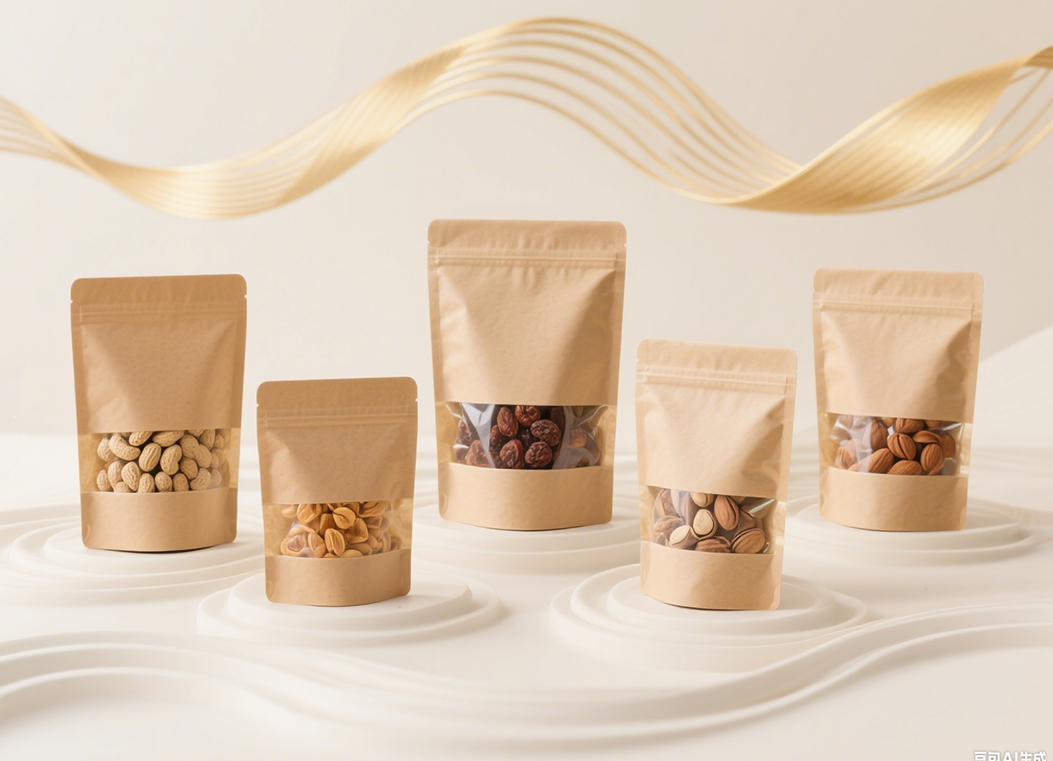
Food remains the largest segment for stand up zipper bags. Coffee beans and ground coffee, for example, require high oxygen barrier protection to preserve aroma and freshness. Many brands also include degassing valves to release carbon dioxide without letting air in. Similarly, nuts, dried fruits, candies, snacks, and cereals benefit from resealable zippers, which allow consumers to enjoy the product gradually. For products like sauces or soups, spouted stand up pouches with zippers offer a convenient pour-and-reseal option.
2. Tea and Herbal Products
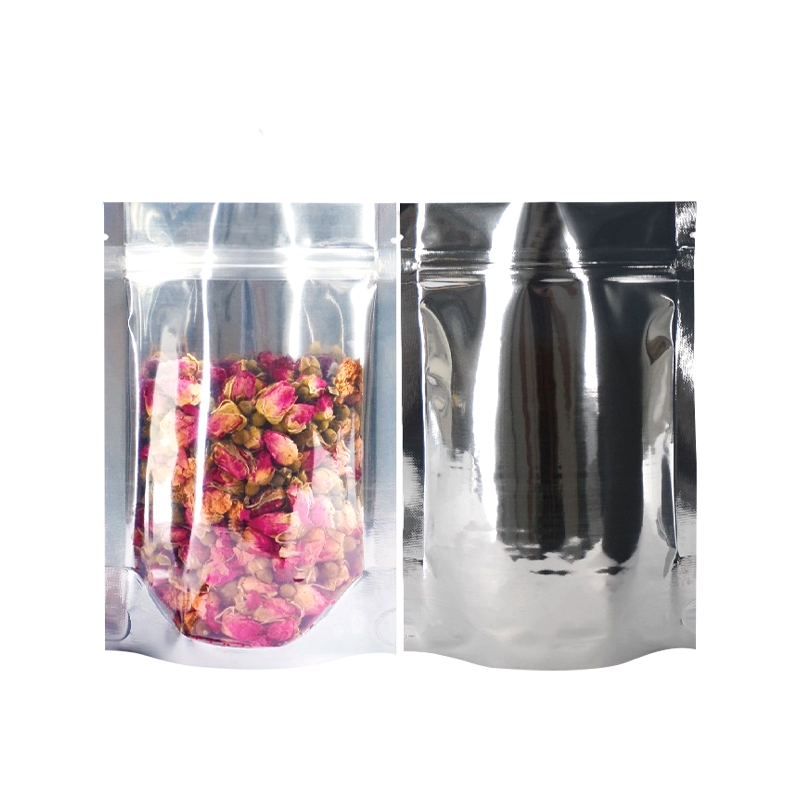
Loose-leaf tea and herbal blends require both protection and presentation. Transparent windows let consumers preview the contents, while metallized films prevent light and moisture damage. Resealable zippers make it easy to store tea over extended periods.
3. Pet Food and Treats
The pet industry has embraced stand up zipper bags for dry kibble, biscuits, and chewy treats. The resealable closure ensures freshness, while the upright design makes storage and use convenient for pet owners. Larger bags with reinforced zippers and handles are especially popular for bulk packaging.
4. Cosmetics and Personal Care
Face masks, bath salts, hair treatments, and powders often come in stand up zipper bags. The packaging protects against contamination while providing a hygienic resealable feature. Matte finishes or metallic coatings can add a premium look suitable for the beauty market.
5. Pharmaceuticals and Nutraceuticals
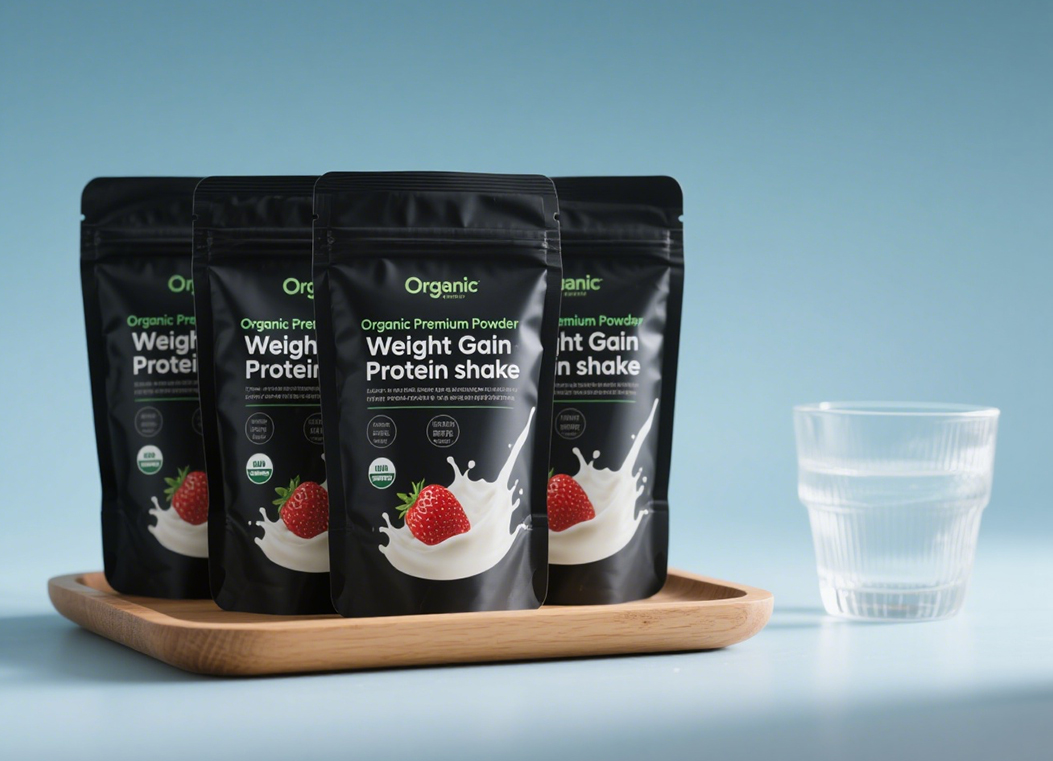
Vitamin supplements, protein powders, and herbal remedies require packaging that maintains potency. Stand up zipper bags with high-barrier films meet these requirements while being more convenient than rigid containers.
6. Industrial and Household Items
Beyond food and beauty, zipper bags are also used for detergents, fertilizers, seeds, and even small hardware like screws or bolts. Their strong barrier and resealability make them suitable for both everyday household use and heavy-duty applications.
Overall, the adaptability of stand up zipper bags makes them a universal solution. Their cross-industry presence demonstrates the reliability of this packaging format.
IV. Specifications and Design Options
When choosing stand up zipper bags, manufacturers must carefully evaluate size, material, barrier properties, and design features to meet product-specific needs.
1. Sizes and Capacities
Stand up zipper bags are available in a wide range of capacities, from 30g sample packs to 10kg bulk bags. Small sachets are common for spices, tea, and single-serve snacks, while medium sizes suit coffee beans or pet treats. Bulk options are designed with reinforced bottoms and stronger zippers to handle heavier loads.
2. Material Choices
PET/PE Laminate: Good for general food packaging.
PET/AL/PE Laminate: Incorporates aluminum for maximum barrier.
Kraft Paper Laminate: Combines natural appearance with barrier functionality.
Biodegradable Films (PLA, PHA): Ideal for eco-friendly markets.
Each material offers different oxygen and moisture barrier levels. Selection depends on the product’s sensitivity and shelf-life requirements.
3. Printing and Branding
The entire pouch surface can be used for custom printing, allowing for vibrant graphics and brand messaging. Options include glossy or matte finishes, spot varnishes, metallic foils, and transparent windows. Digital printing also enables small-batch customization for seasonal or promotional editions.
4. Closure Systems
The standard resealable zipper is widely used, but variations exist:
Single Zipper: Suitable for everyday products.
Double Zipper: Offers stronger resealability, often used for premium or bulk products.
Child-Resistant Zippers: Used for pharmaceuticals or cannabis packaging.
Tear Notches & Easy-Open Features: Enhance convenience and consumer satisfaction.
5. Special Features
Stand up zipper bags can also include spouts, handles, euro slots for hanging, and rounded corners for safety. All these features enhance usability and visual appeal.
Through customization, brands can create packaging that is not only functional but also a strong extension of their marketing strategy.
V. Market Trends and Environmental Directions
The packaging industry is constantly evolving, and stand up zipper bags are at the forefront of several transformative trends.
1. Eco-Friendly Materials
Consumers and regulators alike are pushing for sustainable packaging. This has led to the rise of recyclable mono-material pouches, compostable PLA-based films, and paper-based laminates. Brands are adopting eco-friendly options to align with sustainability commitments and to appeal to environmentally conscious consumers.
2. Digital Printing for Customization
With the growth of e-commerce and small-batch production, digital printing enables quick turnaround times and cost-effective customization. This allows brands to experiment with seasonal designs, limited editions, or even personalized packaging with consumer names or messages.
3. Premiumization and Differentiation
The pouch is no longer just a container—it is a branding tool. Matte varnishes, metallic highlights, and holographic finishes are increasingly used to create premium shelf presence. Transparent windows that show the product inside remain popular, balancing authenticity with appeal.
4. Smart Packaging Integration
QR codes, NFC tags, and augmented reality features are being added to packaging, allowing consumers to scan for product details, authenticity checks, or promotional campaigns. Stand up zipper bags, with their large surface area, provide ample space for such features.
5. Global Demand Expansion
As developing markets adopt modern retail systems, demand for flexible packaging is surging. The convenience and affordability of stand up zipper bags make them especially popular in Asia, Latin America, and Africa, where middle-class consumption is rising.
6. Circular Economy Initiatives
Many governments and industries are working toward closed-loop recycling systems. Packaging manufacturers are innovating with mono-material designs that can be easily sorted and recycled.
Together, these trends highlight how stand up zipper bags are evolving beyond simple functionality to become a driver of sustainability, branding, and consumer engagement.
VI. Purchasing and Customization Guidelines
For businesses considering stand up zipper bags, careful planning is essential. Below are key guidelines:
1. Choose the Right Supplier
Work with suppliers who offer high-quality laminates, strong sealing technology, and reliable printing capabilities. Experienced suppliers also provide testing to ensure packaging performance under real-world conditions.
2. Match Specifications to Product Needs
Perishable food requires high oxygen and moisture barriers, while dry snacks may need only medium barriers. Heavy products like pet food or detergents require reinforced zippers and thicker films. Choosing the wrong specification could lead to product spoilage or consumer dissatisfaction.
3. Consider Brand Positioning
Packaging is the first touchpoint with the consumer. Premium brands may prefer matte finishes, metallic foils, or minimalist designs, while budget-friendly products may emphasize clear windows and bold graphics.
4. Balance Cost and Value
While premium finishes add value, they also increase cost. Companies must strike the right balance between branding impact and budget constraints.
5. Plan for Customization
Stand up zipper bags support a wide range of design options. Consider adding resealable zippers, euro slots for retail display, spouts for liquids, or special finishes for seasonal campaigns.
6. Compliance and Safety
For food, pharmaceuticals, and cosmetics, ensure the packaging meets regulatory standards for safety, labeling, and barrier performance.
7. Order Quantities and Lead Times
Digital printing makes small runs affordable, while traditional rotogravure printing is cost-effective for large orders. Plan order volumes and lead times accordingly to avoid supply chain disruptions.
By following these guidelines, businesses can ensure they choose packaging that not only protects their products but also enhances brand presence and consumer satisfaction.
VII. Conclusion
Stand up zipper bags represent a revolution in modern packaging. Their unique combination of functionality, cost efficiency, branding potential, and sustainability makes them one of the most versatile solutions available today. From coffee beans to cosmetics, from pet treats to pharmaceuticals, these bags provide reliable protection and unmatched convenience.
As market trends continue to favor eco-friendly materials, customization, and premium branding, stand up zipper bags are well-positioned to remain the preferred choice for businesses and consumers alike. Whether a company is a startup launching its first product or an established brand expanding globally, adopting this packaging format can significantly improve competitiveness and consumer appeal.
Ultimately, the stand up zipper bag is more than just a container—it is a powerful marketing tool, a sustainability driver, and a practical everyday solution for modern living.




