 English
 Español
 عربى
عربىContent
Introduction to Vacuum Seal Bags
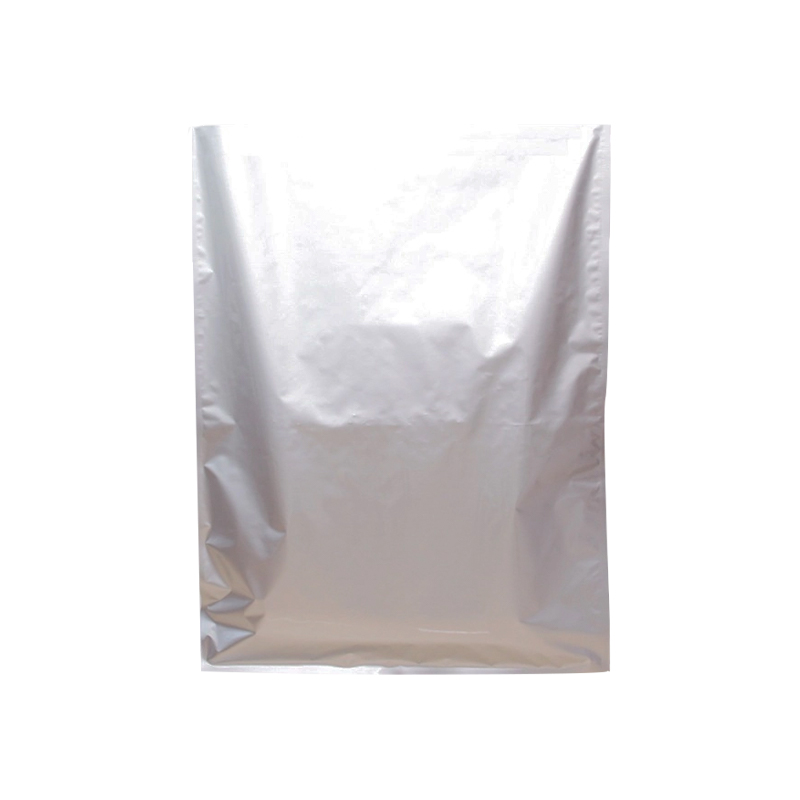
Vacuum seal bags are specialized storage solutions designed to remove air and create a tight seal around food or other items, significantly extending shelf life. They are widely used in both home kitchens and commercial food storage environments due to their ability to prevent oxidation, moisture loss, and bacterial growth. Understanding whether these bags are suitable for freezing or room temperature storage is essential to optimize their benefits and ensure food safety.
The suitability of vacuum seal bags for different storage conditions depends on their material, thickness, and temperature tolerance. Modern vacuum bags are typically made from multilayer polyethylene or nylon films that provide durability and flexibility, preventing tears or leaks under various environmental conditions.
Materials and Construction
Vacuum seal bags are commonly constructed from a combination of polyethylene (PE) and nylon (PA). Nylon provides strength and puncture resistance, while polyethylene offers flexibility and a tight seal. The combination ensures that the bags can withstand both low temperatures in freezers and moderate temperatures at room level without compromising their integrity.
Some vacuum seal bags also include barrier layers to protect against moisture, oxygen, and odors. These layers are especially important for freezing, where ice crystals and freezer burn can degrade food quality if air or moisture penetrates the bag.
Using Vacuum Seal Bags for Freezing
Vacuum seal bags are highly effective for freezing food because they eliminate air pockets that can cause freezer burn. By tightly sealing food items, these bags maintain moisture and flavor over extended periods. Suitable foods include meat, fish, vegetables, fruits, and pre-prepared meals.
When freezing, it is important to leave a small headspace in the bag to accommodate expansion during the freezing process. Additionally, labeling the bag with the date and contents helps manage inventory and reduces the likelihood of long-term storage that may compromise quality.
Tips for Freezer Storage
- Use thick, puncture-resistant vacuum bags to prevent cracks and tears from ice
- Remove as much air as possible to prevent oxidation and freezer burn
- Separate portions for convenience and quicker thawing
Room Temperature Storage Considerations
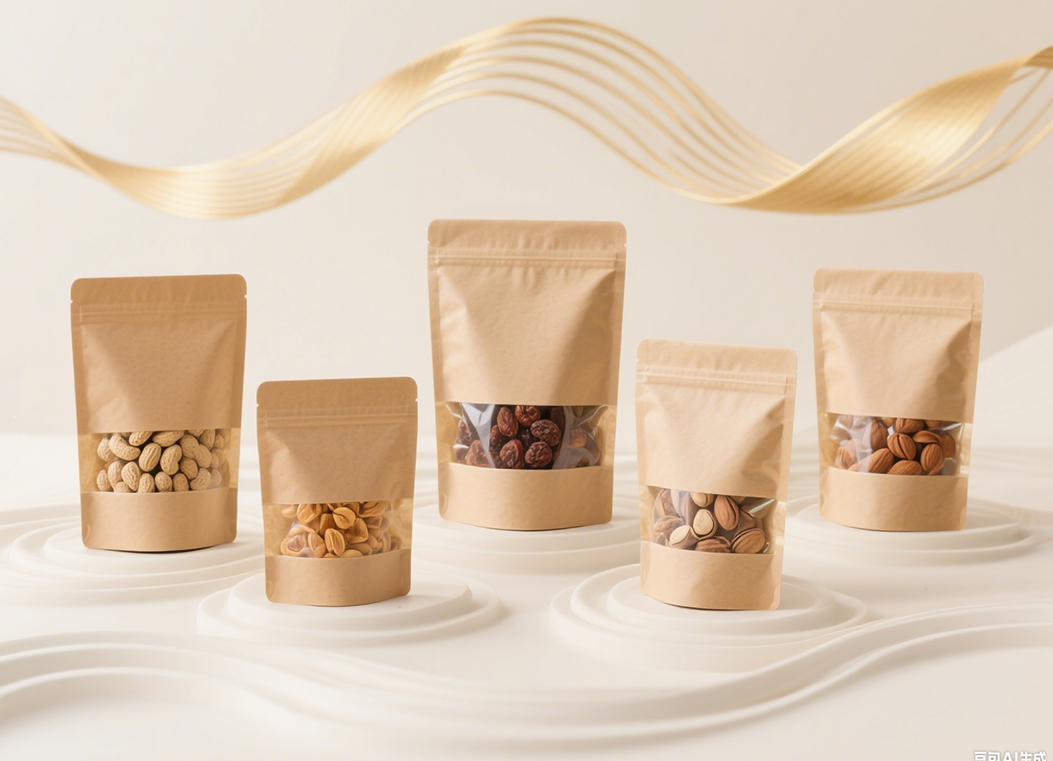
Vacuum seal bags can also be used for room temperature storage, but their effectiveness depends on the type of food and storage environment. Dry, non-perishable items such as nuts, grains, and coffee beans benefit from vacuum sealing as it slows oxidation and protects against moisture and insects.
For perishable items, room temperature storage is limited by bacterial growth and spoilage risk. Even with a vacuum seal, foods like meat, dairy, and fresh produce should not be stored at room temperature for extended periods. Proper refrigeration or freezing is recommended for these items to ensure safety and quality.
Comparison of Freezer vs Room Temperature Storage
| Storage Type | Suitable Foods | Advantages | Limitations |
| Freezer | Meat, fish, vegetables, fruits, pre-cooked meals | Prevents freezer burn, extends shelf life, maintains flavor | Requires sufficient freezer space and careful bag handling |
| Room Temperature | Dry goods, coffee, nuts, spices | Protects from oxidation, moisture, and insects | Limited to non-perishable foods, risk of spoilage for perishable items |
Safety and Best Practices
Vacuum seal bags should always be used according to manufacturer recommendations. Not all bags are suitable for high-temperature cooking methods such as boiling or sous-vide unless specified. Avoid overfilling bags, as this can prevent proper sealing and reduce vacuum efficiency.
It is also important to check for punctures or damage before use. Using undamaged bags ensures a reliable seal, prevents leakage, and maintains food safety. Proper storage of vacuum-sealed items, whether frozen or at room temperature, is essential to maximize the benefits of vacuum sealing.
Conclusion
Vacuum seal bags are versatile and effective for both freezing and room temperature storage, but their suitability depends on the type of food and storage conditions. They excel in freezing perishable items by preventing freezer burn and preserving flavor, while at room temperature they are ideal for dry, non-perishable goods to prevent oxidation and moisture damage.
Understanding the proper usage, material properties, and limitations of vacuum seal bags ensures optimal food preservation, enhanced safety, and reduced waste, making them an essential tool in modern kitchens and food storage systems.