
 English
 Español
 عربى
عربىIn modern households and businesses, one of the most common challenges is how to preserve food so it lasts longer without losing freshness, flavor, or nutritional value. This is where sealing pouches—sometimes called resealable pouches, vacuum-sealed bags, or zipper-lock bags—play a major role. But do these pouches actually keep food fresh for a long time, or is it just a convenient packaging trend? Let’s explore this in detail.
How Sealing Pouches Work
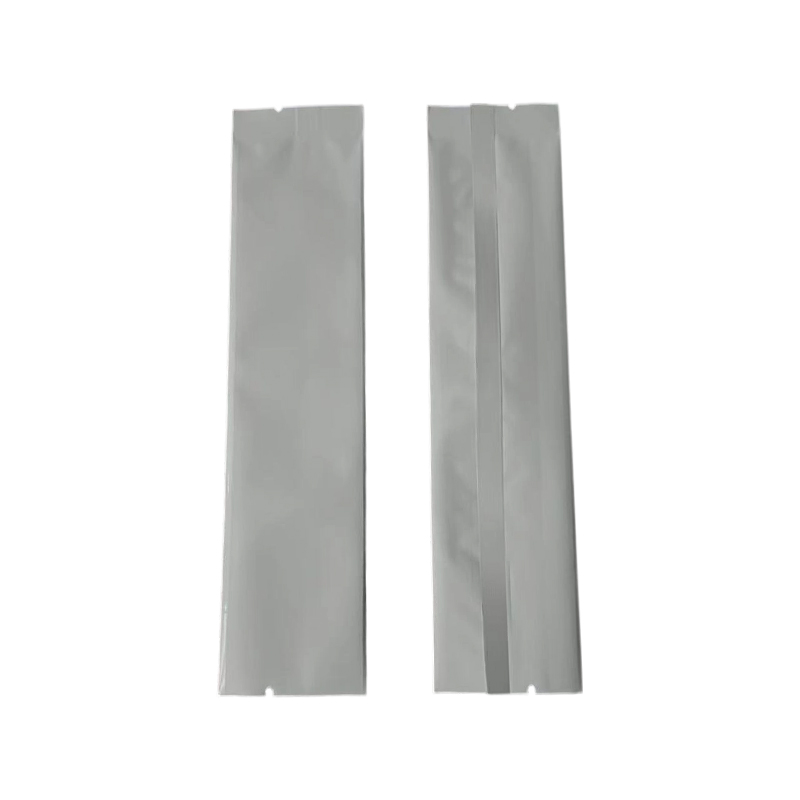
Sealing pouches are designed to create a barrier between food and the external environment. Ordinary storage methods, like leaving food in open containers or wrapping it loosely in plastic film, allow air, moisture, and bacteria to interact with the food. This speeds up spoilage. A sealing pouch, however, is typically made of multilayer materials such as polyethylene, nylon, or aluminum-coated films. These layers prevent air, water vapor, and even light from penetrating easily, which helps extend shelf life.
When air is removed from the pouch—either through a manual zipper closure or a vacuum sealing machine—the oxygen level around the food decreases dramatically. Since oxygen accelerates oxidation and microbial growth, reducing its presence keeps the food fresher for a longer period.
The Science of Freshness
Freshness is mainly determined by three factors: microbial activity, oxidation, and moisture loss.
Microbial activity: Bacteria and mold thrive in warm, oxygen-rich environments. Sealing pouches slow their growth by limiting exposure to air.
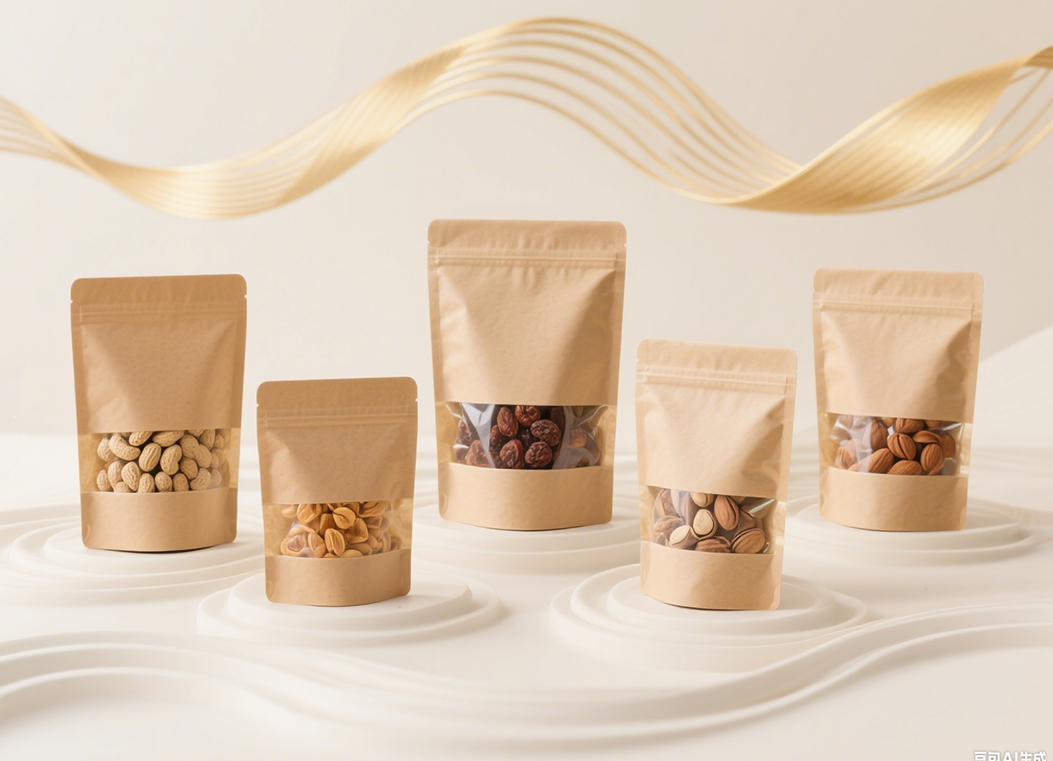
Oxidation: Foods such as nuts, coffee, and dried fruits lose flavor and nutritional value when exposed to oxygen. Pouches reduce oxidation significantly.
Moisture control: Foods dry out when moisture escapes. A sealed environment helps lock in natural moisture, preventing texture changes.
For example, vegetables stored in vacuum-sealed pouches may last up to two weeks in the refrigerator, compared to just a few days in regular plastic containers. Meat sealed in pouches and frozen can stay safe and flavorful for months without freezer burn.
Benefits of Using Sealing Pouches
Extended Shelf Life: Studies show vacuum-sealed meat can last 3–5 times longer than meat stored in regular bags.
Flavor Retention: Coffee beans or ground coffee stay aromatic for weeks longer in sealed pouches.
Space Saving: The flat, compact design helps optimize freezer or pantry storage.
Versatility: Sealing pouches can store dry goods, liquids, cooked meals, or raw ingredients.
Limitations You Should Know
Despite their advantages, sealing pouches are not magical solutions. There are still some factors to consider:
Temperature Control Matters: Even if sealed, food stored at the wrong temperature will spoil. For example, vacuum-sealed chicken must still be refrigerated or frozen.
Not All Foods Benefit: Some vegetables, like mushrooms and soft berries, may deteriorate faster in vacuum-sealed environments because they need airflow.
Plastic Waste Concerns: Many sealing pouches are not biodegradable. Eco-conscious users may prefer reusable silicone pouches or recyclable materials.
Limited Protection Against Enzymes: Sealing pouches slow microbial activity, but natural enzymatic changes in food still occur over time.
Practical Applications in Daily Life
Many households use sealing pouches for weekly meal prep. Cooked rice, marinated meats, or chopped vegetables can be stored in portion-sized bags and kept fresh for days. Travelers also use sealing pouches to pack snacks, toiletries, or liquids securely. In industries, from coffee roasters to frozen seafood suppliers, sealing pouches are essential for maintaining product quality during transport and storage.
For example, a family might buy bulk chicken from the supermarket, divide it into meal portions, and vacuum seal each one. Stored in the freezer, these pouches can last for months without freezer burn, ensuring the family saves both money and food.
Final Verdict: Do They Really Work?
Yes, sealing pouches do help keep food fresh for a long time—significantly longer than conventional storage methods. However, their effectiveness depends on how they are used. Proper sealing, correct storage temperature, and choosing the right type of pouch for specific foods are key to maximizing freshness.
In other words, sealing pouches are not a magic bullet, but when combined with good food storage practices, they are one of the most effective ways to extend shelf life, reduce waste, and preserve flavor.




