
 English
 Español
 عربى
عربىContent
- 1 Why Stand-Up Pouch Style Matters More Than Ever in 2025
- 2 The Doyen (Doypack): The Universal Starter
- 3 K-Seal Pouches: Stability Without the Premium Price
- 4 Plow Bottom (Corner Bottom) Pouches: Built for Heavy Loads
- 5 Flat Bottom (Box Bottom) Pouches: The Premium Shelf Statement
- 6 Choosing Your Style: A Weight, Product, and Budget Framework
- 7 Add-On Features That Work Across All Styles
- 8 Sustainable Stand-Up Pouch Styles for 2025 and Beyond
Why Stand-Up Pouch Style Matters More Than Ever in 2025
The global stand-up pouch market hit approximately $35.6 billion in 2025 and is on track to nearly double by 2035. That growth is not happening because brands are packaging the same products in the same bags. It is happening because businesses are getting more deliberate about which pouch style they choose—and how that choice affects shelf performance, fill efficiency, and logistics cost.
Pick the wrong style and your pouch tips over at retail, struggles under product weight, or wastes printable surface that could have been working as a branding asset. Pick the right one and the pouch becomes a self-standing display unit that protects contents, resists damage in transit, and catches a shopper's eye in under three seconds.
Four bottom-construction styles dominate the market today: Doyen, K-Seal, Plow Bottom, and Flat Bottom. Each solves a different set of packaging problems. Here is how they break down.
The Doyen (Doypack): The Universal Starter
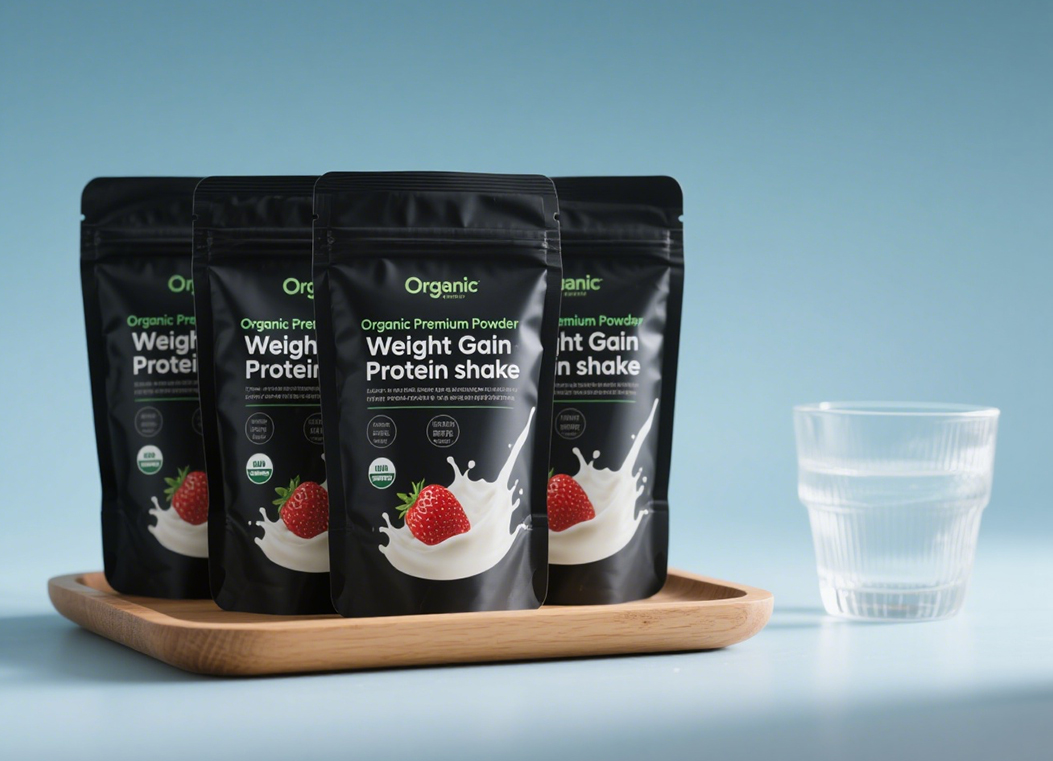
The Doyen style—often called a Doypack after its French patent origins—is the most widely used stand-up pouch in the world. Its defining feature is a U-shaped bottom gusset that is sealed to the front and back panels, creating two small "feet" that prop the pouch upright once filled.
This construction works best for products weighing up to roughly one pound (about 0.45 kg). Below that threshold, the bottom seal holds firm under the product's weight and the pouch stands cleanly on shelf. Push significantly beyond it, and the seal can buckle inward, leaving the pouch looking collapsed or lopsided—exactly the kind of shelf presence a brand does not want.
One practical trade-off: the Doyen style requires a custom-made die during manufacturing, which adds to the initial tooling cost. That said, the design allows product to pack tightly near the base, often letting brands use a shorter overall pouch height for the same fill volume—which can reduce material spend per unit over time.
Common applications include snacks, spices, dried fruits, loose-leaf tea, candy, and single-serve coffee sachets. If you are launching a new consumer product and weight is on the lighter side, this is typically where the conversation starts.
K-Seal Pouches: Stability Without the Premium Price
The K-Seal takes its name from the angled seals at the bottom corners, which form a shape resembling the letter "K" when the pouch is laid flat. When filled, those corner seals spread outward and create a stable, roughly square base—sturdier than a Doyen for mid-range product weights.
The sweet spot for K-Seal is generally between one and five pounds (roughly 0.45 to 2.3 kg), though many brands use it successfully outside that range depending on product density. One particularly practical advantage is cost: K-Seal pouches typically do not require a custom-fabricated die, which lowers tooling investment compared to Doyen and makes them attractive for brands managing tighter launch budgets or higher SKU counts.
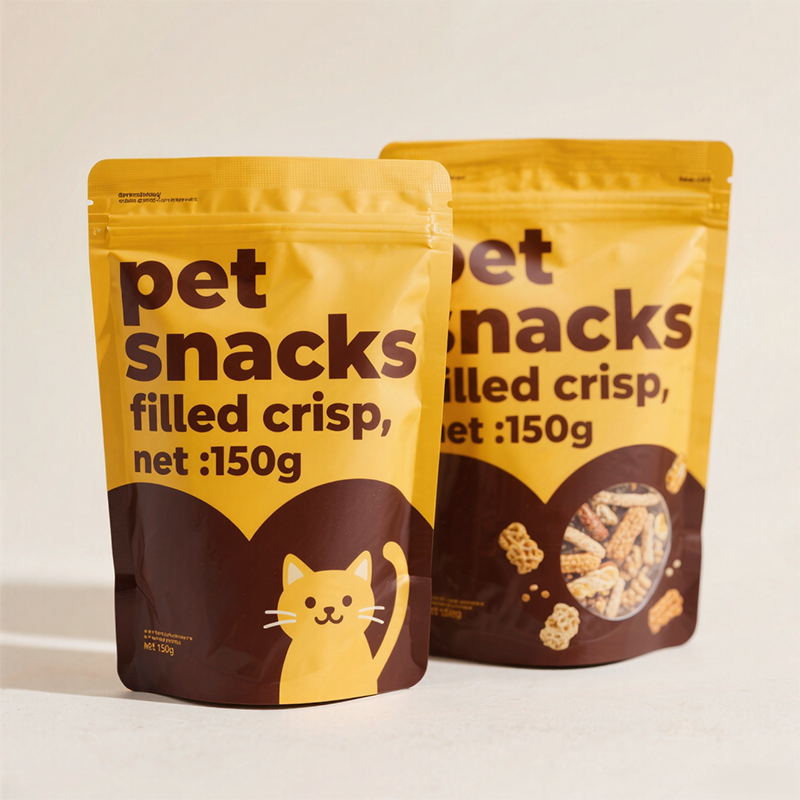
The base is not as perfectly flat as a Flat Bottom pouch, but it is more than adequate for standard retail shelving and e-commerce fulfillment. K-Seal pouches are commonly found packaging coffee beans, pet treats, protein powders, granola, and tea blends—categories where a confident shelf presence matters but an ultra-premium look is not the primary driver.
Plow Bottom (Corner Bottom) Pouches: Built for Heavy Loads
Once product weight climbs above five pounds (around 2.3 kg), neither the Doyen nor the K-Seal is the right tool. The Plow Bottom—also called the Corner Bottom or triangular bottom pouch—is designed specifically for this territory.
The key structural difference is the absence of a bottom seal. Instead of relying on welded "feet" to hold the pouch upright, the Plow Bottom uses folded corner gussets and side seals to contain the product. The product itself, by virtue of its weight, becomes the stabilizing force. There is nothing at the base to crumple under pressure because there is no base seal to crumple.
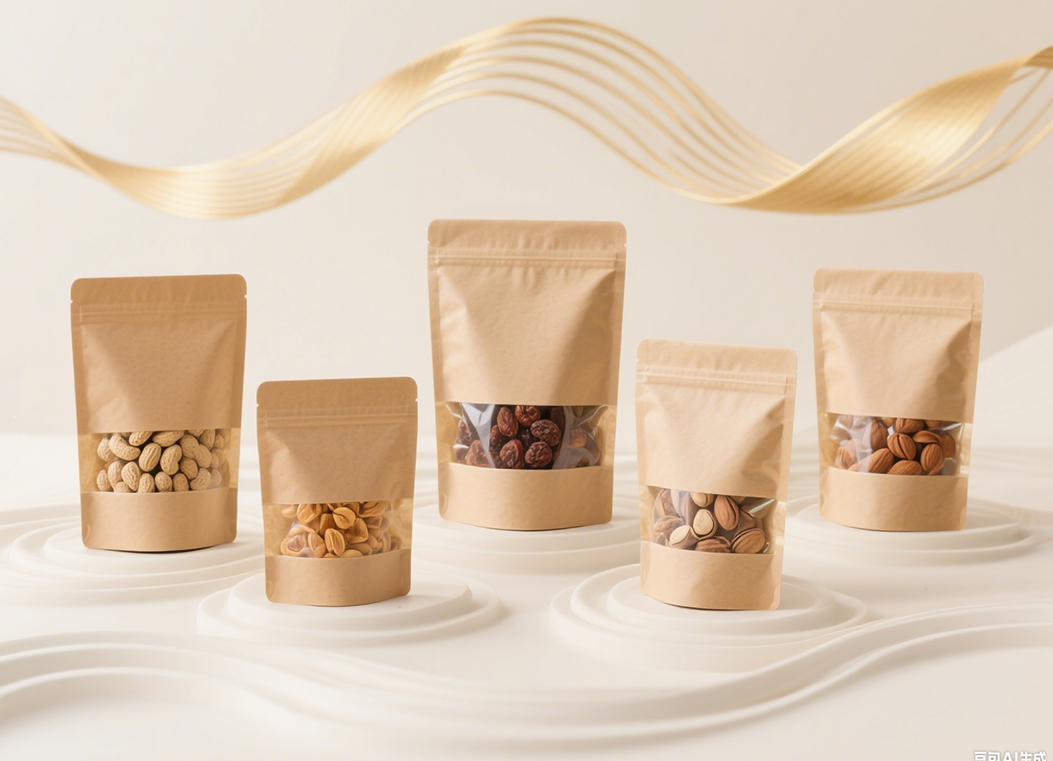
Fill capacity is a major advantage. Without a bottom seal eating into usable interior space, the pouch can hold product all the way to the bottom panel, maximizing volume for a given set of dimensions. This makes Plow Bottom pouches a logical choice for rice, flour, beans, nuts, seeds, pet food, and protein supplements sold in bulk sizes.
It is worth noting that the weight thresholds used across the industry are guidelines, not rules. A bag of cranberries weighing just 8 ounces (227g) happily occupies a corner bottom pouch in many retail settings. If a brand wants the clean, no-seal look at the bottom regardless of weight, Plow Bottom is a valid option.
Flat Bottom (Box Bottom) Pouches: The Premium Shelf Statement
Flat Bottom pouches—sometimes called box pouches or quad-seal bags—are the newest of the four mainstream styles and the one growing fastest in premium consumer categories. The construction combines a fully squared base with vertical side gussets, giving the pouch a box-like silhouette that stands upright with exceptional stability.
The structural payoff is a 360-degree printable surface. Where a Doyen or K-Seal pouch has a front and back panel, a Flat Bottom pouch also has two distinct side gusset panels and a visible base—five surfaces that can carry branding, nutritional information, origin stories, or QR codes. For brands competing in premium segments, that additional real estate is a genuine differentiator at shelf.
Flat Bottom pouches handle a wide weight range, performing well from medium-weight products through to denser fills. They are the format of choice for specialty coffee, premium pet food, protein powders, dry mixes, and artisanal snacks—product categories where packaging is expected to communicate quality before the consumer reads a single word.
The trade-off is cost. Flat Bottom pouches are generally the most expensive of the four styles to produce, reflecting the additional material and more complex converting process. For brands where packaging is a core marketing investment rather than a commodity expense, that premium is typically justified by higher perceived product value on shelf.
Choosing Your Style: A Weight, Product, and Budget Framework
No single style is universally correct. The right choice sits at the intersection of three variables: product weight, desired shelf presence, and available budget for tooling and per-unit cost. The table below provides a working framework.
| Style | Ideal Weight Range | Base Construction | Shelf Presence | Relative Cost | Common Applications |
|---|---|---|---|---|---|
| Doyen (Doypack) | Up to ~1 lb (0.45 kg) | U-shaped seal | Good | Mid (custom die required) | Snacks, spices, tea, candy |
| K-Seal | 1–5 lbs (0.45–2.3 kg) | Angled "K" corner seals | Good–Very Good | Lower (no custom die) | Coffee, pet treats, protein powder |
| Plow Bottom | 5 lbs+ (2.3 kg+) | Folded corners, no base seal | Very Good | Mid | Rice, flour, beans, bulk pet food |
| Flat Bottom | Medium to heavy | Squared base + side gussets | Premium | Higher | Specialty coffee, premium snacks, dry mixes |
If you are early in the product development process and budget flexibility is limited, the K-Seal is typically the lowest-risk starting point for mid-weight products—it requires no custom tooling and performs reliably across a wide range of categories. If launch packaging needs to make a strong first impression and the product margin supports a higher per-unit spend, Flat Bottom is worth the investment.
Add-On Features That Work Across All Styles
The bottom construction style determines how a pouch stands. What happens above that base is largely a separate set of decisions—and one where all four styles offer similar flexibility.
- Resealable zippers (press-to-close or slider): The most common add-on, particularly for food products where consumers use the contents over multiple sittings. Zipper closures dominate the market, accounting for roughly 46% of stand-up pouch closures in 2025.
- Spout fitments: Ideal for liquids, sauces, and viscous products. Spout pouches are the fastest-growing closure segment, with brands increasingly using them for beverages, condiments, and baby food.
- Degassing valves: A necessity for freshly roasted coffee, where CO₂ off-gassing from the beans would otherwise inflate and burst a sealed pouch. The valve lets gas escape without allowing oxygen in.
- Hang holes: A simple punch at the top of the pouch that allows it to hang on peg hooks in retail environments—effectively doubling display options without changing the core package structure.
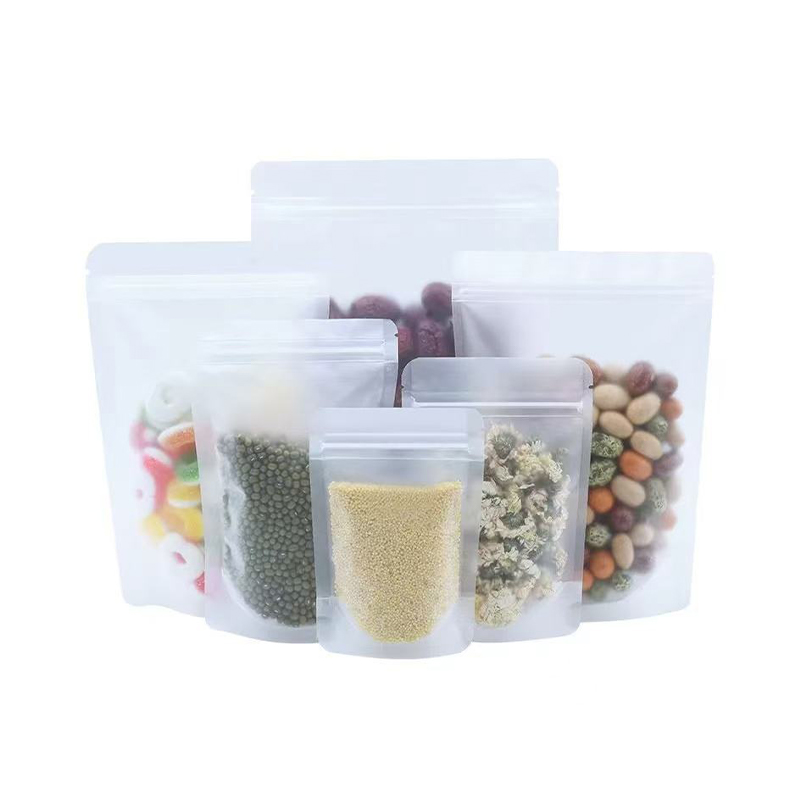
- Clear windows: Die-cut or full-panel transparent areas that let consumers see the product before purchase, which research consistently links to higher purchase confidence for food and specialty goods.
- Tear notches: Small cuts at the top seal that make opening easier and more controlled, particularly important for products consumed directly from the package.
Most manufacturers can incorporate any of these features into any of the four base styles. The decision on which to include should be driven by how the consumer is expected to use the product—frequency of opening, serving size, storage conditions, and retail display environment all factor in.
Sustainable Stand-Up Pouch Styles for 2025 and Beyond
Sustainability has moved from a marketing talking point to a regulatory requirement. The European Union's Packaging and Packaging Waste Regulation (in effect from 2025) and a growing body of U.S. extended-producer-responsibility legislation are pushing brands toward mono-material constructions—pouches built from a single polymer type that can be processed through existing recycling streams, rather than the multi-layer laminates that have historically been difficult to separate and recycle.
Mono-polyethylene and mono-polypropylene pouches are now available in formats compatible with all four bottom styles, though performance trade-offs in barrier properties and seal strength mean they are not yet a direct drop-in for every application. Brands in the coffee, pet food, and snack categories are leading adoption, often in partnership with suppliers who have invested in solventless lamination and machine-direction orientation technologies to close the performance gap.
Post-consumer recycled (PCR) content is another active development area. Several major converters launched stand-up pouches incorporating 30–50% PCR material in 2023 and 2024, with food-contact approval covering most standard categories. For brands building sustainability commitments into their packaging roadmaps, specifying a minimum PCR content by weight is increasingly a viable ask rather than a theoretical aspiration.
The practical takeaway is straightforward: when selecting a pouch style in 2025, it is worth asking your supplier not just about the bottom construction, but about the recyclability profile of the laminate structure and whether mono-material or PCR variants are available for your format. The answers will shape not just current packaging decisions, but compliance timelines for the years ahead.




