 English
 Español
 عربى
عربىStand-up zipper bags, also known as resealable or self-standing pouches, have become increasingly popular in kitchens, households, and commercial settings due to their convenience, versatility, and efficient storage design. One common question among consumers is whether these bags are suitable for storing frozen foods. To answer this, we need to consider factors such as material composition, sealing performance, durability, and food safety.
1. Material Composition and Freezer Safety
The suitability of stand-up zipper bags for frozen foods largely depends on the materials used. Most high-quality stand-up zipper bags are made from polyethylene (PE) or polypropylene (PP), sometimes in combination with multiple layers of film for enhanced strength and barrier properties. These plastics are generally safe for freezing because they can withstand low temperatures without cracking or becoming brittle. Some premium stand-up bags are labeled as “freezer-safe,” meaning they are specifically tested to endure temperatures as low as -20°C (-4°F) or lower, ensuring the bag remains flexible and functional even in the freezer.
In contrast, lower-quality or single-layer plastic bags may not perform well at freezing temperatures. Thin plastic can become brittle and prone to tearing when frozen, leading to leakage or freezer burn. Therefore, checking the product specifications and looking for bags labeled freezer-safe is essential for optimal performance.
2. Sealing Mechanism and Protection Against Freezer Burn
One of the key advantages of stand-up zipper bags is their resealable zipper closure, which allows for an airtight seal. Freezer burn occurs when moisture escapes from food or when the food absorbs odors from other items in the freezer. A properly sealed stand-up zipper bag minimizes air exposure, helping to protect the texture, flavor, and quality of frozen foods.
To maximize freezer protection, it is important to press out excess air before sealing the bag. Some consumers use a straw or a vacuum-sealing attachment to remove additional air for even better preservation. Stand-up zipper bags with double-track zippers or reinforced sealing lines provide extra security, ensuring that the bag remains tightly closed even when handled in deep freezers.
3. Size, Shape, and Convenience
Stand-up zipper bags offer a practical shape for freezing because they can stand upright on shelves or in drawers, allowing for organized storage and easy access. Compared to traditional flat freezer bags, the upright design reduces the risk of spillage, optimizes space usage, and allows consumers to stack multiple bags efficiently.
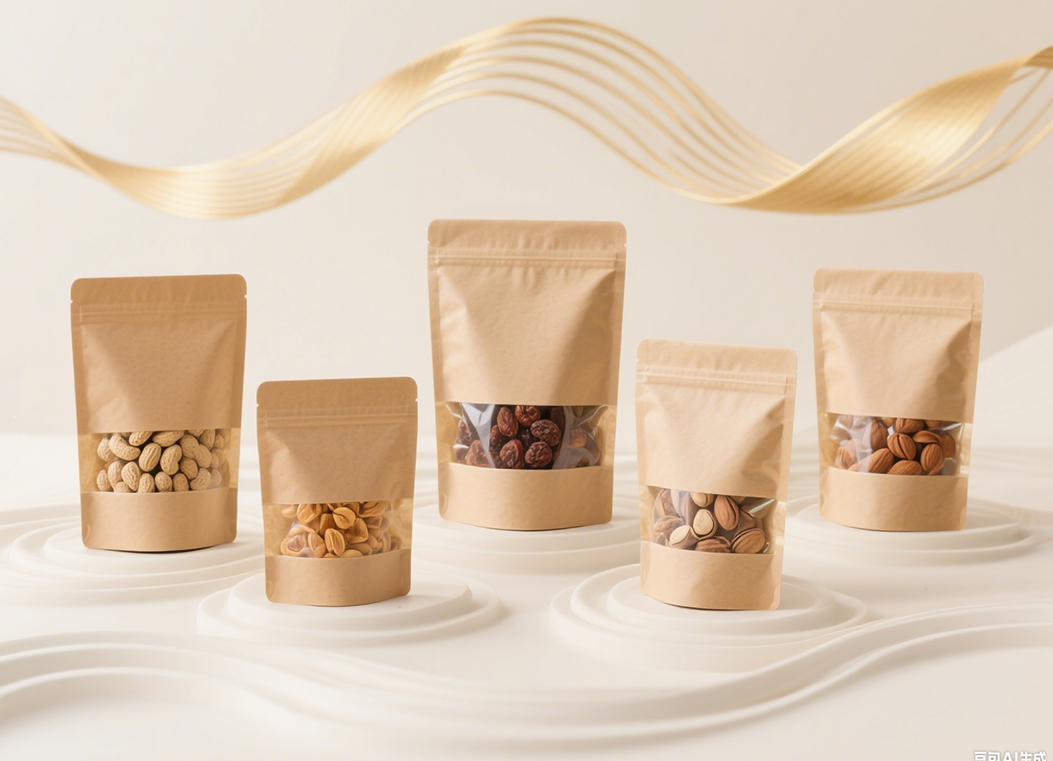
Additionally, the clear design of most bags makes it easy to see the contents at a glance, reducing the need to open multiple containers to find a particular item. This is especially helpful when freezing portioned meals, fruits, vegetables, or pre-cooked ingredients.
4. Versatility and Reusability
Another advantage of using stand-up zipper bags for frozen foods is their versatility. They are not only suitable for freezing but also for refrigerating, storing pantry items, or even transporting food. Many high-quality freezer-safe zipper bags can be washed and reused multiple times, offering an eco-friendlier alternative to single-use freezer wraps or disposable plastic bags. However, repeated freezing and thawing may reduce the bag’s flexibility over time, so it is recommended to inspect the bag for cracks or weakening before reuse.
5. Food Safety Considerations
When storing frozen foods, food safety is paramount. Ensure that the stand-up zipper bag is labeled as food-grade and free from harmful chemicals such as BPA or phthalates. Avoid using bags intended for dry goods or non-food purposes in the freezer, as they may not provide sufficient protection against low temperatures or moisture. Proper labeling of frozen items with date and content can also help manage storage time and prevent food spoilage.
6. Practical Tips for Freezing with Stand-Up Zipper Bags
- Portion control: Divide foods into meal-sized portions before freezing to reduce waste and simplify thawing.
- Remove air: Press out as much air as possible or use a vacuum-sealing method to prevent freezer burn.
- Label clearly: Include the date and type of food on the bag to track freshness.
- Avoid overfilling: Leave some space at the top to allow the food to expand as it freezes.
- Check quality: Use thick, multi-layered freezer-safe bags for heavy or liquid items to avoid leaks.
Conclusion
Stand-up zipper bags can be highly suitable for frozen foods when chosen and used correctly. Freezer-safe materials, strong resealable closures, and upright design make them convenient and effective for preserving a wide range of foods. They protect against freezer burn, save space, and allow for easy organization. However, it is essential to select bags specifically labeled as freezer-safe and follow proper freezing techniques to ensure maximum durability and food safety. When used thoughtfully, stand-up zipper bags are not just convenient—they are a reliable solution for freezing and long-term food storage.