

 English
 Español
 عربى
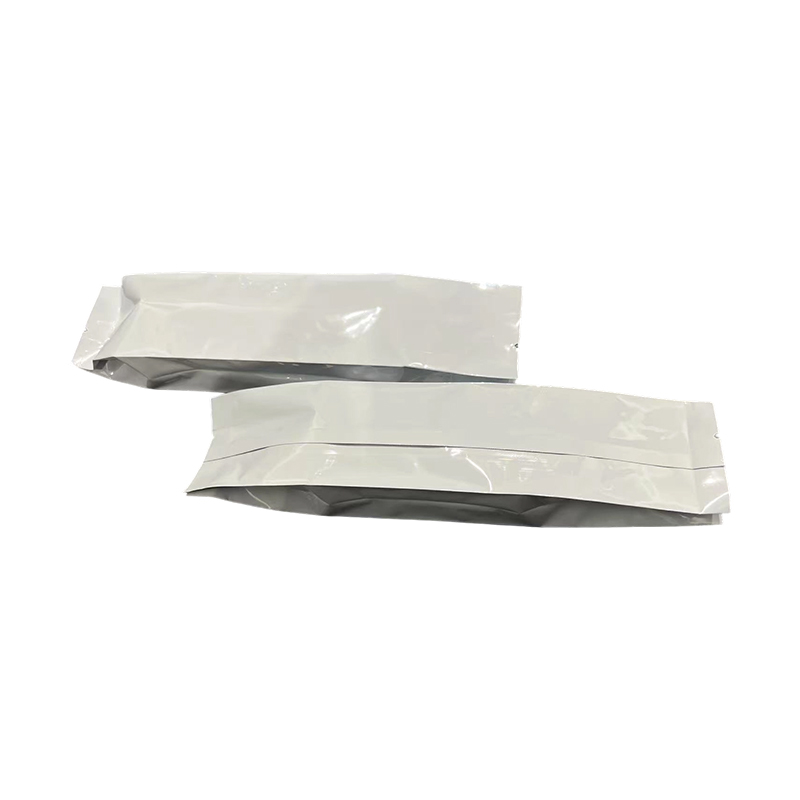
عربىMiddle seal bags, also known as center-seal or gusseted bags, are widely used in food packaging, pharmaceuticals, snacks, and industrial products. Their simple design, durability, and versatility make them a popular choice for many industries. As environmental awareness grows globally, the sustainability and eco-friendliness of packaging solutions have become a major concern for manufacturers and consumers alike. In this context, the environmental impact of middle seal bags is an important consideration.
Content
- 0.1 1. Material Composition and Its Environmental Impact
- 0.2 2. Recyclability of Middle Seal Bags
- 0.3 3. Lightweight Design Reduces Resource Use
- 0.4 4. Reducing Food Waste
- 0.5 5. Energy Efficiency in Production
- 0.6 6. Innovations in Eco-Friendly Middle Seal Bags
- 0.7 7. Consumer Responsibility and Disposal
- 1 Conclusion
1. Material Composition and Its Environmental Impact
Middle seal bags are typically made from polyethylene (PE), polypropylene (PP), or laminated films. The environmental friendliness of these bags largely depends on the materials used:
- Polyethylene and polypropylene are derived from petroleum, which is a non-renewable resource. While these materials are lightweight and durable, they are not inherently biodegradable.
- Laminated films, often used for moisture or barrier protection, combine multiple layers of plastic or plastic with aluminum. These multi-layer materials are difficult to recycle, as separating layers requires specialized facilities.
Choosing monomaterial or recyclable films can significantly improve the sustainability of middle seal bags.
2. Recyclability of Middle Seal Bags
Recycling is a critical factor in determining a bag’s environmental impact. Traditional laminated middle seal bags have limited recyclability, which can contribute to plastic waste accumulation. However, advancements in packaging technology have led to:
- Mono-material middle seal bags, which are easier to recycle because they consist of a single type of plastic.
- Biodegradable or compostable films, made from plant-based materials like PLA (polylactic acid), which can decompose under industrial composting conditions.
By using recyclable or compostable materials, manufacturers can reduce landfill waste and environmental footprint.
3. Lightweight Design Reduces Resource Use
Middle seal bags are generally thin and lightweight, which reduces the amount of raw material required compared to rigid packaging alternatives such as boxes or jars. This lightweight design also lowers transportation energy consumption, as shipping lighter products requires less fuel and reduces greenhouse gas emissions.
Even when using traditional plastics, a lightweight middle seal bag is more environmentally efficient than heavier packaging solutions.
4. Reducing Food Waste
A key environmental benefit of middle seal bags is their ability to protect and preserve products. For example:
- Barrier films prevent moisture, oxygen, and contaminants from affecting food quality.
- Durable seals reduce the risk of leakage or damage during transportation.
By extending the shelf life of products, middle seal bags reduce food waste, which is a major contributor to environmental problems such as greenhouse gas emissions and resource depletion.
5. Energy Efficiency in Production
Manufacturing middle seal bags generally requires less energy than producing rigid containers, jars, or multi-component packaging. Modern extrusion and lamination technologies allow for continuous production lines, reducing energy per unit of packaging produced. Efficient production methods translate into lower carbon footprints and resource consumption.
6. Innovations in Eco-Friendly Middle Seal Bags
As sustainability becomes a priority, many manufacturers are developing eco-friendly middle seal bags. Innovations include:
- Compostable materials that meet industrial standards.
- Recyclable mono-material laminates.
- Incorporating recycled plastics into production to reduce virgin material use.
- Lightweighting techniques to minimize plastic use without compromising strength.
These advances demonstrate the potential for middle seal bags to become more environmentally responsible while maintaining their practical advantages.
7. Consumer Responsibility and Disposal
Even with eco-friendly design, the environmental impact of middle seal bags depends heavily on end-of-life disposal. Consumers and businesses play a key role:
- Proper segregation of recyclable plastics helps ensure materials are recovered.
- Compostable bags must be processed in industrial composting facilities to decompose effectively.
- Awareness campaigns can encourage reduced single-use plastics and proper disposal practices.
Effective recycling and disposal infrastructure is crucial for middle seal bags to be truly sustainable.
Conclusion
Middle seal bags offer a balance of practicality and sustainability potential, but their environmental friendliness depends on material choice, design, production, and disposal practices. While traditional laminated bags have limited recyclability, innovations in mono-material, lightweight, compostable, and recycled-content bags are helping to reduce their environmental impact.
By selecting eco-friendly materials, optimizing production, and encouraging proper recycling and disposal, middle seal bags can contribute to reducing waste, conserving resources, and lowering carbon emissions. As industries and consumers continue to prioritize sustainability, middle seal bags have the potential to evolve into a more environmentally responsible packaging solution without sacrificing performance or durability.