
 English
 Español
 عربى
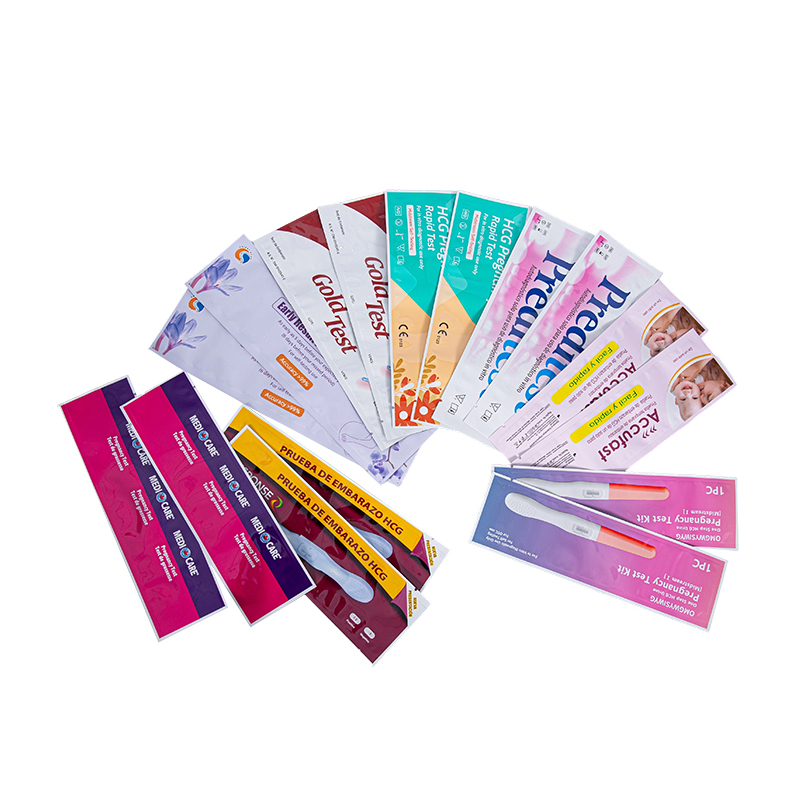
عربىReagent test card pouches play an essential role in ensuring the reliability, safety, and accuracy of diagnostic and chemical testing. These pouches are designed to protect individual reagent test cards from environmental factors such as moisture, dust, light, and contamination before they are used. A common question among laboratory personnel, healthcare providers, and quality control professionals is whether these pouches can be reused. While it may seem cost-effective to reuse a pouch, the answer is nuanced and requires careful consideration of hygiene, material integrity, and regulatory standards.
Content
1. Purpose of Reagent Test Card Pouches
The primary function of a reagent test card pouch is protection and preservation. Test cards contain sensitive chemical reagents or biological components that can degrade when exposed to air, moisture, or light. Pouches are typically made of laminated materials, such as aluminum foil, polyethylene, or PET, which provide a barrier against these environmental factors. Once a test card is removed and used, the pouch has already been exposed to air and potentially contaminants, which compromises its original protective function.
2. Material and Design Considerations
Reagent test card pouches are generally single-use, designed for one-time opening. The sealing method—usually heat-sealed or adhesive-sealed—ensures airtight protection before use. Once opened, the integrity of the pouch is broken, and it cannot maintain the same level of protection for another test card. In some cases, pouches may have a peelable or resealable design; however, even resealable pouches have limitations. After opening, the internal environment may no longer meet the strict moisture, oxygen, and contamination control requirements, which can affect the accuracy and reliability of future tests.
3. Risk of Contamination
Reusing a reagent test card pouch poses a significant risk of contamination. Any microscopic residues, dust, or moisture left inside the pouch after the first use can interact with subsequent test cards. For chemical test cards, even minor contamination can alter reagent reactions, producing false positives or false negatives. For biological test cards, contamination could potentially introduce pathogens, making reuse unsafe in clinical or laboratory environments. Regulatory bodies such as the FDA or ISO standards typically prohibit reuse of consumable diagnostic packaging for this reason.
4. Impact on Test Accuracy
The reliability of a reagent test depends heavily on precise chemical conditions. Reusing a pouch can compromise these conditions due to exposure to ambient humidity, temperature fluctuations, or oxygen. For example, test cards for glucose, pH, or infectious disease detection may have reagents that degrade quickly once removed from their original sealed environment. Using a previously opened pouch could result in inconsistent readings, undermining the credibility of laboratory results and potentially leading to misdiagnosis or improper quality control decisions.
5. Exceptions and Special Cases
While most reagent test card pouches are single-use, certain advanced designs may allow limited reuse in very controlled environments. For instance, some resealable pouches are used in industrial chemical testing where precise environmental control is maintained, and contamination risk is minimal. Even in these cases, manufacturers usually specify maximum storage times and reuse conditions. For typical clinical, laboratory, or field applications, however, reuse is strongly discouraged.
6. Environmental Considerations
A common concern about single-use pouches is environmental impact. While reuse is generally unsafe, manufacturers and laboratories are increasingly focusing on sustainable materials and recycling programs. Some pouches are made from recyclable laminates or biodegradable components, and waste management systems can reduce environmental burden. Proper disposal, rather than reuse, ensures both safety and sustainability.
7. Best Practices
To ensure safety and accuracy, the best practices for handling reagent test card pouches include:
- Use each pouch for one test card only.
- Store unopened pouches according to manufacturer instructions, typically in a cool, dry place.
- Do not attempt to reseal or reuse opened pouches, even if they appear undamaged.
- Dispose of used pouches responsibly, following local hazardous waste or biohazard regulations.
These practices help maintain the integrity of the test, protect personnel, and comply with regulatory standards.
Conclusion
In summary, reagent test card pouches are generally designed for single-use only. Reusing them can compromise the protective barrier, introduce contamination, and reduce the accuracy and reliability of subsequent tests. While environmental concerns about disposable pouches are valid, safety, regulatory compliance, and test reliability take precedence. Laboratories and users are encouraged to focus on proper storage, responsible disposal, and exploring environmentally friendly pouch materials rather than attempting to reuse pouches. Adhering to these guidelines ensures that each test provides consistent, accurate, and safe results.