
 English
 Español
 عربى
عربىContent
Introduction to Flat Bottom Pouches
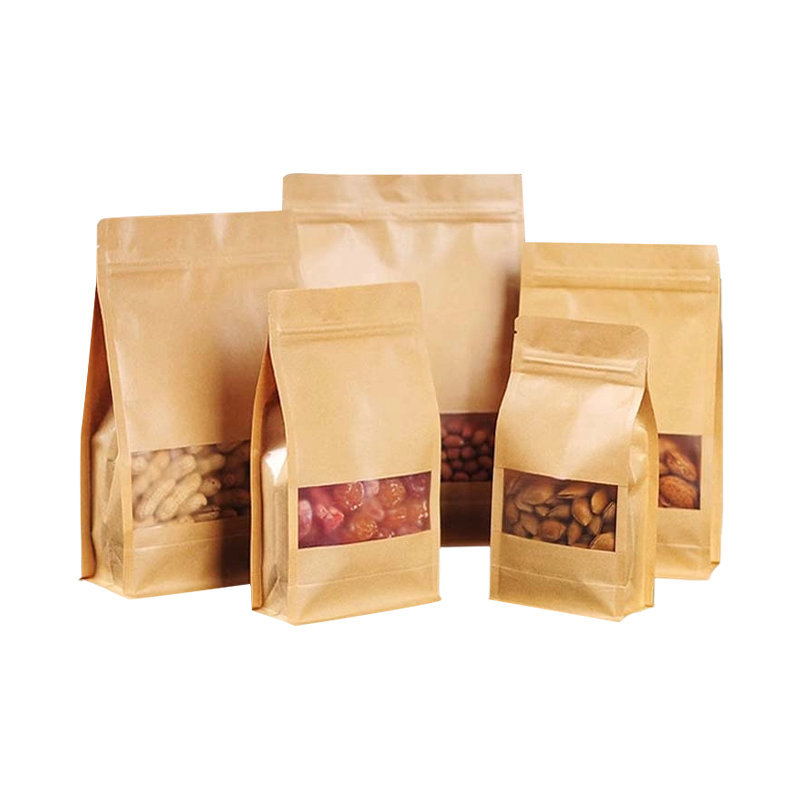
Flat bottom pouches, also known as stand-up pouches, are increasingly popular in the packaging industry due to their versatility, durability, and shelf appeal. Unlike traditional bags, these pouches have a flat, stable base that allows them to stand upright, enhancing visibility and consumer convenience. Commonly used for food, beverages, cosmetics, and household products, flat bottom pouches combine practicality with modern packaging aesthetics. This article provides a detailed overview of their design, production, materials, and applications.
Design Features of Flat Bottom Pouches
1. Shape and Structure
The defining feature of a flat bottom pouch is its ability to stand independently. The bottom gusset provides a stable base, while the sides can expand to accommodate varying product volumes. The design may include additional features such as resealable zippers, tear notches, and spouts for liquid products. These structural elements improve user convenience and product safety.
2. Customization and Branding
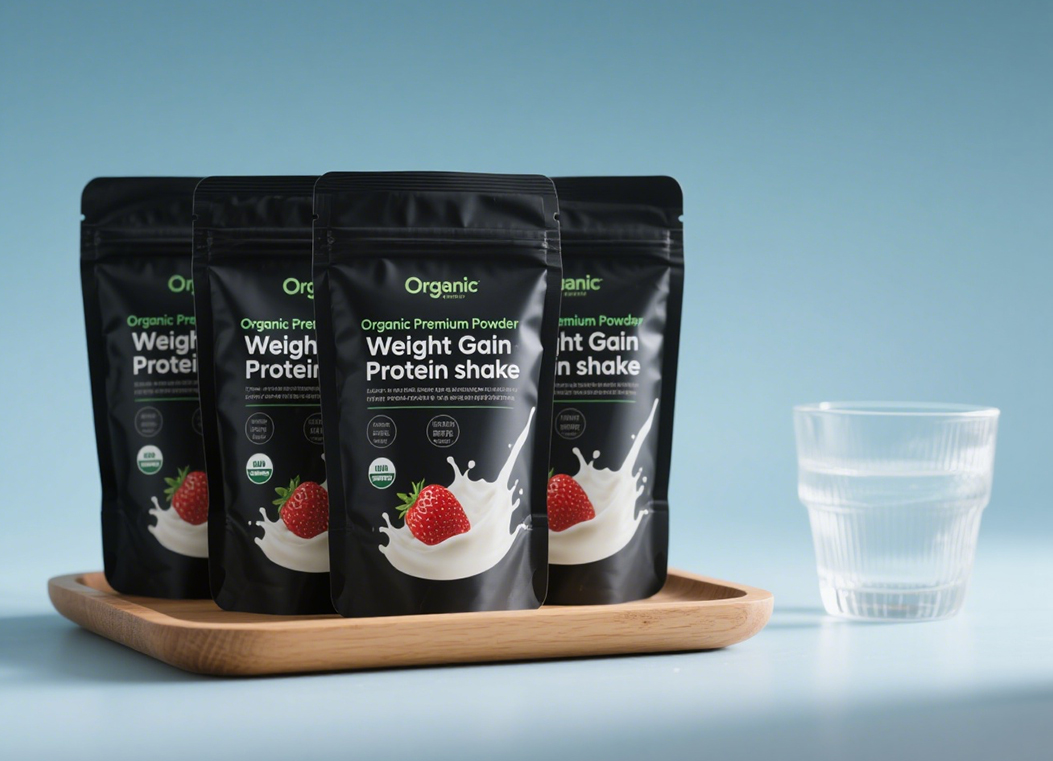
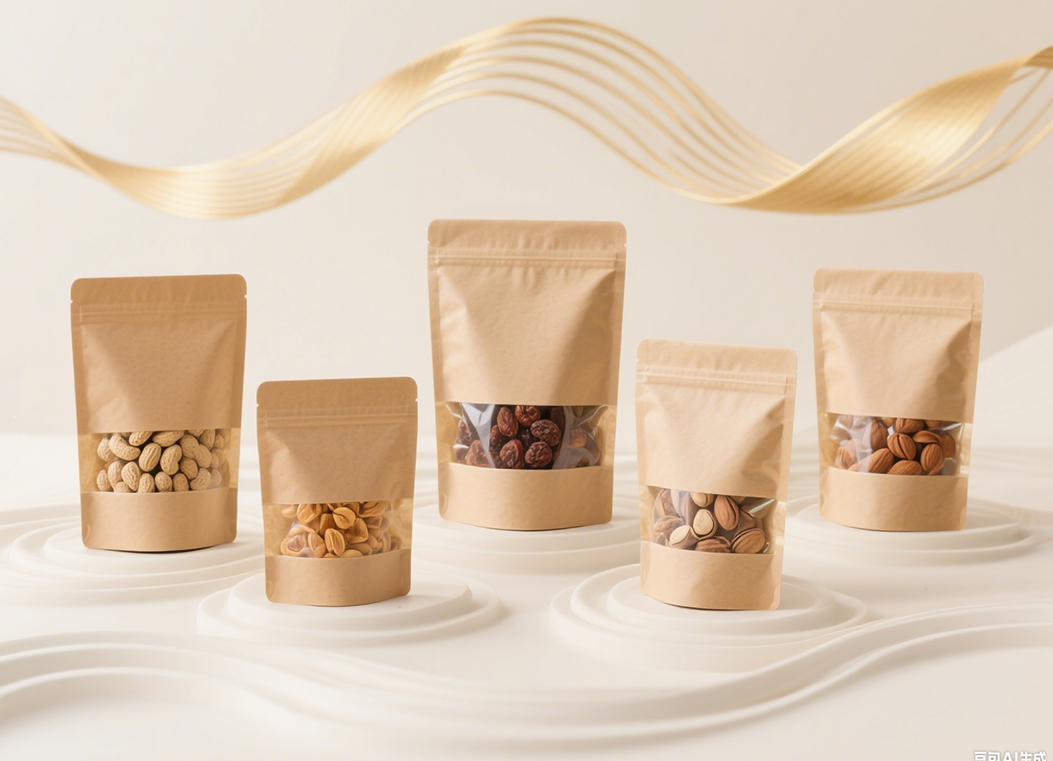
Flat bottom pouches offer ample space for branding, labeling, and product information. Printing techniques such as flexography, rotogravure, and digital printing allow for high-resolution graphics and vibrant colors. Packaging designers can incorporate windows to display the product or use matte and gloss finishes to enhance shelf appeal.
3. Barrier Properties
A critical design consideration is the material's barrier performance, which protects the product from moisture, oxygen, light, and contaminants. Flat bottom pouches typically use multilayer films combining PET, PE, aluminum foil, or BOPP. Proper barrier selection ensures product freshness, extends shelf life, and prevents spoilage.
Materials and Production Techniques
1. Common Materials
The choice of material affects durability, barrier properties, and printability. Commonly used materials include:
- PET (Polyester): Offers excellent print clarity and mechanical strength.
- PE (Polyethylene): Provides flexibility and heat-sealability.
- BOPP (Biaxially Oriented Polypropylene): Ideal for glossy finishes and moisture barrier.
- Aluminum Foil: Provides high barrier against light, oxygen, and moisture.
2. Laminating and Printing
Flat bottom pouches are typically produced using laminating techniques that bond multiple film layers. This ensures both barrier performance and mechanical strength. Printing is integrated into the production process, with inline flexographic or rotogravure methods commonly used. Digital printing is increasingly adopted for smaller runs and customized designs.
3. Forming and Sealing
The forming process creates the flat bottom and side gussets. Heat sealing is used to join film layers and maintain structural integrity. Quality sealing prevents leaks and maintains the pouch's shape during handling and storage. Automated pouch forming machines improve efficiency and reduce production defects.
Applications of Flat Bottom Pouches
1. Food and Beverage Packaging
Flat bottom pouches are widely used for snacks, coffee, tea, dried fruits, sauces, and liquid beverages. Their stability on store shelves, resealable features, and barrier properties make them ideal for maintaining freshness. Liquid spouts and easy-pour options enhance consumer convenience for drinks, sauces, and condiments.
2. Health and Beauty Products
Cosmetics, skincare, and personal care products are increasingly packaged in flat bottom pouches. Flexible packaging reduces material usage compared to rigid containers, while still offering a premium look. Features such as zip locks, spouts, or tear notches improve usability and hygiene.
3. Household and Industrial Products
Flat bottom pouches are used for detergents, cleaning agents, fertilizers, and pet foods. Their durability and large surface area allow clear labeling and dosage information. Multi-layer laminates provide chemical resistance and moisture protection, ensuring product integrity during storage and transport.
Advantages of Flat Bottom Pouches
1. Shelf Stability and Display
The flat bottom design allows pouches to stand upright, improving product visibility and consumer appeal. Stable positioning reduces the risk of tipping during transport and shelf display.
2. Cost and Material Efficiency
Compared to rigid packaging, flat bottom pouches use less material while maintaining strength. This reduces production and shipping costs, minimizes environmental impact, and allows efficient storage and stacking.
3. Customization and Branding
The large printable surface and versatile design allow brands to create distinctive packaging with eye-catching graphics, informative labels, and product windows. This enhances brand recognition and consumer engagement.
Considerations for Production and Quality Control
1. Material Selection and Testing
Selecting the right combination of films and adhesives is critical. Materials should undergo testing for barrier performance, tensile strength, and seal integrity. Consistency in material properties ensures reliability during production and usage.
2. Sealing and Structural Integrity
Heat seals and gusset folds must be carefully inspected to prevent leaks and maintain structural stability. Automated inspection systems can detect defective seals and misaligned gussets, reducing waste and maintaining quality standards.
3. Production Efficiency
Modern pouch forming and filling machines optimize speed, accuracy, and flexibility. Regular calibration, preventive maintenance, and operator training are essential to minimize downtime, maintain consistent pouch quality, and reduce material waste.
Conclusion
Flat bottom pouches have become a preferred packaging solution across multiple industries due to their stability, durability, and consumer-friendly design. Understanding design principles, material selection, production techniques, and quality control measures ensures high-quality pouches that protect products, enhance brand appeal, and improve operational efficiency. By implementing best practices, manufacturers can maximize both product performance and customer satisfaction.