
 English
 Español
 عربى
عربىContent
- 1 Introduction to Sealing Pouches in Supply Chains
- 2 Enhancing Product Safety and Protection
- 3 Optimizing Storage and Inventory Management
- 4 Streamlining Transportation and Logistics
- 5 Supporting Sustainability Goals
- 6 Facilitating Product Traceability and Compliance
- 7 Reducing Operational Costs
- 8 Comparison with Traditional Packaging Solutions
- 9 Conclusion: Driving Supply Chain Efficiency
Introduction to Sealing Pouches in Supply Chains
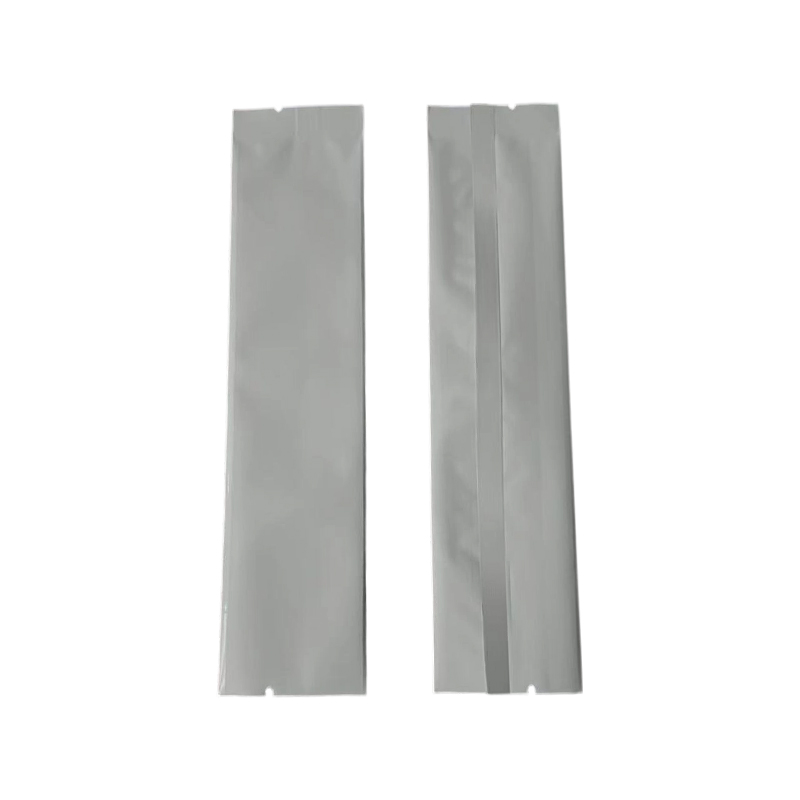
Sealing pouches are versatile packaging solutions designed to protect, preserve, and streamline the transportation of goods across supply chains. They are widely used in industries such as food and beverage, pharmaceuticals, electronics, and consumer goods to ensure product integrity, reduce waste, and optimize logistics operations.
By providing a reliable barrier against moisture, air, and contaminants, sealing pouches extend product shelf life, enhance safety, and simplify handling. Their adaptability in size, material, and closure type makes them a critical component in modern supply chain management.
Enhancing Product Safety and Protection
Sealing pouches are engineered to provide superior protection for various types of products during storage, transportation, and handling. The multi-layered structure of modern pouches, including barrier films and laminated layers, safeguards contents from physical damage, moisture, oxygen, and contaminants.
This protective function minimizes product spoilage, contamination risks, and financial losses. For sensitive goods such as pharmaceuticals or perishable food items, sealing pouches ensure compliance with quality standards and regulatory requirements.
- Moisture-resistant materials prevent degradation of products
- Air-tight seals preserve freshness and prevent contamination
- Durable films reduce the risk of punctures or leaks
- Supports tamper-evident and child-resistant designs
Optimizing Storage and Inventory Management
Sealing pouches contribute to efficient supply chain operations by improving storage flexibility. Unlike rigid containers, flexible pouches occupy less space, allowing warehouses and storage facilities to maximize capacity and organize inventory effectively.
Their lightweight design reduces pallet weight, facilitating easier stacking, transportation, and retrieval. Clear or labeled pouches also simplify stock identification and inventory tracking, which is essential for minimizing errors and ensuring smooth supply chain workflows.
- Flexible packaging reduces warehouse footprint
- Stackable designs improve space utilization
- Easy-to-label surfaces support inventory management
- Reduces handling time and material movement within warehouses
Streamlining Transportation and Logistics
Sealing pouches simplify transportation processes by offering lightweight, stackable, and resilient packaging. Their uniform size and shape allow for efficient palletization, minimizing wasted space in shipping containers and trucks.
The robust sealing mechanism prevents spillage and contamination during transit, reducing the risk of product returns, claims, and delays. This reliability ensures that goods reach end consumers in optimal condition, improving customer satisfaction and supply chain reliability.
- Lightweight design reduces shipping costs
- Stackable pouches enable optimized pallet loading
- Durable seals prevent leaks and contamination
- Standardized sizes simplify logistics planning
Supporting Sustainability Goals
Sealing pouches can also contribute to sustainability within supply chains. Modern pouches use recyclable materials, biodegradable films, or reduced packaging volume to minimize environmental impact. Flexible pouches require fewer raw materials compared to rigid containers, lowering carbon footprint during production and transportation.
Sustainable packaging aligns with corporate social responsibility initiatives, regulatory compliance, and consumer demand for environmentally friendly products. This eco-conscious approach strengthens brand reputation and reduces operational costs associated with waste management.
Facilitating Product Traceability and Compliance
Sealing pouches support efficient supply chain operations by enabling traceability and compliance. Labels, barcodes, QR codes, or RFID tags printed on pouches help track products throughout the supply chain from manufacturer to retailer.
This traceability is essential for industries such as food and pharmaceuticals, where regulations require accurate batch tracking, expiry date monitoring, and recall capabilities. The integration of traceable sealing pouches enhances transparency, accountability, and operational control.
Reducing Operational Costs
Sealing pouches help reduce costs across multiple supply chain operations. Their lightweight design lowers shipping expenses, and their protective structure decreases product loss due to damage or spoilage. Additionally, flexible packaging reduces warehouse space requirements, further lowering storage costs.
The ease of handling and minimal requirement for secondary packaging also reduces labor costs and accelerates packaging operations, supporting a leaner and more cost-effective supply chain.
Comparison with Traditional Packaging Solutions
The table below compares sealing pouches with traditional rigid containers and boxes in terms of efficiency and supply chain impact:
| Feature | Sealing Pouches | Rigid Containers | Cardboard Boxes |
| Weight | Low | High | Medium |
| Storage Efficiency | High | Medium | Medium |
| Protection Level | High | Very High | Medium |
| Traceability | High | Medium | Low |
| Cost Efficiency | High | Low | Medium |
Conclusion: Driving Supply Chain Efficiency
Sealing pouches play a vital role in modern supply chain operations by ensuring product safety, optimizing storage, streamlining transportation, supporting sustainability, and reducing operational costs. Their versatility and protective qualities make them indispensable for businesses aiming to enhance efficiency, minimize waste, and maintain high product quality throughout the supply chain.
By integrating sealing pouches into packaging strategies, companies can achieve faster, safer, and more cost-effective logistics operations, ultimately improving customer satisfaction and operational performance in competitive markets.