 English
 Español
 عربى
عربىContent
- 1 What are Stand-Up Pouches
- 2 Types of Stand-Up Pouches
- 3 Material Structure and Barrier Properties
- 4 Benefits of Stand-Up Pouches
- 5 Filling and Sealing Processes
- 6 Design Considerations for Stand-Up Pouches
- 7 Quality Control and Testing
- 8 Applications Across Industries
- 9 Sustainability and Environmental Considerations
- 10 Future Trends in Stand-Up Pouch Packaging
What are Stand-Up Pouches
Stand-up pouches are flexible packaging solutions designed with a flat bottom gusset that allows the package to stand upright on retail shelves without additional support. These pouches combine the convenience and cost-effectiveness of flexible packaging with the display advantages of rigid containers, making them increasingly popular across food, beverage, pet food, and personal care industries.
The pouches are constructed from multiple layers of film materials laminated together, each layer serving specific functions such as moisture barrier, oxygen protection, puncture resistance, or printability. The bottom gusset expands when filled, creating a stable base that provides excellent billboard space for branding and product information while maximizing shelf presence and consumer appeal.
Types of Stand-Up Pouches
Standard Stand-Up Pouches
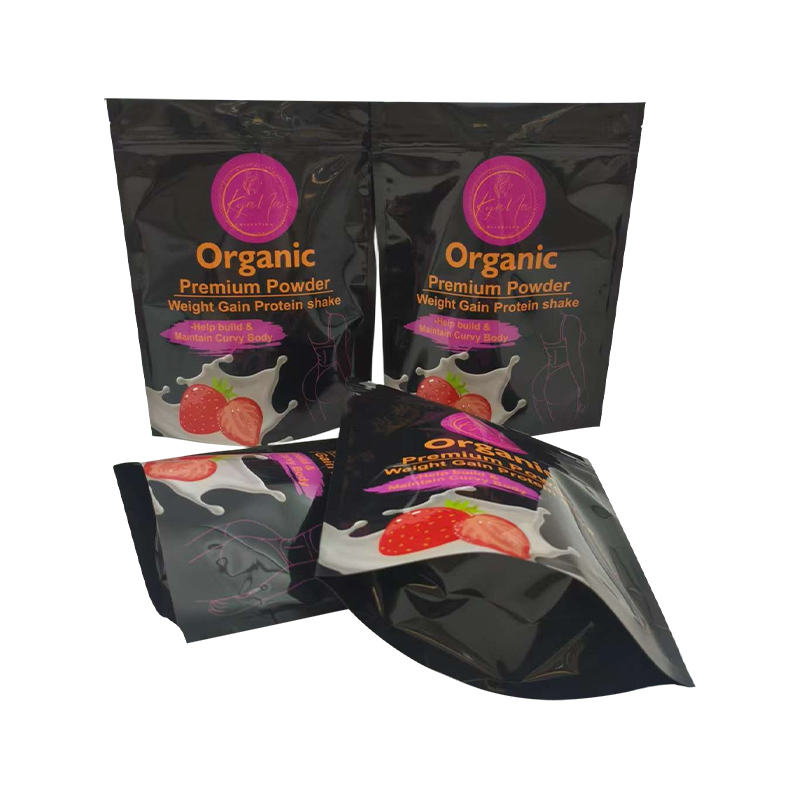
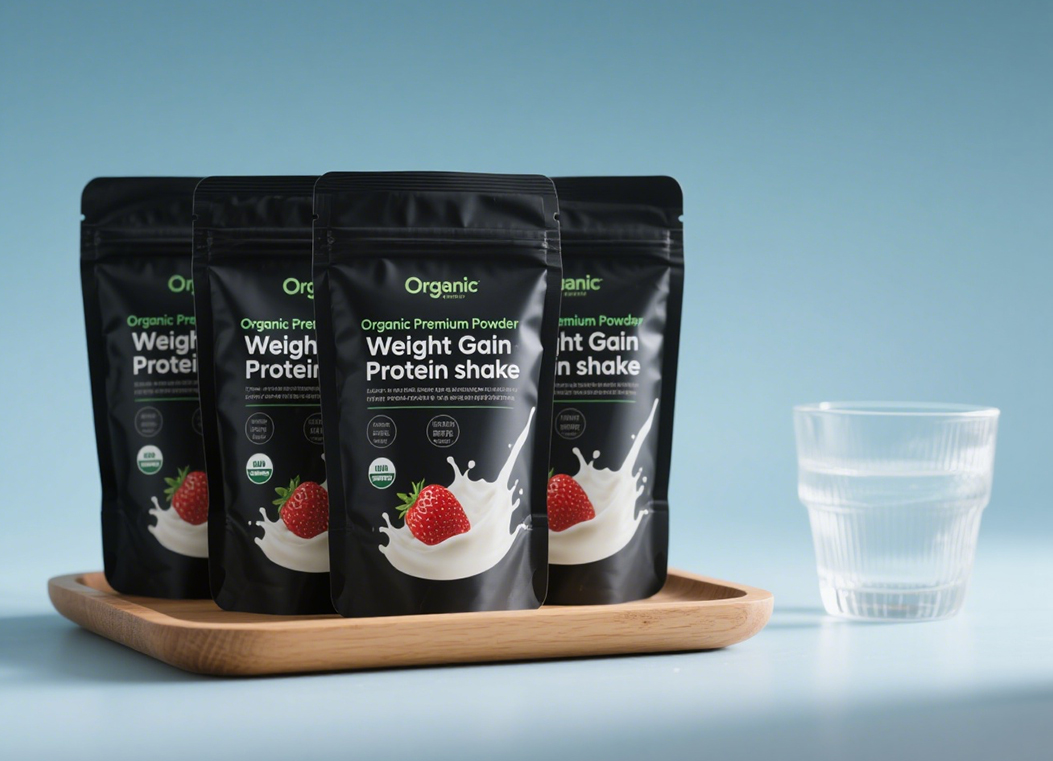
Standard stand-up pouches feature a basic design with a bottom gusset and sealed edges. These pouches offer the fundamental benefit of standing upright while providing good barrier properties and printable surfaces. They are ideal for dry products like coffee, snacks, pet treats, and powdered supplements where simple filling and sealing operations are sufficient.
The standard configuration typically includes a tear notch for easy opening and can be manufactured with various closure options. These pouches represent the most economical option for brands transitioning from rigid packaging to flexible formats.
Spouted Stand-Up Pouches
Spouted pouches incorporate a fitment or spout, usually positioned at the top corner or center, allowing controlled dispensing of liquids, gels, or viscous products. The spout typically includes a screw cap or flip-top closure for resealing, making these pouches perfect for beverages, sauces, baby food, and liquid detergents.
These pouches offer excellent convenience for consumers, reducing mess during pouring and enabling portion control. The spout attachment requires specialized filling equipment but provides significant functional advantages that justify the additional complexity and cost for liquid and semi-liquid applications.
Zipper Stand-Up Pouches
Zipper or resealable stand-up pouches feature an integrated closure mechanism, typically a press-to-close zipper, located below the top seal. This allows consumers to open and reclose the package multiple times, maintaining product freshness between uses. The zipper can be positioned above or below the tear notch depending on the desired opening experience.
These pouches are particularly popular for snack foods, dried fruits, pet food, and any product consumed over multiple occasions. The resealable feature adds value for consumers while potentially reducing food waste, making it an attractive option for premium product positioning.
Shaped Stand-Up Pouches
Shaped or contoured stand-up pouches utilize custom die-cuts to create distinctive package shapes that enhance brand differentiation and shelf appeal. These pouches can feature curved edges, custom top shapes, or unique silhouettes that align with brand identity or product characteristics.
While shaped pouches require custom tooling and may have higher minimum order quantities, they provide significant marketing advantages in crowded retail environments. The unique shapes capture consumer attention and can communicate product attributes or brand personality effectively.
Material Structure and Barrier Properties
Common Film Layers
Stand-up pouches typically consist of 2-4 layers of different films laminated together, each contributing specific properties to the final package. The outer layer provides printability and abrasion resistance, middle layers offer barrier protection, and the inner sealant layer enables heat sealing and food contact safety.
| Material Layer | Function | Typical Applications |
| PET (Polyester) | Strength, printability, clarity | Outer layer for premium graphics |
| BOPP (Biaxially Oriented Polypropylene) | Moisture barrier, clarity, stiffness | Outer and middle layers |
| Aluminum Foil | Complete oxygen and light barrier | Coffee, sensitive foods |
| Metallized Film | High barrier, metallic appearance | Snacks, premium products |
| Nylon (PA) | Puncture resistance, gas barrier | Sharp or heavy products |
| PE (Polyethylene) | Heat sealability, moisture barrier | Inner sealant layer |
| EVOH | Superior oxygen barrier | Extended shelf life products |
Selecting Appropriate Barrier Levels
Choosing the right material structure depends on product requirements including moisture sensitivity, oxygen sensitivity, aroma retention needs, and required shelf life. Products like dry pasta or sugar require basic moisture barriers, while coffee demands high oxygen barriers and aroma retention. Fresh or minimally processed foods may need the highest barrier levels with EVOH or aluminum foil.
Barrier requirements directly impact material costs, with high-barrier structures costing significantly more than basic configurations. Conducting shelf life testing with different material structures helps identify the most cost-effective solution that meets product protection requirements without over-engineering the package.
Benefits of Stand-Up Pouches
Cost Advantages
- Lower material costs compared to rigid containers like bottles, jars, or cans
- Reduced shipping costs due to lighter weight and efficient space utilization
- Decreased storage requirements as unfilled pouches occupy minimal warehouse space
- Lower carbon footprint from reduced material usage and transportation impacts
- Potential for higher fill-to-package ratios, minimizing wasted packaging material
Marketing and Consumer Benefits
- Excellent billboard effect with large printable surface area on front and back panels
- Strong shelf presence due to upright display orientation
- Convenience features like resealability and easy opening enhance user experience
- Lightweight and easy to handle compared to glass or metal containers
- Modern, premium appearance appeals to contemporary consumer preferences
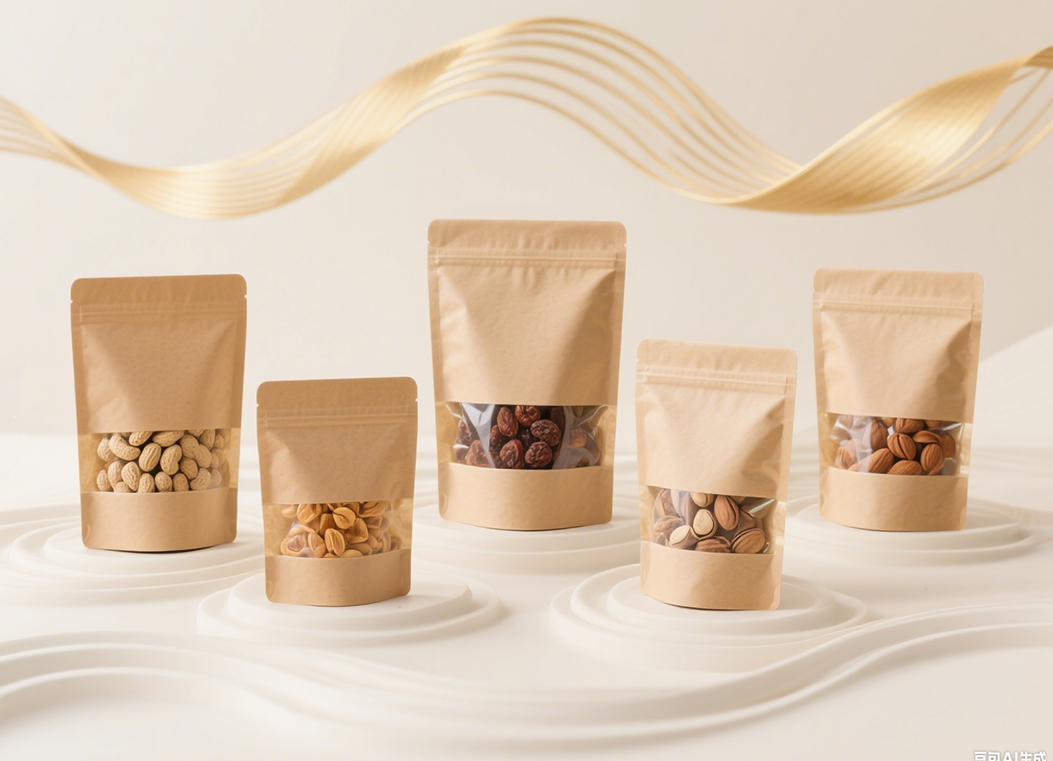
- Transparency windows can be incorporated to showcase product quality
Operational Efficiency
Stand-up pouches integrate easily with automated filling and sealing equipment, enabling high-speed production with minimal manual intervention. Modern pouch filling machines can process 60-120 pouches per minute depending on product type and pouch size, competing effectively with rigid container filling speeds.
The flexibility of pouch packaging allows manufacturers to run multiple SKUs on the same equipment with quick changeovers, reducing capital investment compared to rigid packaging lines that often require dedicated equipment for different container sizes and types.
Filling and Sealing Processes
Vertical Form-Fill-Seal Machines
Vertical form-fill-seal (VFFS) machines create pouches from rollstock film, fill them with product, and seal them in a continuous operation. The film unwinds from a roll, forms into a tube shape with a vertical back seal, receives product through the tube, and then cross seals to create individual pouches. VFFS systems are highly efficient for dry, free-flowing products like coffee, snacks, or granular materials.
Modern VFFS equipment includes sophisticated controls for bag length, seal temperature, fill weight, and timing parameters. Integration with metal detectors, checkweighers, and reject systems ensures product quality and package integrity. Production speeds vary from 30-120 bags per minute based on pouch size and product characteristics.
Pre-Made Pouch Filling
Pre-made pouch filling systems use pouches manufactured separately and delivered to the filling facility ready to fill. The equipment picks up individual pouches, opens them, fills with product through various filling methods (auger, volumetric cup, liquid pump, or gravity), and then heat seals the top closure. This approach works well for products requiring gentle handling, precise fills, or those unsuitable for VFFS operations.
Pre-made pouch systems offer flexibility to handle different pouch styles including spouted and shaped pouches that cannot be formed on VFFS equipment. While typically slower than VFFS, rotary pre-made pouch machines can achieve 60-80 pouches per minute with excellent fill accuracy and seal quality.
Hot-Fill and Retort Processing
Hot-fill processes involve filling pouches with product at elevated temperatures (typically 185-205°F) to achieve pasteurization and extend shelf life. The pouches must withstand thermal stress during filling and subsequent cooling without delaminating or losing seal integrity. Special high-temperature sealant materials are required for hot-fill applications.
Retort pouches undergo sterilization in pressure vessels after filling and sealing, achieving commercial sterility comparable to canned goods. These pouches require robust multi-layer structures with excellent seal strength and heat resistance. Retort processing enables ambient shelf life for products like soups, sauces, and ready-to-eat meals without refrigeration.
Design Considerations for Stand-Up Pouches
Structural Design Elements
The bottom gusset width determines the pouch's stability and capacity. Wider gussets create more stable packages but reduce the front panel display area. Typical gusset widths range from 40mm to 100mm depending on pouch height and product density. The gusset design must balance stability requirements with shelf impact and graphic area optimization.
Corner seal configurations affect pouch aesthetics and manufacturing efficiency. K-seal designs create clean corners without excess material buildup, while lap seals are simpler to manufacture but may have visible material overlap. The corner style impacts both appearance and seal strength in high-stress areas.
Graphics and Printing
Stand-up pouches typically use rotogravure or flexographic printing for high-quality graphics. Rotogravure provides superior image quality with excellent color consistency, making it ideal for photographic images and complex designs, though it requires higher minimum order quantities. Flexographic printing offers faster setup and lower minimums, suitable for simpler designs or shorter production runs.
Digital printing technology enables short-run production and variable data printing for personalization or test marketing. While per-unit costs are higher, digital printing eliminates plate costs and allows economical production of small quantities or multiple design variations.
Accessibility Features
- Tear notches positioned for easy access without requiring scissors or tools
- Zipper pull tabs that accommodate users with limited dexterity
- Clear opening instructions with visual cues for intuitive use
- Hang holes for retail display or storage convenience
- Transparent windows to verify product condition before purchase
Quality Control and Testing
Seal Integrity Testing
Seal strength testing measures the force required to separate sealed areas, ensuring adequate seal integrity for product protection and handling. Standard testing methods include peel testing for seal strength and burst testing to evaluate overall package strength under pressure. Minimum seal strength specifications typically range from 1.5-3.0 pounds per inch depending on application requirements.
Leak detection methods identify seal defects that could compromise product freshness or safety. Techniques include bubble leak testing (submerging pouches underwater and applying pressure), vacuum leak detection, and dye penetration testing. Automated inline leak detection systems can inspect every pouch during production, rejecting defective packages before they reach consumers.
Barrier Performance Evaluation
Oxygen transmission rate (OTR) and water vapor transmission rate (WVTR) testing quantifies barrier properties of pouch materials. These tests measure how much oxygen or moisture permeates through the package structure over time, allowing manufacturers to verify that barrier performance meets product shelf life requirements.
Accelerated shelf life testing exposes filled pouches to elevated temperature and humidity conditions to predict performance under normal storage. This testing identifies potential issues with product stability, package integrity, or seal performance before launching products into distribution channels.
Drop and Transportation Testing
Package durability testing simulates distribution hazards including drops, vibration, and compression. Drop testing from specified heights verifies that pouches maintain seal integrity and don't burst when subjected to handling impacts. Vibration testing assesses performance during transportation, while compression testing ensures pouches survive stacking loads in warehouses and during shipping.
Applications Across Industries
Food and Beverage
Stand-up pouches dominate several food categories including coffee, snacks, dried fruits, nuts, and confectionery. The packaging format provides excellent product protection while offering convenience features that consumers value. Spouted pouches have gained significant market share in beverages, baby food, and liquid condiments, offering portability and ease of use that rigid containers cannot match.
Fresh and frozen food applications continue expanding as material technologies improve barrier properties and temperature resistance. Pouches for pre-washed salads, prepared meals, and frozen vegetables reduce packaging waste while maintaining product quality throughout the supply chain.
Pet Food and Treats
The pet food industry has widely adopted stand-up pouches for both dry and wet products. Large format pouches with carry handles compete directly with traditional bags and cans, offering better graphics, resealability, and convenience. Premium pet food brands leverage pouch packaging to communicate quality and innovation while reducing environmental impact compared to cans.
Personal Care and Household Products
Liquid soaps, detergents, and cleaning products increasingly use spouted stand-up pouches as refill formats, reducing plastic waste compared to purchasing new bottles. Personal care items including lotions, shampoos, and body washes adopt pouches for travel sizes and eco-friendly refill options. The packaging format aligns with sustainability initiatives while maintaining product protection and user convenience.
Sustainability and Environmental Considerations
Material Reduction Benefits
Stand-up pouches typically use 70-85% less packaging material compared to equivalent rigid containers, significantly reducing resource consumption and waste generation. The lightweight design decreases transportation fuel requirements and associated greenhouse gas emissions throughout the supply chain. Life cycle assessments consistently show favorable environmental profiles for pouches compared to bottles, jars, and cans in most applications.
Recyclability Challenges and Solutions
Traditional multi-layer pouches face recycling challenges because different materials are laminated together and difficult to separate. However, the packaging industry is developing mono-material pouch structures using compatible polymers that can be recycled together. PE-based structures with PE ties and PE sealants enable recycling through existing polyethylene streams.
Store drop-off programs and specialized recycling facilities are expanding capacity to process flexible packaging. Several major retailers now accept pouches and other flexible packaging through in-store collection programs, diverting material from landfills and enabling circular economy approaches.
Bio-Based and Compostable Options
Bio-based films derived from renewable resources like corn, sugarcane, or wood pulp offer alternatives to petroleum-based plastics. While these materials may not yet match the barrier performance and cost-effectiveness of conventional films for all applications, continuous improvements are expanding their viability. Compostable pouches certified to standards like ASTM D6400 or EN 13432 provide end-of-life options for certain applications, though infrastructure for commercial composting remains limited in many regions.
Future Trends in Stand-Up Pouch Packaging
Smart packaging technologies are integrating into stand-up pouches through QR codes, NFC tags, and time-temperature indicators. These features enable brand engagement, product authentication, supply chain tracking, and freshness monitoring. Consumer interaction through smartphone apps provides opportunities for loyalty programs, recipes, and product information beyond what package graphics can convey.
Advanced barrier materials continue developing to extend shelf life while reducing environmental impact. Nano-coatings, bio-based polymers with enhanced barrier properties, and improved recyclable structures are emerging to meet both performance and sustainability requirements. The industry is moving toward solutions that maintain product protection while enabling circular economy participation.
Automation and digitalization in pouch manufacturing and filling operations are improving efficiency and enabling mass customization. Digital printing capabilities allow economical short runs for limited editions, regional variations, or personalized packaging. Integration of artificial intelligence in quality control systems enhances defect detection and process optimization, reducing waste and improving consistency. These technological advances position stand-up pouches for continued growth across diverse product categories and market segments.