
 English
 Español
 عربى
عربىContent
- 1 What a Middle Seal Bag Is and Why It Matters
- 2 Structural Design and Sealing Principle
- 3 Common Materials Used in Middle Seal Bags
- 4 Key Advantages Over Other Bag Types
- 5 Typical Applications Across Industries
- 6 Printing and Branding Considerations
- 7 Sustainability and Material Optimization
- 8 How to Choose the Right Middle Seal Bag
What a Middle Seal Bag Is and Why It Matters
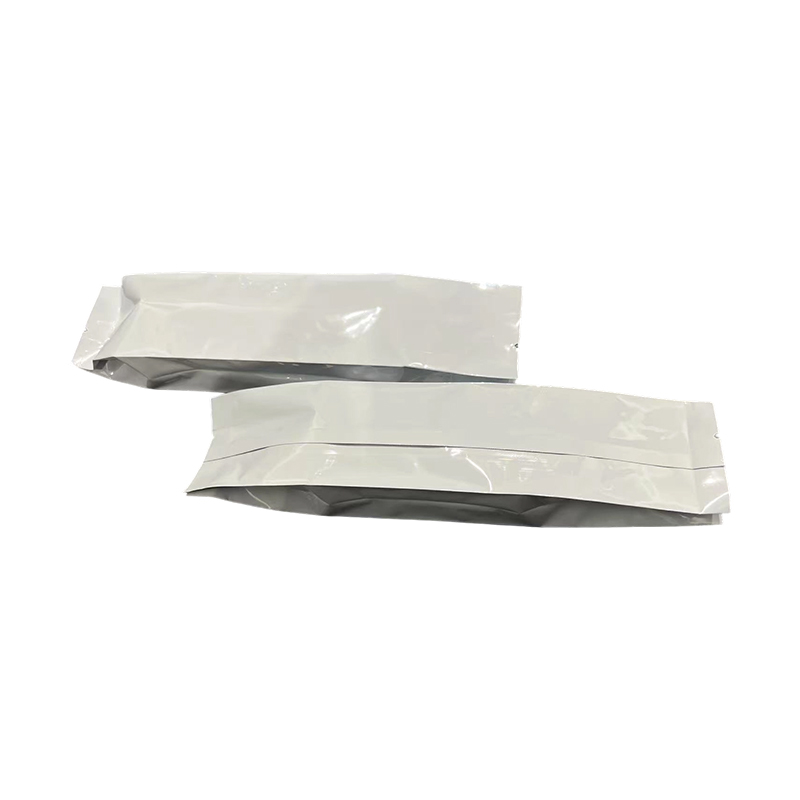
A middle seal bag is a flexible packaging bag with a vertical seal running along the center of the back side, formed during the bag-making process. This structure provides balanced strength, efficient material use, and a clean front surface for branding and product information. In practical terms, middle seal bags are valued because they combine reliable sealing performance with cost efficiency, making them one of the most widely used packaging formats in food, daily chemicals, and industrial consumables.
Compared with three-side seal or stand-up pouch formats, the middle seal bag uses a continuous roll film that is folded and sealed once along the center. This design reduces sealing complexity while maintaining good tensile strength. For manufacturers producing tens of thousands of bags per day, even a small reduction in film waste or machine downtime can translate into measurable cost savings.
Structural Design and Sealing Principle
The defining feature of a middle seal bag is its single longitudinal seal positioned at the center of the back panel. During production, flat film is folded symmetrically, and heat sealing is applied to create a strong bond. The top and bottom are then sealed horizontally after filling. This method ensures even stress distribution when the bag is filled and stacked.
Key structural characteristics
- Single vertical back seal improves appearance on the front
- Balanced film tension reduces risk of bursting
- Compatible with high-speed vertical form-fill-seal machines
In load tests, middle seal bags made from standard laminated films often withstand 10–15% higher internal pressure than comparable side-seal bags of the same thickness, which explains their popularity for granular and powdered products.
Common Materials Used in Middle Seal Bags
Material selection directly affects barrier performance, shelf life, and overall cost. Middle seal bags are compatible with a wide range of single-layer and multi-layer films, allowing manufacturers to tailor the package to product needs.
| Material | Key Property | Typical Use |
|---|---|---|
| BOPP | High clarity, stiffness | Snacks, dry foods |
| PET/PE | Good barrier, strong seal | Coffee, powders |
| AL/PE | Excellent light and oxygen barrier | Pharmaceuticals |
Key Advantages Over Other Bag Types
One of the strongest advantages of a middle seal bag is efficiency. Because it relies on a single longitudinal seal, production speed can reach 60–120 bags per minute on standard VFFS equipment, depending on size and material.
- Lower material waste compared to three-side seal bags
- Better stacking performance during transport
- Clean front panel enhances shelf visibility
For brands focused on high-volume distribution, these advantages often outweigh the lack of self-standing capability seen in stand-up pouches.
Typical Applications Across Industries
Middle seal bags are especially common in industries where consistency, protection, and cost control are critical. In the food sector alone, they account for a significant share of packaging for dry and semi-dry goods.
Examples include rice, flour, sugar, coffee beans, seasoning powders, and pet food. Outside food, detergents, fertilizers, and hardware components are also frequently packed in this format due to its strength and ease of handling.
Printing and Branding Considerations
Because the seal is located on the back, the front panel of a middle seal bag remains uninterrupted, offering an ideal canvas for branding. High-resolution gravure or flexographic printing can be applied without concern for visual disruption.
Many brands report that clear front layouts improve shelf recognition by 20% or more in crowded retail environments, particularly for fast-moving consumer goods.
Sustainability and Material Optimization
Modern middle seal bags are increasingly designed with sustainability in mind. By reducing the number of seals and optimizing film thickness, manufacturers can lower total plastic usage without compromising performance.
Mono-material PE or PP structures are now widely adopted, making the bags easier to recycle. In some cases, material reduction of 8–12% has been achieved compared to older packaging formats.
How to Choose the Right Middle Seal Bag
Selecting the right middle seal bag depends on product weight, moisture sensitivity, shelf life requirements, and distribution conditions. Heavier products benefit from thicker laminations, while oxygen-sensitive goods require higher barrier layers.
In summary, a well-designed middle seal bag offers a balanced solution of strength, efficiency, and visual appeal, making it a practical choice for brands seeking reliable and scalable packaging solutions.




