
 English
 Español
 عربى
عربىContent
- 1 Middle Seal Bags Offer Superior Structural Integrity and Efficiency
- 2 Common Applications Across Food, Pharma, and Consumer Goods
- 3 Material Composition and Barrier Performance
- 4 Production Advantages on High-Speed Vertical Form-Fill-Seal (VFFS) Lines
- 5 Sustainability Considerations and Recyclability Challenges
- 6 Design Flexibility for Branding and Consumer Experience
- 7 Cost-Benefit Analysis for Small vs. Large Manufacturers
- 8 Future Outlook: Smart Integration and Circular Economy Alignment
Middle Seal Bags Offer Superior Structural Integrity and Efficiency
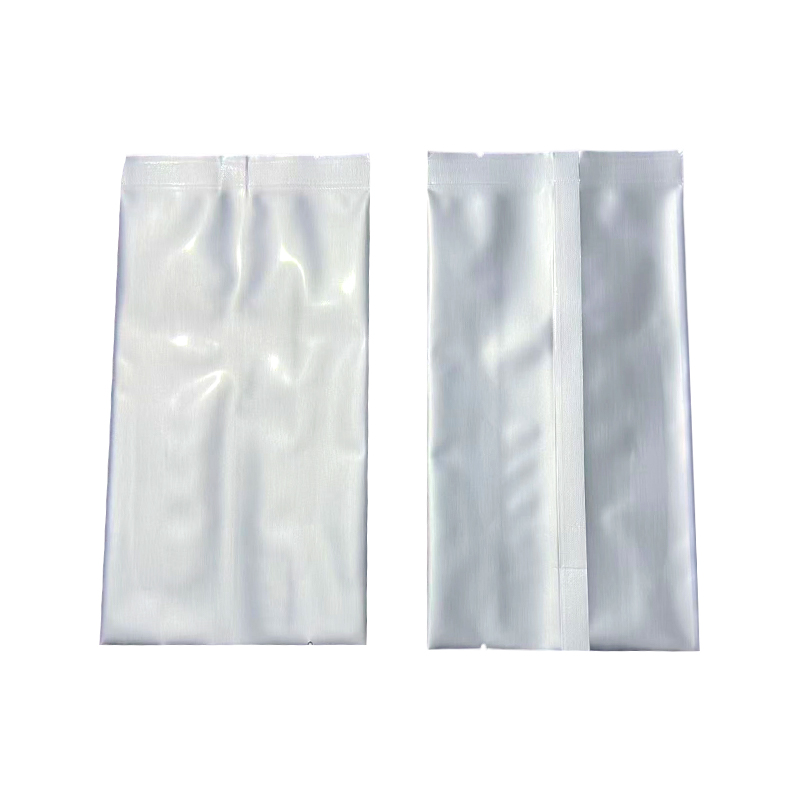
Middle seal bags—also known as center-seal pouches—are a specialized form of flexible packaging where the primary seal runs vertically down the center of the bag. This design allows for symmetrical filling and sealing from both sides, resulting in enhanced stability, reduced material usage, and improved production speed. Unlike side-seal or bottom-seal alternatives, the middle seal configuration distributes stress more evenly across the package, making it ideal for products that require consistent shape retention during transport and display. Industry data shows that middle seal bags can reduce film consumption by up to 12% compared to traditional side-seal formats, directly lowering material costs and environmental impact.
Common Applications Across Food, Pharma, and Consumer Goods
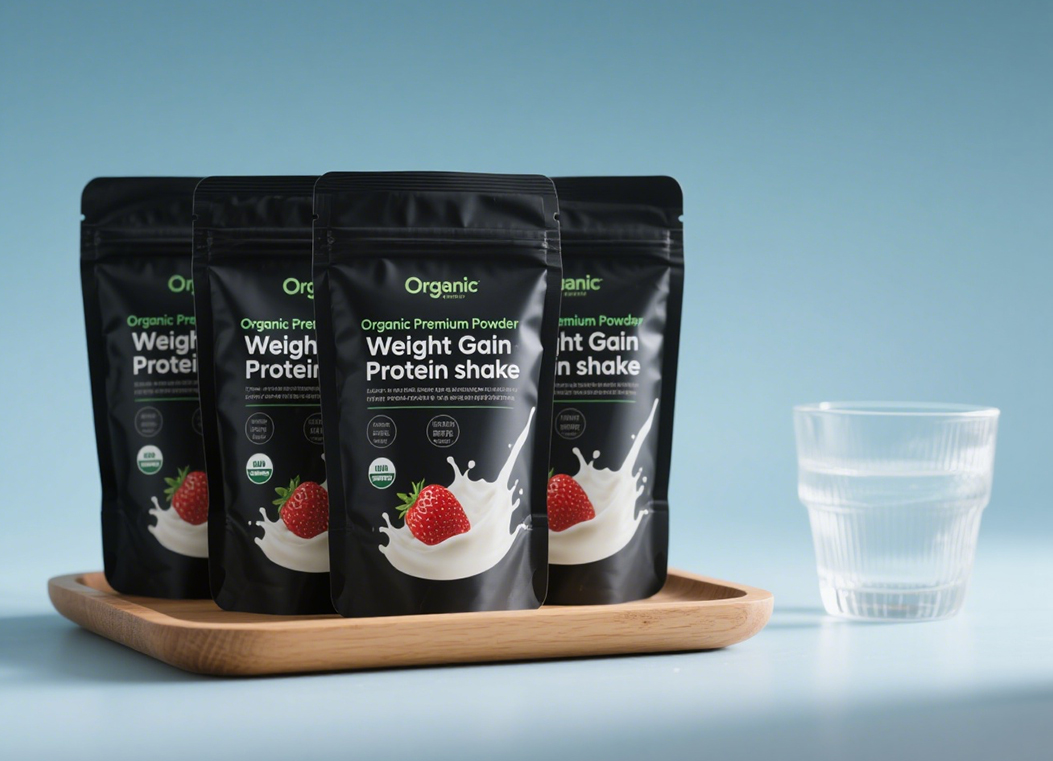
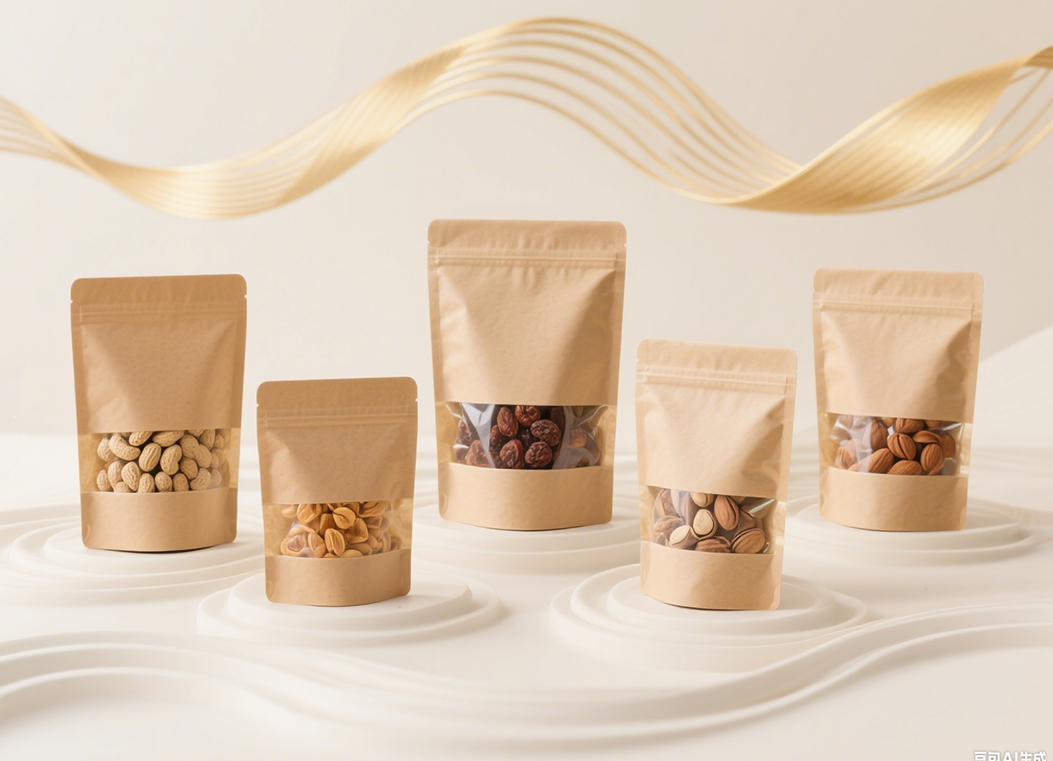
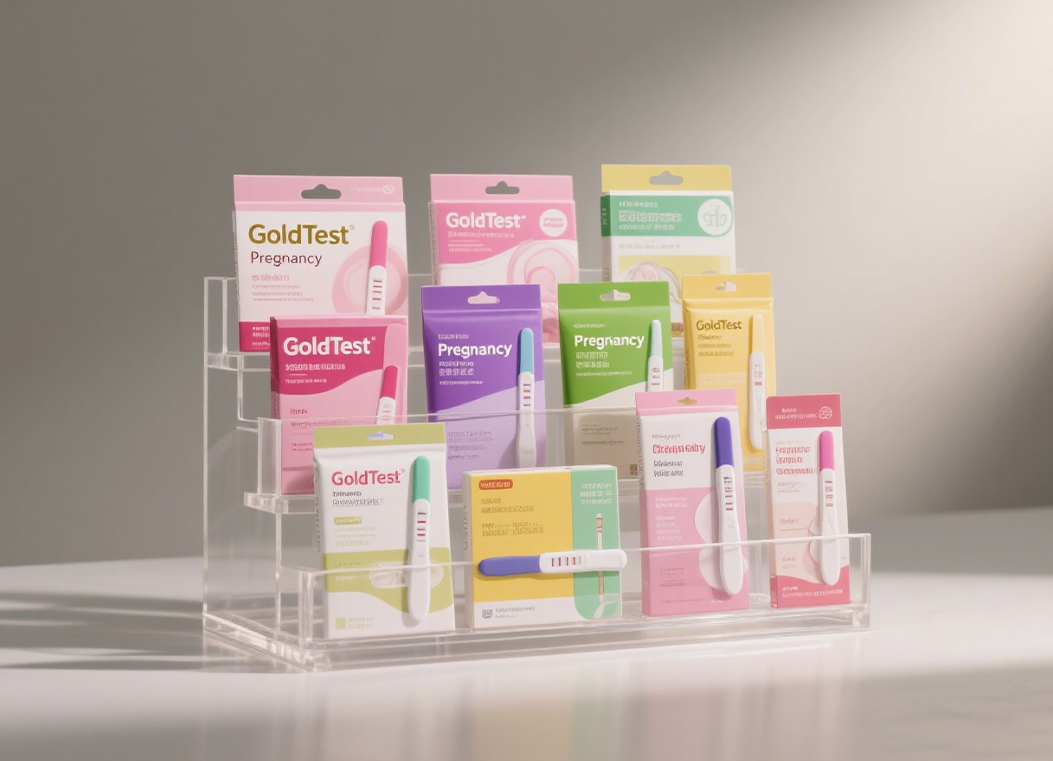
The versatility of middle seal bags makes them a go-to solution in multiple sectors. In the food industry, they are widely used for single-serve snacks, coffee pods, frozen vegetables, and dry goods like rice or pasta. Their uniform structure ensures consistent portioning and shelf appeal. In pharmaceuticals, these bags protect moisture-sensitive tablets or powders with high-barrier laminates. Consumer goods such as laundry detergent pods, pet treats, and cosmetic samples also benefit from the clean, professional look and reliable seal integrity. Notably, over 65% of pre-portioned dry food products in Europe now use middle seal technology, according to a 2024 Flexible Packaging Association report.
Material Composition and Barrier Performance
Middle seal bags are typically constructed from multi-layer laminates combining polymers like PET, PE, PP, and aluminum foil depending on required barrier properties. For oxygen-sensitive items (e.g., nuts or coffee), structures often include an EVOH layer or metallized film to extend shelf life. The central seal’s design minimizes edge exposure, reducing potential ingress points for moisture or contaminants. Below is a comparison of common material configurations:
| Application | Common Structure | Oxygen Transmission Rate (OTR) |
|---|---|---|
| Dry Snacks | PET/PE | ≤150 cc/m²/day |
| Coffee | PET/Alu/PE | ≤0.5 cc/m²/day |
| Pharmaceuticals | PET/EVOH/PE | ≤2 cc/m²/day |
Production Advantages on High-Speed Vertical Form-Fill-Seal (VFFS) Lines
Middle seal bags are optimized for VFFS machinery, where a single roll of film is folded and sealed along the center before being cut and filled. This process enables continuous, high-throughput packaging—often exceeding 120 bags per minute on modern lines. Because both sides of the bag are formed simultaneously, registration accuracy improves, reducing misprints and waste. Additionally, the symmetrical design simplifies changeovers between SKUs, as fewer mechanical adjustments are needed compared to side-seal systems. A 2025 case study from Bosch Packaging showed a snack manufacturer reduced downtime by 18% after switching to middle seal format.
Sustainability Considerations and Recyclability Challenges
While middle seal bags offer material efficiency, their multi-layer construction poses recycling hurdles. Most municipal systems cannot process laminated films, leading to landfill disposal. However, innovations are emerging: mono-material middle seal bags using all-PE or all-PP structures are gaining traction. Companies like Amcor and Sealed Air now offer recyclable versions certified under CEFLEX guidelines. Furthermore, the reduced film weight—often 10–15% lighter than equivalent side-seal pouches—lowers carbon footprint during shipping. Brands committed to ESG goals should evaluate both material composition and end-of-life pathways when selecting packaging.
Design Flexibility for Branding and Consumer Experience
The flat, uninterrupted front and back panels of middle seal bags provide ample space for high-impact graphics, QR codes, and regulatory information. Unlike gusseted or stand-up pouches, there are no folds or pleats to distort printing. This clarity enhances shelf visibility and supports digital engagement strategies. Moreover, features like tear notches, resealable zippers, or easy-open perforations can be integrated without compromising the central seal’s integrity. For example, a leading pet food brand increased repeat purchases by 22% after adding a reclosable zipper to their middle seal treat bags, citing improved freshness retention.
Cost-Benefit Analysis for Small vs. Large Manufacturers
Adopting middle seal technology involves upfront investment in compatible VFFS equipment, which may deter small producers. However, contract packagers increasingly offer this service, lowering entry barriers. For high-volume operations, the ROI is compelling: lower film costs, faster line speeds, and reduced spoilage offset capital expenses within 12–18 months. Key cost drivers include:
- Film savings from optimized layout and reduced scrap
- Labor efficiency due to automated, continuous operation
- Lower return rates from improved seal reliability
A 2023 survey by PMMI found that 78% of mid-sized food processors reported net savings within two years of transitioning to middle seal packaging.
Future Outlook: Smart Integration and Circular Economy Alignment
The evolution of middle seal bags is closely tied to smart packaging and sustainability mandates. Near-term developments include integration with RFID tags for supply chain tracking and time-temperature indicators for perishables. Simultaneously, industry coalitions are standardizing mono-material designs to align with EU and U.S. plastic reduction targets. As consumer demand for eco-friendly yet functional packaging grows, middle seal bags—when engineered responsibly—will remain a cornerstone of efficient, scalable flexible packaging. Their balance of performance, cost, and adaptability ensures continued relevance through 2030 and beyond.




