
 English
 Español
 عربى
عربىA three-side seal bag is one of the most widely used flexible packaging formats in the world — sealed along both vertical sides and across the bottom, with the top left open for filling and then sealed after packing. It is the go-to choice for food, pharmaceutical, and consumer goods packaging where a flat, lightweight, and cost-efficient pouch is needed. Whether you are sourcing packaging for a product launch or optimizing an existing line, understanding how three-side seal bags are constructed, what materials suit different products, and what specifications to request will save time and prevent costly errors.
Content
- 1 What a Three-Side Seal Bag Is and How It Differs from Other Pouch Formats
- 2 How Three-Side Seal Bags Are Made
- 3 Film Structure and Material Options
- 4 Industries and Products That Use Three-Side Seal Bags
- 5 Optional Features and Add-Ons
- 6 Key Dimensions and How to Specify Bag Size Correctly
- 7 Minimum Order Quantities, Lead Times, and Sourcing Considerations
- 8 Sustainability Options for Three-Side Seal Bags
What a Three-Side Seal Bag Is and How It Differs from Other Pouch Formats
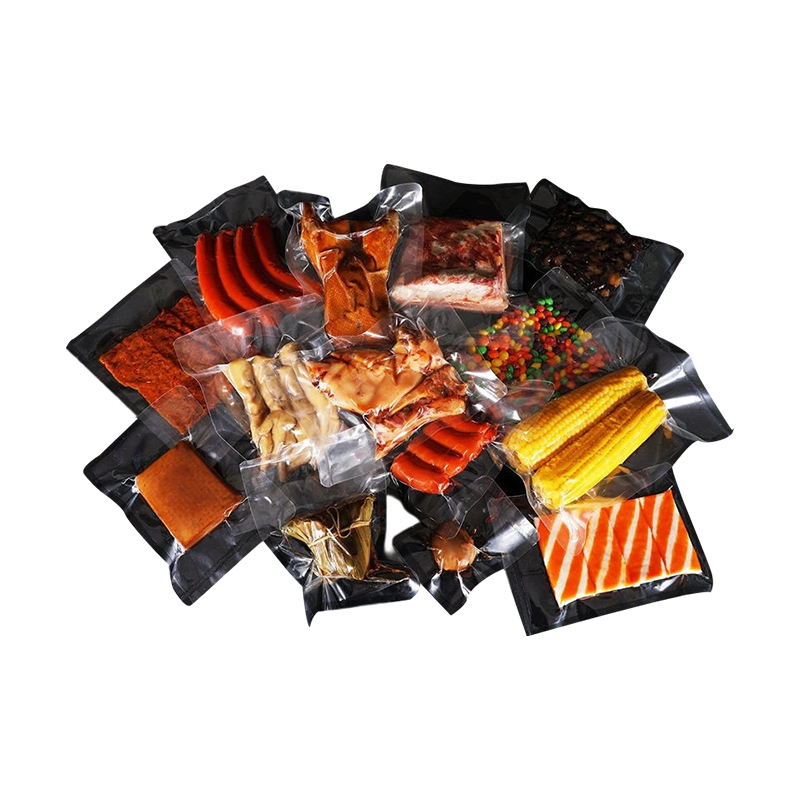
A three-side seal bag — also called a three-side seal pouch or fin seal pouch — is formed from a flat sheet of laminated flexible film folded or joined so that heat seals close three edges. The fourth edge (typically the top) remains open during production and is sealed after the product is filled, either manually or by an automated form-fill-seal (FFS) machine.
This distinguishes it clearly from other common pouch types:
- Stand-up pouch (Doypack): Has a gusseted bottom that allows the bag to stand upright on shelf. More material-intensive and expensive than a three-side seal bag.
- Four-side seal bag: All four edges are sealed during manufacturing. Used for pre-filled, sealed unit doses such as single-serve condiment sachets. Not designed for post-fill sealing.
- Back-seal (pillow) pouch: Sealed with a fin seal down the back and across both ends. Produced inline on vertical FFS machines; the three-side seal bag is typically pre-made and filled separately.
- Gusset bag: Side or bottom gussets add volume capacity. The three-side seal bag is inherently flat and is best suited for thin or uniform products.
The three-side seal bag's flat profile makes it particularly efficient for retail shelf display, primary pharmaceutical packaging, and food items that do not require a self-standing format, such as flat snacks, powder sachets, medical dressings, and dried herbs.
How Three-Side Seal Bags Are Made
Production begins with a roll of laminated flexible film that has been printed, if required, using gravure or flexographic printing. The film is fed through a bag-making machine that performs the following steps in sequence:
- The film is cut to the specified bag width and length.
- Two layers of film are aligned face-to-face (for a two-layer construction) or a single sheet is folded.
- Heat sealing bars press and bond the two bottom corners and both side edges simultaneously or in sequence, forming the three seals.
- The open top edge is trimmed cleanly and, if specified, a tear notch, zipper, or euro slot is added.
- Finished bags are stacked, counted, and packed for shipment.
Seal integrity is the most critical quality parameter. Seal strength is typically tested to a minimum of 25–40 N/15mm for food packaging applications, with pharmaceutical pouches often requiring higher values depending on regulatory requirements. Bag-making machines used by reputable suppliers run at speeds of 200–400 bags per minute for standard sizes, ensuring consistent seal quality across large production runs.
Film Structure and Material Options
The performance of a three-side seal bag is determined almost entirely by its laminate structure. Most bags consist of two to four layers bonded with adhesive or extrusion lamination. Each layer serves a specific function.
Outer Layer (Print and Protection)
The outermost layer provides the printable surface and protects the bag from abrasion and puncture during handling. Biaxially oriented polyethylene terephthalate (BOPET / polyester) is the most common outer layer material, offering excellent tensile strength, good clarity, and a smooth print surface. Biaxially oriented polypropylene (BOPP) is a lower-cost alternative used where the highest mechanical strength is not required.
Middle Layer (Barrier)
A barrier layer is included when the product requires protection from oxygen, moisture vapor, light, or aroma migration. Common barrier materials include:
- Aluminium foil: The highest barrier option. Provides near-zero oxygen transmission rate (OTR) and complete light blocking. Used for coffee, medical devices, and moisture-sensitive pharmaceuticals.
- Metallized film (VMPET or VMCpp): A thin vacuum-deposited aluminium layer on a film substrate. Lower barrier than foil but sufficient for many dry food applications. Lighter and more flexible.
- EVOH (ethylene vinyl alcohol): A transparent high-barrier layer providing excellent oxygen resistance without the opacity of foil. Used in applications where package transparency is required.
- Nylon (BOPA): Added for puncture resistance and flexibility rather than gas barrier. Common in packaging for sharp-edged items like nuts or spices.
Inner Layer (Heat Seal)
The innermost layer must be heat-sealable and food-contact compliant. Cast polypropylene (CPP) and linear low-density polyethylene (LLDPE) are the standard choices. CPP offers higher heat resistance (sealing temperatures of 140–160°C) and is preferred for hot-fill applications, while LLDPE seals at lower temperatures and provides excellent toughness at low cost.
| Product Type | Typical Structure | Key Property |
|---|---|---|
| Dry snacks / chips | BOPP / VMPET / CPP | Moisture barrier, cost-efficient |
| Coffee / tea | BOPET / Al foil / CPP | High oxygen and aroma barrier |
| Pharmaceuticals | BOPET / Al foil / LLDPE | Maximum moisture and light barrier |
| Fresh produce / meat | BOPET / BOPA / LLDPE | Puncture resistance, flexibility |
| Powders / spices | BOPP / VMPET / CPP | Aroma retention, printability |
| Medical devices | BOPET / Al foil / CPP or Tyvek | Sterile barrier, peel-open option |
Industries and Products That Use Three-Side Seal Bags
The format's versatility means it appears across a broad range of sectors. Its flat profile, clean printable surface, and compatibility with high-speed automated filling make it a default choice in several industries.
Food Packaging
Three-side seal bags are extensively used for dry foods including biscuits, crackers, dried fruit, nuts, ground coffee, flour, sugar, and seasoning sachets. Their flat format makes them ideal for portion-controlled sachets and multipack inner packaging. In the snack food industry, three-side seal bags account for a significant share of primary packaging due to their compatibility with horizontal and vertical form-fill-seal lines.
Pharmaceutical and Medical
The pharmaceutical sector relies on three-side seal bags for unit-dose packaging of tablets, capsules, and medical devices. Foil-laminate versions provide the hermetic seal required to maintain sterility and protect moisture-sensitive formulations. Peel-open designs using peelable seal layers allow clean, particle-free opening — a requirement for sterile medical device packaging under ISO 11607.
Personal Care and Cosmetics
Single-use sachets for shampoo, conditioner, face mask sheets, and sample-size skincare products are almost universally produced in three-side seal format. The format's low material use keeps the per-unit cost extremely low — sample sachets in high-volume production can cost as little as $0.02–$0.05 per unit — making them viable for promotional distribution.
Agricultural and Industrial
Seeds, fertilizer tablets, chemical additives, and hardware components such as screws or gaskets are packaged in plain or printed three-side seal bags. These applications typically use heavier gauge films (80–120 microns total) and prioritize puncture resistance and moisture resistance over optical clarity.
Optional Features and Add-Ons
Standard three-side seal bags can be specified with a range of functional additions that improve usability, shelf appeal, or logistics performance.
- Tear notch: A small V-cut or slit on one or both side seals allows consumers to open the bag cleanly without scissors. Standard on pharmaceutical and single-serve food sachets.
- Zipper (reclosable seal): A press-to-close or slide zipper added near the top of the bag converts a single-use format into a reclosable pouch. Popular for snacks, cheese, and pet treats.
- Euro slot / hang hole: A die-cut hole near the top allows bags to be hung on retail peg hooks, significantly improving shelf display options without changing the bag structure.
- Valve: A one-way degassing valve is added to coffee packaging to allow CO₂ released by freshly roasted beans to escape without admitting oxygen.
- Window: A clear panel cut into an otherwise opaque or metallized bag lets consumers see the product inside. Increases retail appeal and perceived product quality.
- Matte or soft-touch finish: A matte varnish or laminate applied to the outer surface reduces glare and creates a premium tactile feel that differentiates the product on shelf.
Key Dimensions and How to Specify Bag Size Correctly
Specifying the wrong bag dimensions is one of the most common and avoidable errors when ordering three-side seal bags. Dimensions are always given as width × height (or length), measured from inner seal edge to inner seal edge, excluding the seal width itself. The usable internal volume is always smaller than the overall bag dimensions once seal width is subtracted.
Typical seal widths are 8–15mm per side for food applications and 10–20mm for medical or heavy-duty uses. A bag quoted as 100mm × 150mm with 10mm seals on all three closed sides has an internal usable area of approximately 80mm × 140mm.
When sizing a bag for a specific product, allow for:
- The product's dimensions or fill volume, plus a clearance of at least 10–15mm on each side to allow the film to close without stress on the seal.
- The top seal area (typically 10–20mm) that will be consumed when the bag is sealed after filling on your production line.
- Any features at the top of the bag such as a zipper strip or hang hole that require additional height beyond the fill zone.
Minimum Order Quantities, Lead Times, and Sourcing Considerations
Three-side seal bags are produced in large runs due to the setup costs associated with printing cylinders and lamination line changeovers. Understanding typical commercial parameters helps set realistic expectations when sourcing.
Minimum Order Quantities (MOQ)
For printed bags with custom artwork, MOQs typically range from 10,000 to 100,000 units per SKU depending on bag size and number of print colors. Plain (unprinted) or single-color bags can often be sourced at lower MOQs of 3,000–5,000 units. Digital printing services now offer shorter runs of 500–2,000 units at higher per-unit cost, suitable for product development samples or small-batch specialty products.
Lead Times
Standard production lead times from Asian manufacturers are 25–35 days after artwork approval and deposit payment. Expedited production can reduce this to 15–20 days at a premium. Domestic suppliers in Europe or North America typically offer shorter lead times of 10–15 days but at significantly higher unit costs.
What to Request from Suppliers
When requesting quotes, provide the following information to receive accurate pricing and avoid specification mismatches:
- Finished bag dimensions (width × height) and whether dimensions are overall or internal
- Laminate structure or product type and required barrier properties
- Total film thickness or weight per square metre
- Print specification: number of colors, surface or reverse print, artwork files
- Any special features: tear notch, zipper, hang hole, valve, window
- Required certifications: food contact compliance (FDA, EU 10/2011), ISO 11607 for medical, or others
- Annual volume or order frequency, as this influences pricing tiers significantly
Sustainability Options for Three-Side Seal Bags
Conventional multi-layer laminate pouches are difficult to recycle because separating bonded dissimilar materials is not economically practical at most recycling facilities. This is a known challenge across the flexible packaging industry, and several solutions are in active commercial use.
- Mono-material polyethylene (PE) laminates: All layers are PE-based, making the pouch compatible with existing PE recycling streams. Brands including Unilever and Nestlé have transitioned selected SKUs to mono-PE pouches to meet recyclability commitments. Barrier performance is lower than foil laminates but adequate for many dry food applications.
- Mono-material polypropylene (PP) laminates: PP-based monomaterial structures offer better heat resistance than PE versions and are accepted in PP recycling streams where collection infrastructure exists.
- Recyclable barrier films: Transparent high-barrier films using EVOH or SiOx (silicon oxide) coating replace aluminium foil in applications where recyclability is required alongside strong oxygen and moisture protection.
- Post-consumer recycled (PCR) content: Films incorporating 30–50% PCR resin reduce virgin plastic use. Available in both PE and PET-based structures with minimal impact on print quality or seal performance.
- Compostable films: PLA (polylactic acid) and PBAT-based films are available for applications where industrial composting infrastructure exists. Performance limitations include lower moisture barrier and narrower sealing temperature windows compared to conventional films.
The right sustainable option depends on the product's barrier requirements, the recycling infrastructure available in the target market, and the brand's specific sustainability commitments. There is currently no single format that matches conventional foil laminate on barrier performance while also being widely recyclable — selecting a sustainable structure almost always involves some trade-off in one or more performance parameters.




