
 English
 Español
 عربى
عربىContent
- 1 Vacuum Seal Bags Are One of the Most Effective Tools for Extending Food Shelf Life and Maximising Storage Space
- 2 How Vacuum Seal Bags Work and Why Removing Air Matters
- 3 Types of Vacuum Seal Bags and Their Differences
- 4 Vacuum Seal Bag Materials and Food Safety Standards
- 5 How Long Vacuum-Sealed Food Actually Lasts: A Practical Reference
- 6 Choosing the Right Vacuum Sealer to Use with Your Bags
- 7 Vacuum Seal Bags for Clothing and Household Storage
- 8 Common Reasons Vacuum Seal Bags Fail and How to Prevent Them
- 9 Sustainability and Reusability of Vacuum Seal Bags
Vacuum Seal Bags Are One of the Most Effective Tools for Extending Food Shelf Life and Maximising Storage Space
Vacuum seal bags remove air from around food or stored items before sealing, creating an oxygen-depleted environment that dramatically slows the biological and chemical processes responsible for spoilage, freezer burn, and deterioration. Vacuum-sealed food lasts 3 to 5 times longer in the refrigerator and up to 2 to 3 years in the freezer compared to food stored in standard zip-lock or resealable bags — a difference significant enough to meaningfully reduce household food waste and grocery costs over time.
Beyond food preservation, vacuum seal bags are equally effective for compressing clothing, bedding, and soft goods for storage or travel — reducing volume by up to 75% — and for protecting non-food items including documents, tools, and valuables from moisture and oxidation. Understanding the differences between bag types, seal methods, and material grades is the foundation for using them effectively across these different applications.
How Vacuum Seal Bags Work and Why Removing Air Matters
The preservation benefits of vacuum sealing come directly from the removal of oxygen and the physical compression of the bag against the contents. Both effects act simultaneously to slow spoilage through distinct mechanisms.
Oxygen Removal Inhibits Aerobic Spoilage
The majority of bacteria responsible for food spoilage — and most moulds — are aerobic organisms that require oxygen to grow and reproduce. Removing oxygen from the sealed environment does not sterilise food, but it substantially slows microbial activity. Standard refrigerated air contains approximately 21% oxygen; vacuum-sealed bags reduce this to below 1%, creating conditions in which aerobic bacteria reproduce far more slowly. This is why vacuum-sealed cooked meat stays fresh in the refrigerator for 10–14 days rather than the typical 3–5 days in standard packaging.
Critically, vacuum sealing does not prevent the growth of anaerobic bacteria — organisms that thrive without oxygen. Clostridium botulinum, the pathogen responsible for botulism, is anaerobic and can multiply in vacuum-sealed environments. This is why vacuum-sealed foods — particularly low-acid items like garlic in oil, cooked potatoes, and cured meats — must still be refrigerated or frozen, not stored at room temperature.
Preventing Oxidation and Freezer Burn
Oxidation — the chemical reaction between oxygen and fats, pigments, and vitamins in food — causes rancidity in oils and fatty foods, colour loss in fruits and vegetables, and off-flavours in meats. Vacuum sealing eliminates the oxygen needed for these reactions. In the freezer, the physical contact between the bag and food surface eliminates the air gaps where ice crystals form and sublimate — the mechanism of freezer burn. Studies have found that vacuum-sealed frozen meat shows negligible freezer burn after 24 months, while standard freezer-bag stored meat shows significant surface damage within 3–6 months.
Volume Reduction for Storage and Travel
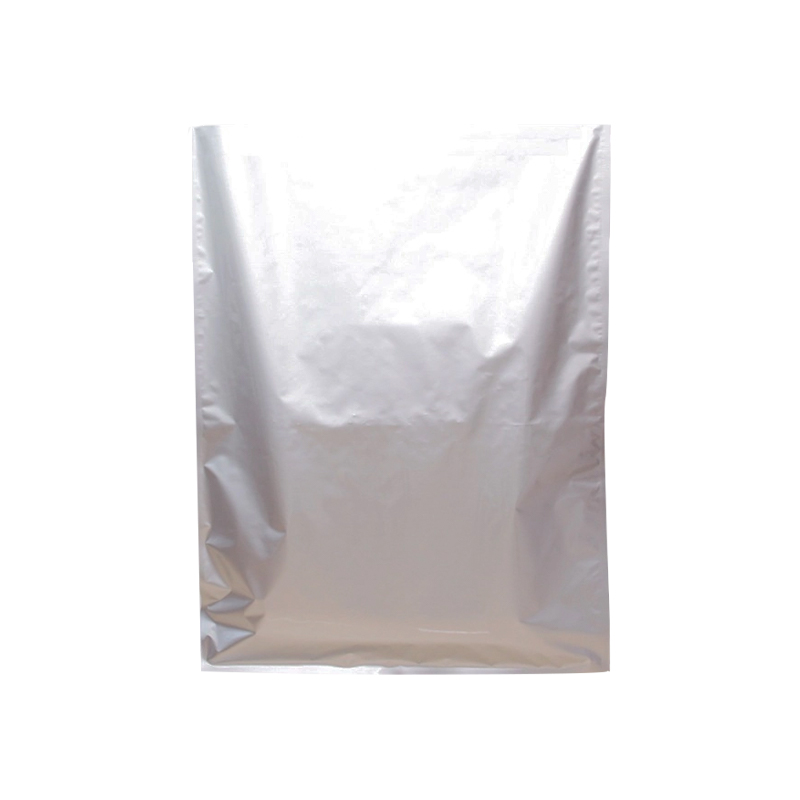
For non-food applications, the volume reduction achieved by vacuum sealing is the primary benefit. Bulky items such as duvets, winter coats, pillows, and sweaters contain large volumes of trapped air that give them their loft. Vacuum sealing compresses this air out of the soft material, reducing storage volume by 50–75% depending on the item's fill type and density. A double duvet that occupies a full storage box can be compressed to a flat package 10–15 cm thick — freeing significant wardrobe, under-bed, or suitcase space.
Types of Vacuum Seal Bags and Their Differences
Vacuum seal bags are not a single product — they span several distinct formats designed for different sealing methods, applications, and performance requirements. Using the wrong bag type with a given sealer or for a given product is one of the most common sources of sealing failure.
| Bag Type | Sealing Method | Best For | Reusable? | Freezer Safe? |
|---|---|---|---|---|
| Embossed / Textured Bags | External vacuum sealer (heat seal) | All food types, general preservation | Yes (if unwashed area remains) | Yes |
| Chamber Vacuum Bags (smooth) | Chamber vacuum sealer | Liquids, marinades, sous vide | Yes | Yes |
| Zip-Valve Vacuum Bags | Hand pump or compatible sealer | Short-term food storage, travel | Yes | Yes (check label) |
| Roll Stock / Bag Rolls | External vacuum sealer (heat seal both ends) | Custom-sized bags for any item | Yes (if uncontaminated section remains) | Yes |
| Sous Vide Bags | External or chamber sealer | Precision cooking in water baths | Yes (after thorough washing) | Yes |
| Storage / Compression Bags | Vacuum cleaner hose or hand pump | Clothing, bedding, soft goods | Yes | N/A |
Embossed vs Smooth Bags: Why Texture Matters
The most important functional difference between bag types is the presence or absence of surface embossing (also called channelling or micro-texturing). Embossed bags have a grid or diamond pattern pressed into one or both inner surfaces — these channels allow air to travel from the centre of the bag to the machine's suction point even as the bag is compressed against the food. Smooth bags cannot be used with external vacuum sealers because the smooth inner surfaces seal against each other before all air is evacuated, trapping pockets of air inside. Smooth bags require a chamber vacuum sealer, which evacuates the entire chamber rather than drawing air through the bag itself.
Vacuum Seal Bag Materials and Food Safety Standards
The material a vacuum seal bag is made from determines its oxygen and moisture barrier performance, its temperature range (critical for freezing and sous vide cooking), and whether it is safe for direct food contact. Not all vacuum bags sold online meet food safety standards, particularly imports from markets with lower regulatory requirements.
Standard Multi-Layer Construction (PA/PE)
The vast majority of food-grade vacuum seal bags are constructed from a multi-layer laminate of polyamide (PA, also called nylon) and polyethylene (PE). PA provides the oxygen barrier and puncture resistance; PE provides the heat-seal layer and moisture barrier. A typical construction is a 3-layer PA/PE/PA laminate or a 5-layer structure with additional tie layers for enhanced performance. Total film thickness for quality food vacuum bags ranges from 70–120 microns — thinner bags are more economical but more prone to puncture by sharp bones or edges; thicker bags offer greater protection for difficult-to-pack items.
Temperature Range and Sous Vide Compatibility
Standard vacuum seal bags rated for freezer use must remain flexible and retain their seal integrity at temperatures down to -18°C or below. Sous vide bags must withstand prolonged immersion in water at temperatures up to 90°C (194°F) without delaminating, releasing plasticisers, or allowing seal failure. Not all vacuum bags are sous vide safe — always verify the manufacturer's stated temperature range before using any bag in a water bath application. Bags rated to 100°C or above are generally considered safe for all sous vide cooking temperatures used in domestic and professional kitchens.
BPA-Free and Food Contact Certifications
Food-grade vacuum seal bags should be certified BPA-free and compliant with food contact material regulations in the relevant market. In the EU, this means compliance with EU Regulation 10/2011 on plastic materials intended for food contact. In the US, bags should meet FDA 21 CFR standards for food packaging. Reputable vacuum bag manufacturers provide Declaration of Compliance (DoC) documents confirming material composition and migration test results — these should be requested by commercial buyers and are a basic quality assurance expectation. Consumer-market bags from established brands typically carry the relevant food-safe symbol on packaging.
How Long Vacuum-Sealed Food Actually Lasts: A Practical Reference
Shelf life extension is the primary reason most people use vacuum seal bags for food. The gains vary significantly by food type, storage temperature, and whether the food was raw or cooked at the time of sealing.
| Food Type | Standard Packaging (Fridge) | Vacuum Sealed (Fridge) | Standard Packaging (Freezer) | Vacuum Sealed (Freezer) |
|---|---|---|---|---|
| Raw Beef / Lamb | 3–5 days | 10–14 days | 6 months | 2–3 years |
| Raw Poultry | 1–2 days | 5–7 days | 9 months | 2–3 years |
| Raw Fish | 1–2 days | 3–5 days | 3–6 months | 1–2 years |
| Cooked Meat / Leftovers | 3–5 days | 10–14 days | 2–3 months | 1–2 years |
| Hard Cheese | 1–2 weeks | 4–8 weeks | 6 months | 1–2 years |
| Vegetables (blanched) | 3–5 days | 1–2 weeks | 8 months | 2–3 years |
| Dry Goods (coffee, nuts, flour) | Weeks (ambient) | Months–1 year (ambient) | — | — |
These figures are conservative estimates based on USDA food safety guidance. Actual results depend on the initial freshness of the food at sealing, refrigerator temperature (ideally below 4°C / 40°F), and the quality of the vacuum and heat seal achieved. Vacuum sealing extends shelf life but does not make food immune to spoilage — always use sensory checks before consuming vacuum-sealed refrigerated food beyond standard guidelines.
Choosing the Right Vacuum Sealer to Use with Your Bags
Vacuum seal bags only perform as well as the sealer used with them. The sealer determines how completely air is evacuated, how strong and consistent the heat seal is, and what bag formats are compatible. Mismatching bags and sealers is the leading cause of seal failure in home and commercial vacuum sealing.
External (Edge) Vacuum Sealers
External sealers — the most common consumer appliance — work by placing the open end of the bag into the sealer, which draws air out through the bag's embossed channels and then heat-seals the opening. These sealers require embossed bags exclusively — smooth bags will not evacuate properly with an external sealer. Consumer-grade external sealers generate vacuum pressures of -0.6 to -0.8 bar; professional-grade models reach -0.95 bar, achieving a more complete vacuum. Key specifications to check when buying bags for an external sealer are: bag thickness compatibility (most sealers handle 70–120 micron bags), bag width (must not exceed the sealer's jaw width, typically 28–30 cm), and whether the sealer includes a heat seal strong enough to reliably seal the bag thickness.
Chamber Vacuum Sealers
Chamber sealers evacuate the entire sealed chamber — not just the bag — which allows smooth bags to be used and makes liquids and marinades easy to seal without being drawn into the sealer. These machines are the commercial and professional kitchen standard. Chamber sealers achieve vacuum levels of -0.99 bar, approaching absolute vacuum, and produce a more durable, consistent seal than external sealers. They accept smooth, flat bags (no embossing required) and are compatible with pouches, bags, and cryovac-style packaging. The trade-off is size and cost — chamber sealers are significantly larger and more expensive than external models, making them primarily a commercial purchase.
Handheld Vacuum Pumps for Zip-Valve Bags
Zip-valve vacuum bags use a resealable zip closure with a small one-way valve through which air is extracted using a handheld pump (manual or battery-powered). These are the most portable and lowest-cost vacuum sealing option and require no electricity or heat sealing. They achieve a lower vacuum level than heat-sealed systems — typically removing 60–70% of air rather than 95%+ — making them suitable for short-term refrigerator storage and travel but less effective for long-term freezer preservation. Reusability is a significant advantage: the zip valve bags can be washed and refilled dozens of times.
Vacuum Seal Bags for Clothing and Household Storage
Storage vacuum seal bags — designed for clothing, bedding, and soft goods — are a fundamentally different product from food vacuum bags, despite sharing the same core principle of air removal. They use a different sealing mechanism, different materials, and are sized and structured for very different contents.
How Clothing Storage Bags Differ from Food Bags
Clothing and bedding storage bags use a zip-lock closure with a one-way valve at the top of the bag — air exits through the valve when compressed by a vacuum cleaner hose or hand pump but cannot re-enter. They are made from thicker, more durable polyethylene or PE/nylon composites — not the thin multi-layer food bag laminate — because they must withstand the compression force of a vacuum cleaner motor without tearing. Standard clothing storage vacuum bags are available in sizes from 50 × 70 cm (suitable for garments) up to 100 × 120 cm for king-size duvets and large bedding sets.
What Works Well in Storage Vacuum Bags
- Winter clothing: Sweaters, coats, and knitwear compress well and recover their shape when released. Ensure items are clean and completely dry before sealing to prevent mildew development inside the sealed bag.
- Duvets and pillows: Synthetic-fill duvets and pillows vacuum-compress excellently and recover full loft when re-inflated. Down and feather items can be compressed but may take longer to fully re-loft after extended compression — store for no more than 3–6 months to preserve fill quality.
- Seasonal bedding and towels: High-bulk items that occupy disproportionate wardrobe or cupboard space benefit significantly from seasonal compression storage.
- Travel packing: Travel-sized storage compression bags allow more clothing to fit in a suitcase. Note that airlines count checked bag weight, not volume — compression saves space but not weight allowance.
What Should Not Be Stored in Vacuum Compression Bags
- Leather and faux leather: Compression can crack leather and leave permanent crease marks. Store leather items loosely on hangers.
- Delicate silks and structured garments: Compression distorts the structure of tailored or structured clothing and can leave permanent fold lines in delicate fabrics.
- Wool items stored long-term: Extended compression can mat wool fibres, reducing their insulating and loft properties. Wool knitwear is better stored folded in breathable bags for seasons longer than 6 months.
Common Reasons Vacuum Seal Bags Fail and How to Prevent Them
A vacuum seal bag that loses its seal within hours or days of being closed has failed to deliver its core function. Most sealing failures are preventable and fall into a small number of identifiable root causes.
- Moisture or food residue on the seal area: The most common cause of seal failure. Any liquid, fat, or food particle in the 2–3 cm area that will be heat-sealed prevents the PE layers from bonding. Always wipe the bag opening dry with a clean cloth before sealing, and leave adequate headspace above the food.
- Sharp bones or rigid edges puncturing the bag: Fish bones, poultry joints, and steak bones can pierce the bag during or after sealing. Wrap sharp bones in a layer of cling film or paper towel before vacuum sealing, or use a thicker gauge bag (100 microns or above) for bone-in cuts.
- Insufficient seal width or temperature: A seal that is too narrow or produced at too low a temperature will be weak and may peel open, particularly when the bag contracts further in the freezer. Most quality sealers produce a 5–8 mm wide seal — if the seal appears thin or uneven, re-seal 1 cm above the first seal line.
- Using smooth bags with an external sealer: As detailed above, smooth bags cannot channel air to the sealer's suction point. The result is a bag that appears sealed but retains significant trapped air inside. Always use embossed bags with external sealers.
- Overfilling the bag: Filling a bag beyond 75–80% of its capacity leaves insufficient margin for the heat seal and makes it more likely that food or liquid will contact the seal area. Leave at least 7–10 cm of empty bag above the food line for reliable sealing.
- Reusing bags too many times: While embossed vacuum bags are reusable, the embossed channel pattern degrades with repeated washing and sealing — reducing vacuum efficiency over multiple use cycles. Bags used for raw meat, fish, or marinades should be assessed for integrity before reuse and replaced if the emboss pattern appears worn or flattened.
Sustainability and Reusability of Vacuum Seal Bags
Vacuum seal bags are plastic products, and their environmental impact is a legitimate consideration. However, the sustainability calculation is more nuanced than simply counting plastic units — the food waste reduction enabled by vacuum sealing has a significant countervailing environmental benefit.
Food Waste Reduction Offsets Plastic Use
Food waste is responsible for approximately 8–10% of global greenhouse gas emissions according to the UN Food and Agriculture Organisation. The agricultural land use, water consumption, transport, and processing energy embodied in food that is thrown away represents a substantial environmental cost. Vacuum sealing that prevents a single kilogram of beef from being wasted offsets a considerably larger plastic footprint than the bag itself represents — particularly when the bags are reused multiple times before disposal.
Washing and Reusing Food Vacuum Bags
Embossed vacuum bags used for dry foods, cheese, vegetables, and cooked foods can be washed by hand or in the dishwasher (top rack, cool cycle) and reused multiple times. Bags that have contained raw meat, raw fish, or eggs should be discarded after first use — the risk of cross-contamination from residual pathogens that may survive washing in the emboss channels outweighs the sustainability benefit of reuse. Sous vide bags used for cooked food at safe temperatures can be washed and reused for dry food storage or non-food applications.
Emerging Sustainable Alternatives
Several manufacturers are developing vacuum seal bags from bio-based or compostable films — including PLA (polylactic acid) composites and bio-PE derived from sugarcane. Bio-based PE has an identical molecular structure to petroleum PE and performs identically, but is derived from renewable feedstock rather than fossil fuels. These products are available at a cost premium but are gaining traction in commercial food service and among environmentally-conscious consumers. Fully compostable vacuum bags remain technically challenging because the oxygen barrier performance of available compostable films currently falls short of conventional PA/PE laminates.




