 English
 Español
 عربى
عربىContent
Introduction to Vacuum Seal Bags for Food
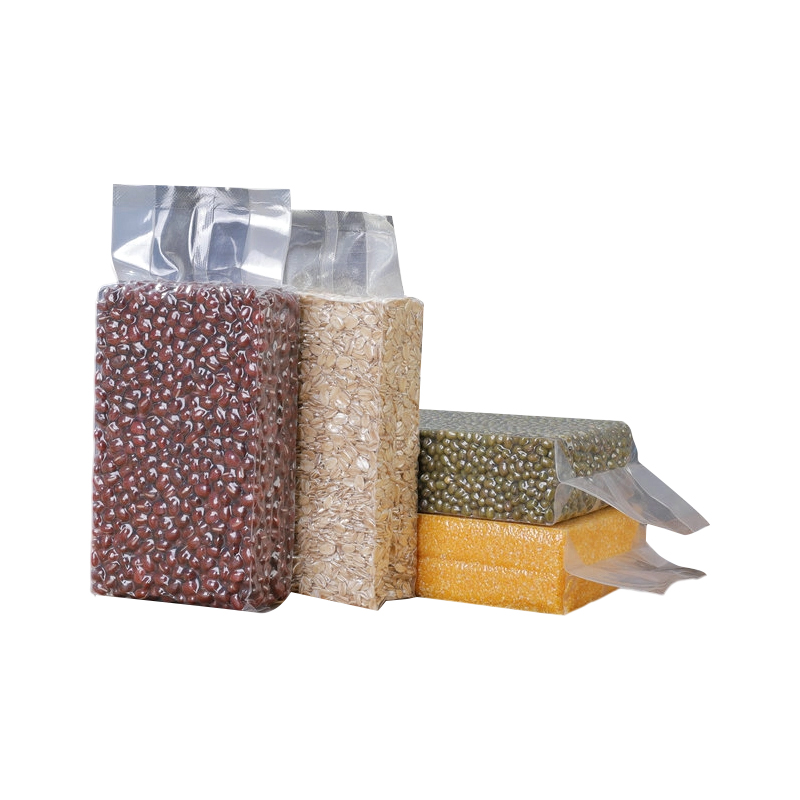
Vacuum seal bags for food have revolutionized food storage by providing an airtight environment that preserves freshness, flavor, and nutrients. By removing air from the packaging, these bags significantly slow down the processes of oxidation, microbial growth, and moisture loss. Suitable for both home kitchens and commercial food operations, vacuum seal bags help maintain the quality of a wide range of foods, from meats and vegetables to baked goods and dried products.
Mechanism of Food Preservation
Understanding how vacuum seal bags work is essential to appreciating their ability to preserve food.
Removal of Air and Oxygen
Air contains oxygen, which promotes the growth of bacteria, mold, and yeast, and accelerates the oxidation of fats and other nutrients. By removing air from the bag, vacuum sealing minimizes these reactions, helping food maintain its original taste and nutritional value over extended storage periods.
Barrier Against Moisture and Contaminants
Vacuum seal bags are made from multilayered, high-barrier materials that prevent the ingress of moisture, dust, and other contaminants. This protects delicate foods from spoilage, freezer burn, and flavor loss, ensuring consistent quality from storage to consumption.
Reduction of Freezer Burn
Freezer burn occurs when water molecules in food migrate to the surface and form ice crystals, leading to texture degradation and flavor loss. Vacuum seal bags minimize air exposure, significantly reducing the risk of freezer burn and preserving the original texture and taste of frozen foods.
Nutritional Benefits of Vacuum Sealing
Vacuum sealing not only preserves flavor but also helps retain essential nutrients that can degrade during conventional storage methods.
Retention of Vitamins and Minerals
Vitamins such as C, B-complex, and folate are sensitive to oxidation and light exposure. Vacuum seal bags limit contact with oxygen and reduce nutrient loss, allowing vegetables, fruits, and fresh meats to maintain higher levels of essential vitamins and minerals compared to traditional storage.
Preservation of Protein and Enzymes
Protein-rich foods like meat, poultry, and fish benefit from vacuum sealing as it slows enzymatic activity that leads to spoilage. This ensures that both flavor and nutritional value are preserved over time, especially during extended freezing or refrigeration.
Maintenance of Flavor Compounds
Vacuum sealing helps retain volatile compounds responsible for aroma and taste, keeping food flavorful and appealing. This is particularly important for herbs, spices, coffee, and cooked meals, where flavor deterioration is rapid under conventional storage.
Practical Applications and Benefits
Vacuum seal bags provide practical advantages for a variety of food storage needs.
- Extended Shelf Life – Refrigerated and frozen foods last significantly longer.
- Portion Control – Allows storage of single servings or pre-portioned meals.
- Space Efficiency – Compressed packaging reduces storage space in freezers and pantries.
- Marination Enhancement – Vacuum sealing accelerates flavor infusion for meats and vegetables.
- Reduced Food Waste – Preservation of freshness reduces spoilage and unnecessary disposal.
Types of Vacuum Seal Bags
Different types of vacuum seal bags cater to various food storage requirements:
Standard Vacuum Seal Bags
Designed for everyday use, these bags are suitable for freezing, refrigeration, and dry storage. They are made from flexible, high-strength plastic that can be sealed using manual or automatic vacuum machines.
Sous Vide Compatible Bags
These bags are heat-stable and designed for precise cooking in water baths. They retain moisture, flavor, and nutrients while preventing the escape of aromatic compounds during cooking.
Reusable Vacuum Seal Bags
Eco-friendly options made from silicone or thick BPA-free plastics can be washed and reused. These bags offer similar preservation benefits while reducing environmental impact.
Comparison with Conventional Storage Methods
A comparison highlights why vacuum seal bags outperform traditional storage techniques:
| Feature | Vacuum Seal Bags | Plastic Wrap / Zip Bags |
| Oxygen Exposure | Minimal, air removed | High, air remains |
| Food Freshness | Extended shelf life, preserved flavor | Shorter shelf life, flavor loss over time |
| Nutrient Retention | High, vitamins and proteins maintained | Moderate, nutrients degrade faster |
| Freezer Burn Protection | Excellent, minimal ice crystal formation | Poor, higher risk of freezer burn |
| Reusability | Some types reusable | Generally single-use |
Conclusion
Vacuum seal bags for food provide an effective solution for preserving flavor, texture, and nutrients. By creating an airtight environment, these bags slow down oxidation, microbial growth, and moisture loss, extending shelf life and reducing waste. Whether for home use or commercial kitchens, vacuum seal bags enhance food quality, improve storage efficiency, and support better meal planning and nutrition. Investing in vacuum seal technology ensures food remains fresh, safe, and flavorful from preparation to consumption.