 English
 Español
 عربى
عربىContent
- 1 The Growing Importance of Packaging Design
- 2 Sustainability in Packaging Design
- 3 Influence on Consumer Behavior
- 4 Balancing Cost and Sustainability
- 5 Innovative Packaging Design Strategies
- 6 Case Studies of Sustainable Packaging Success
- 7 Future Trends in Packaging Design
- 8 Conclusion: Packaging Design as a Strategic Tool
The Growing Importance of Packaging Design
Packaging design is no longer just about aesthetics or product protection; it plays a crucial role in sustainability and consumer decision-making. With increasing environmental awareness, businesses are under pressure to adopt packaging solutions that minimize waste, reduce carbon footprints, and appeal to eco-conscious consumers. Effective packaging design can influence not only purchasing behavior but also brand loyalty and public perception.
Modern consumers often consider the environmental impact of packaging alongside price, quality, and convenience. As a result, packaging design has evolved into a strategic tool that integrates functionality, visual appeal, and environmental responsibility.
Sustainability in Packaging Design
Sustainable packaging design focuses on reducing negative environmental impacts throughout the product lifecycle. This includes using recyclable, biodegradable, or reusable materials, minimizing excessive packaging, and optimizing logistics for lower carbon emissions. Designers now consider the entire supply chain, from material sourcing to end-of-life disposal.
Innovative solutions such as plant-based plastics, lightweight cartons, and refillable packaging not only decrease environmental impact but also demonstrate corporate responsibility, enhancing brand image in the eyes of eco-conscious consumers.
Material Choices and Environmental Impact
Material selection is central to sustainable packaging design. Companies are increasingly using paper, cardboard, aluminum, and other recyclable materials instead of single-use plastics. Materials that are lightweight yet strong help reduce transportation energy, while coatings and inks are chosen to be eco-friendly, water-based, or non-toxic.
Influence on Consumer Behavior
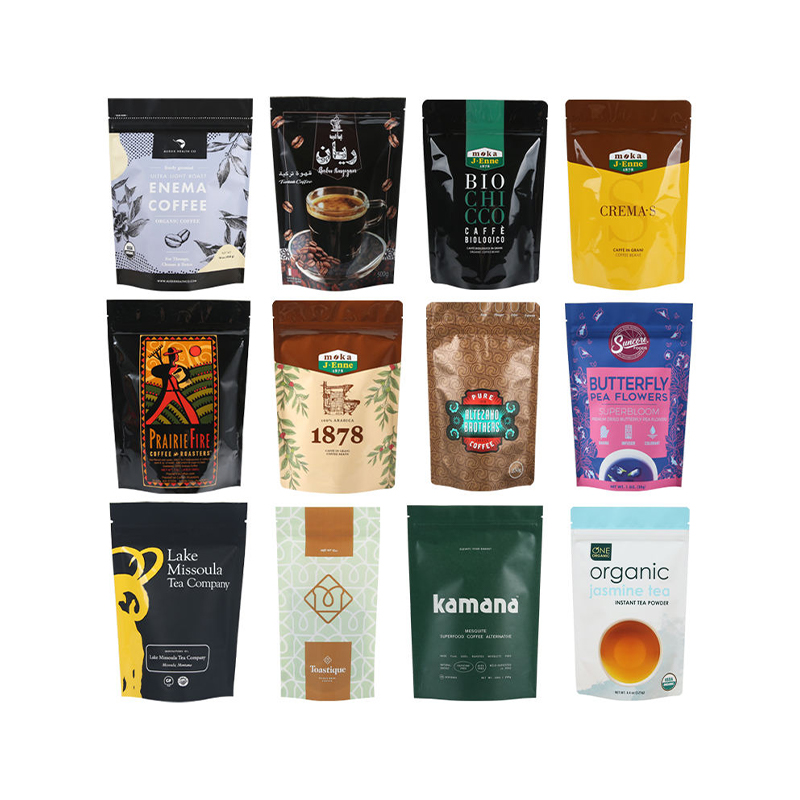
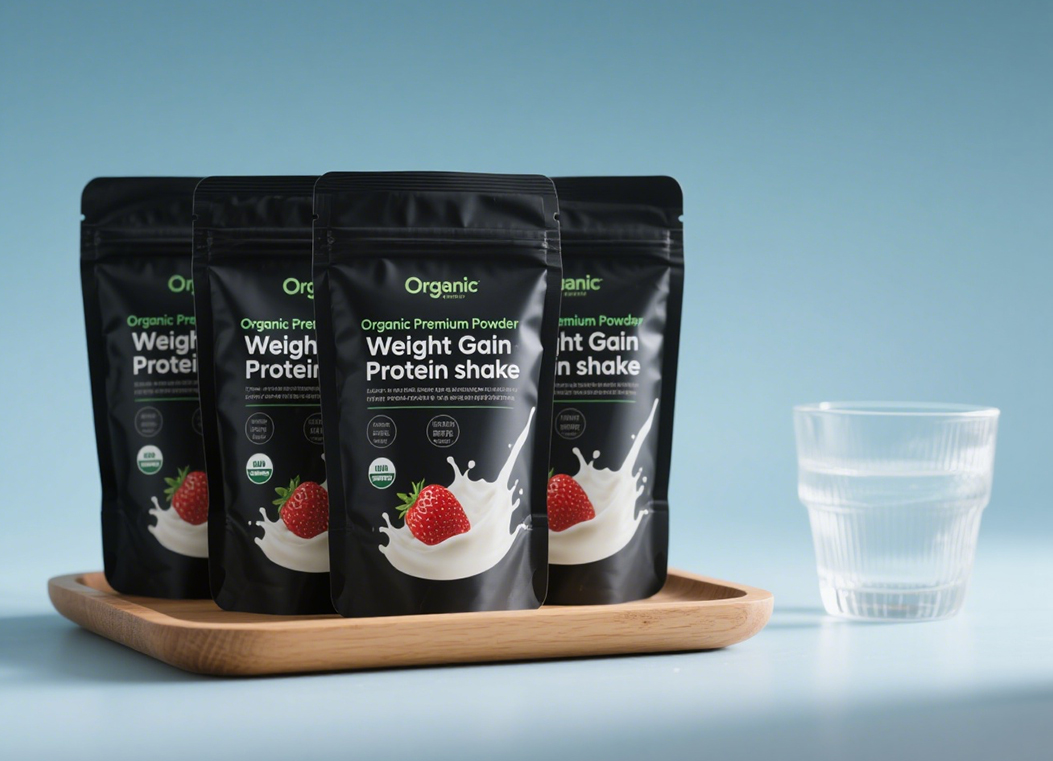
Packaging design significantly affects consumer choices. Visually appealing and sustainable packaging can attract attention, communicate brand values, and create a positive perception. Clear labeling, recyclable symbols, and minimalistic designs often signal environmental responsibility, encouraging consumers to choose one product over another.
Consumers increasingly associate packaging with quality and ethics. Brands that invest in sustainable design not only appeal to environmentally conscious buyers but also foster trust and loyalty among their target audience.
Visual and Functional Design Considerations
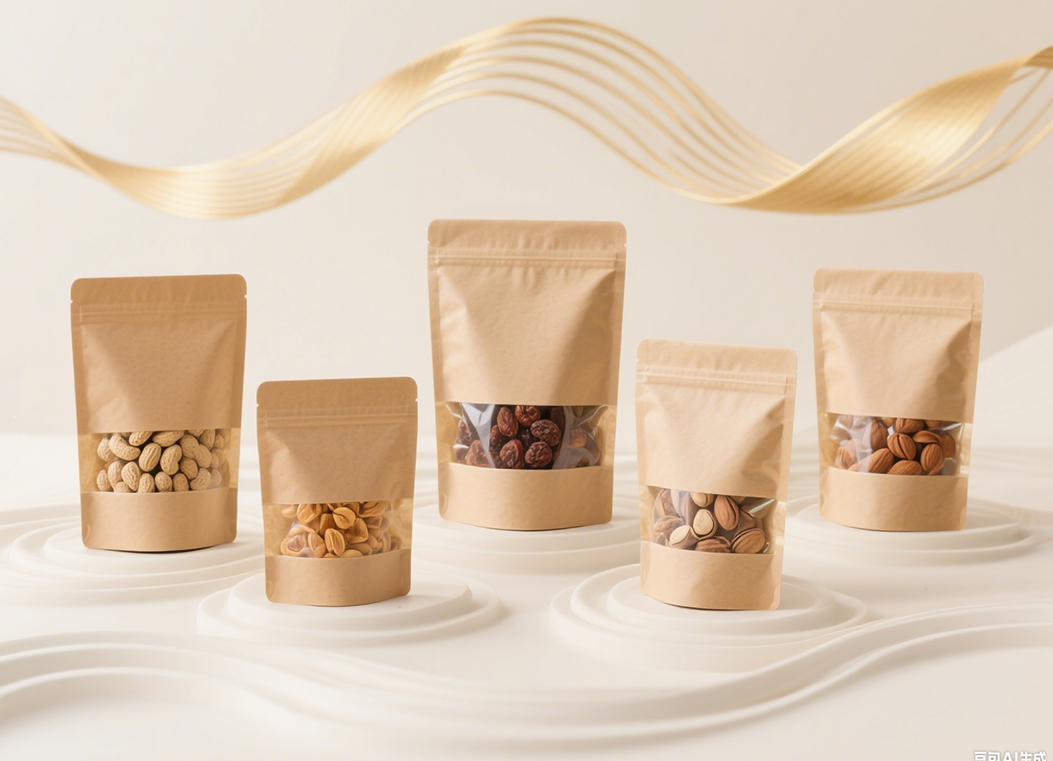
Beyond sustainability, packaging must remain functional and attractive. Practical designs that are easy to open, store, and recycle improve the user experience. Visual cues such as transparent windows, minimalist branding, and tactile textures enhance consumer engagement while signaling environmental mindfulness.
Balancing Cost and Sustainability
One challenge in sustainable packaging design is balancing eco-friendliness with production costs. While recyclable or biodegradable materials may be more expensive, they often justify their value by strengthening brand reputation and meeting consumer demand for responsible products.
Companies must evaluate the lifecycle costs, including material sourcing, manufacturing, and end-of-life processing. Strategic design choices such as reducing material usage, optimizing shapes, and consolidating packaging components can lower costs while maintaining sustainability.
Innovative Packaging Design Strategies
Several strategies are emerging to enhance sustainability and consumer appeal simultaneously:
- Modular packaging that can be reused or repurposed for storage.
- Minimalist designs that reduce material use without compromising aesthetics.
- Interactive packaging with QR codes or augmented reality to educate consumers on sustainability.
- Smart packaging for tracking supply chains and recycling processes.
Case Studies of Sustainable Packaging Success
Leading brands have demonstrated how sustainable packaging influences consumer choice:
| Brand | Sustainability Approach | Consumer Impact |
| Brand A | Biodegradable packaging | Increased loyalty and repeat purchases |
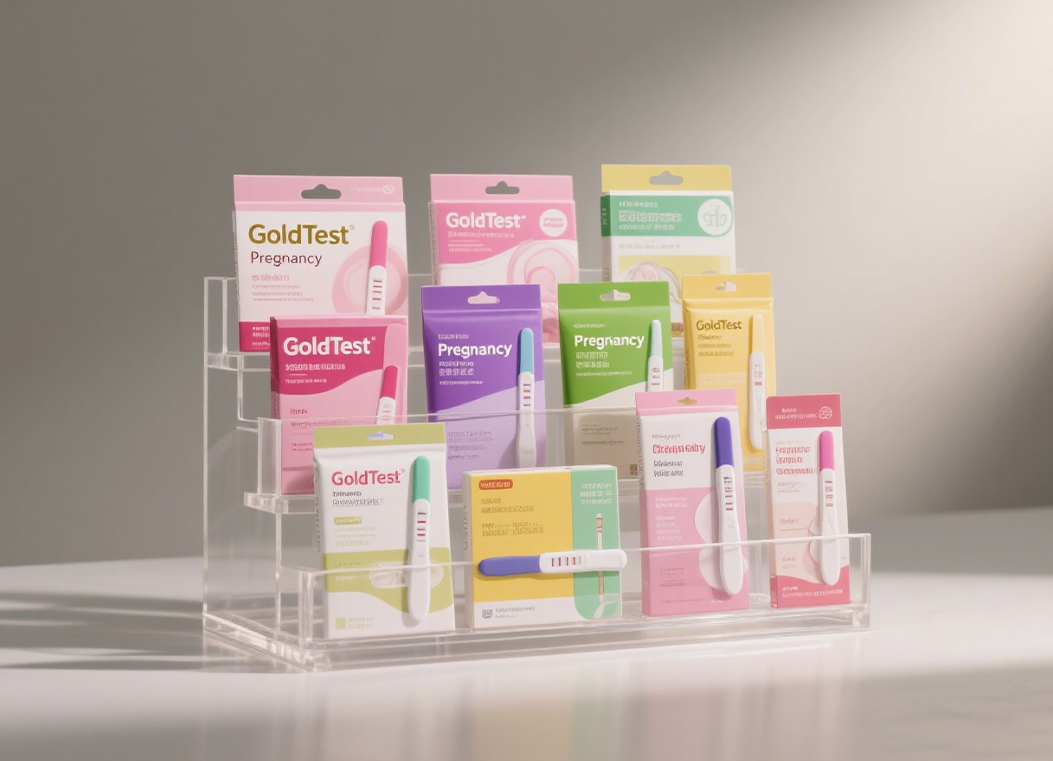
| Brand B | Minimalist recyclable cartons | Enhanced shelf visibility and brand perception |
| Brand C | Refillable containers | Consumer engagement and reduced waste |
Future Trends in Packaging Design
The future of packaging design lies in combining innovation, sustainability, and consumer-centered strategies. Emerging trends include biodegradable composites, smart sensors for supply chain transparency, and customizable packaging that enhances user experience while minimizing environmental impact.
As regulations and consumer expectations evolve, businesses adopting forward-thinking packaging design will gain competitive advantages in both sustainability and brand loyalty.
Conclusion: Packaging Design as a Strategic Tool
Packaging design significantly influences sustainability and consumer choice. By integrating eco-friendly materials, functional usability, and visual appeal, businesses can reduce environmental impact while appealing to conscious consumers. Strategic packaging design enhances brand perception, drives purchasing decisions, and supports long-term loyalty.
Ultimately, the integration of sustainability into packaging design is no longer optional but a vital component of modern marketing and product development strategies, shaping both consumer behavior and industry practices.