 English
 Español
 عربى
عربىContent
- 1 Introduction: The Rise of Sustainable Self-Standing Packaging
- 2 Materials and Eco-Friendly Innovations
- 3 Design Advantages of Self-Standing Bags
- 4 Market Trends and Consumer Behavior
- 5 Sustainability Practices in Production
- 6 Cost and Business Impact
- 7 Future Trends and Opportunities
- 8 Conclusion: Driving Consumer Adoption through Sustainability
Introduction: The Rise of Sustainable Self-Standing Packaging
Self-standing packaging bags, also known as stand-up pouches, have become a popular choice for brands seeking both convenience and sustainability. Their ability to stand upright on shelves, combined with resealable features, improves product visibility and consumer usability. As environmentally conscious consumers increasingly influence purchasing decisions, brands are turning to sustainable materials and innovative designs to reduce plastic waste, enhance recyclability, and maintain packaging functionality. This article delves into material innovations, design advantages, market trends, sustainability practices, and future prospects for self-standing packaging bags.
Materials and Eco-Friendly Innovations
Sustainable self-standing packaging bags are crafted from renewable, recyclable, or biodegradable materials. Options include compostable bioplastics, recycled polyethylene (rPE), paper laminates, and plant-based polymers. These materials maintain durability and barrier protection while reducing environmental impact. Some manufacturers also incorporate water-based inks and solvent-free adhesives to further minimize ecological footprint.
Material Performance Considerations
Eco-friendly materials must provide sufficient tensile strength, puncture resistance, and barrier properties to protect food, beverages, or consumer goods. Advanced multilayer laminates combine a thin biodegradable polymer with paper or aluminum layers to ensure oxygen and moisture protection, while remaining compostable or recyclable in industrial facilities. Material testing protocols include shelf-life simulations, mechanical stress testing, and seal integrity verification to guarantee consistent performance.
Design Advantages of Self-Standing Bags
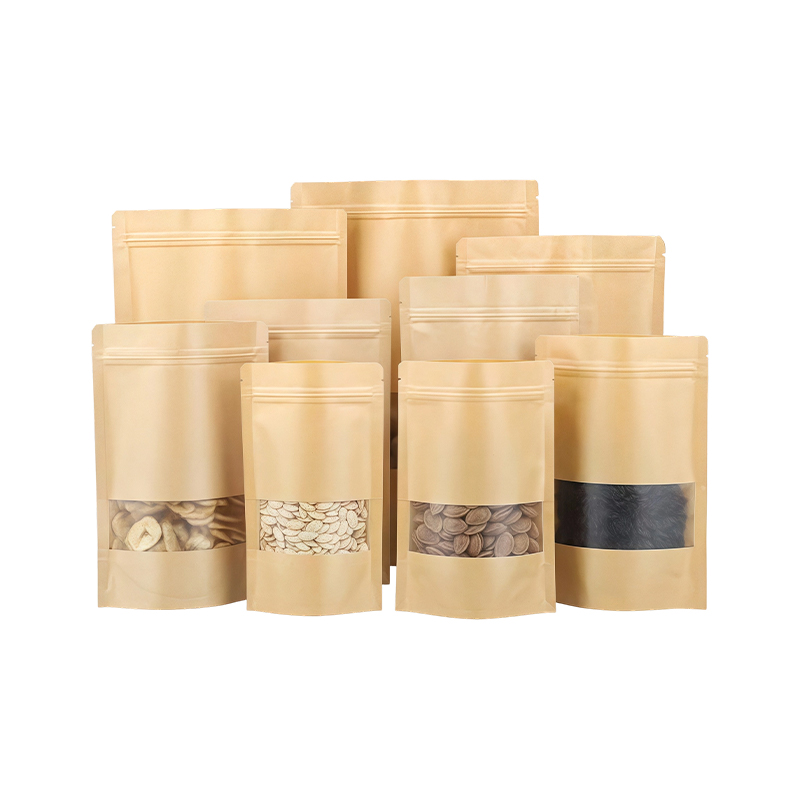
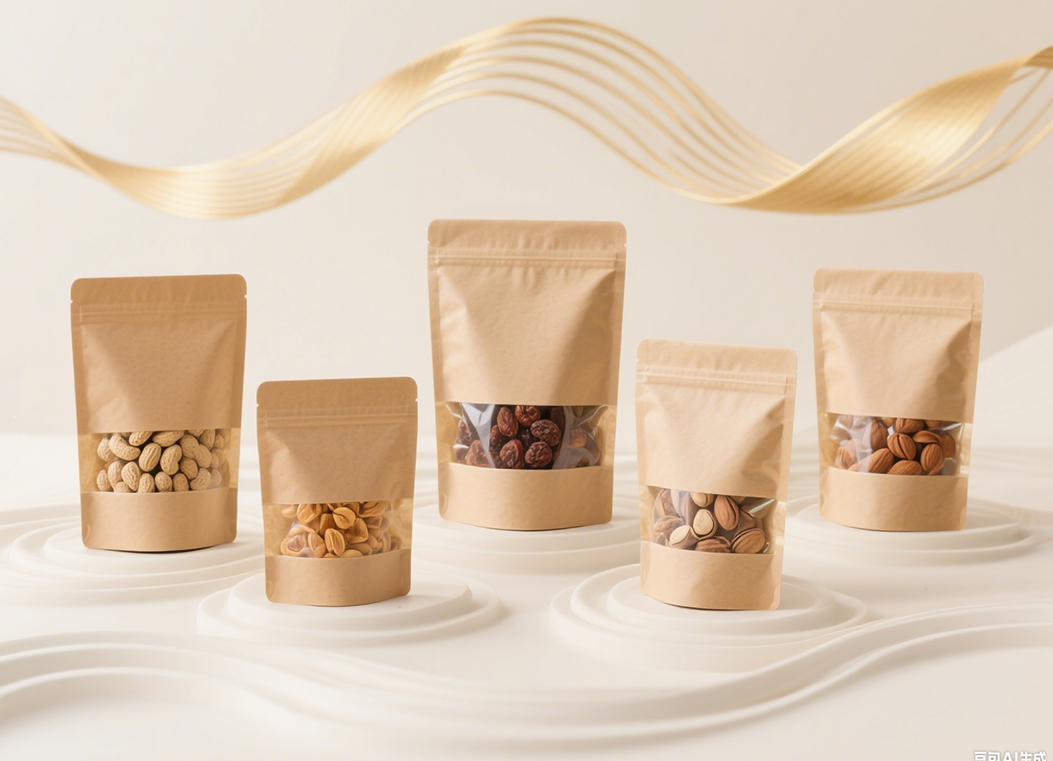
The functional design of self-standing packaging bags improves both consumer experience and retail display efficiency. Gusseted bottoms allow bags to remain upright without additional support, maximizing shelf space and brand visibility. Resealable zippers, spouts, and tear notches enhance usability by maintaining product freshness and convenience for repeated use.
Key Design Features
- Flat-bottom gussets for stable shelf placement and stackability.
- Resealable closures to extend product shelf-life after opening.
- Transparent windows for product visibility while maintaining barrier protection.
Market Trends and Consumer Behavior
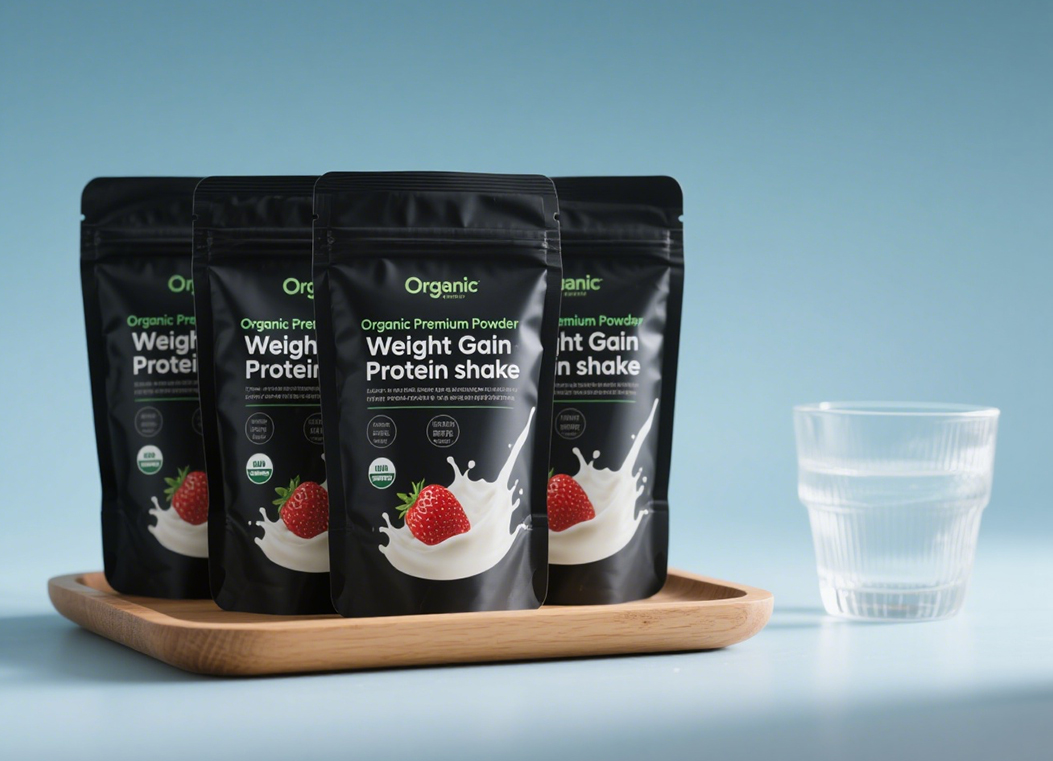
The demand for sustainable self-standing packaging bags is driven by both B2B and B2C trends. Retailers prioritize eco-friendly packaging to align with corporate sustainability goals, while consumers increasingly prefer brands demonstrating environmental responsibility. Product categories such as organic foods, snacks, coffee, pet food, and personal care items are adopting self-standing pouches to enhance convenience and sustainability simultaneously.
Consumer Preferences
- Eco-conscious shoppers seek recyclable, reusable, or compostable packaging options.
- Convenience-focused consumers value resealable and easy-to-pour designs.
- Retailers monitor packaging footprint to improve sustainability ratings and reduce supply chain impact.
Sustainability Practices in Production
Manufacturers of sustainable self-standing packaging bags adopt green production practices, including minimizing energy consumption, reducing water usage, and employing solvent-free printing technologies. Life cycle assessments (LCA) are used to quantify environmental impact from raw material sourcing to end-of-life disposal. Collaborative initiatives with recycling organizations and regulatory compliance with global standards, such as FSC-certified paper or EN13432 compostability, enhance brand credibility and consumer trust.
Production Strategies
- Sourcing renewable or recycled materials to reduce dependency on virgin plastics.
- Implementing energy-efficient printing and lamination processes.
- Designing packaging for recyclability or compostability to support circular economy goals.
Cost and Business Impact
While sustainable materials may carry higher initial costs compared to conventional plastics, the long-term benefits include enhanced brand loyalty, regulatory compliance, and positive environmental impact. Brands investing in eco-friendly packaging gain marketing advantages, improve consumer perception, and often benefit from reduced waste management costs due to recyclable or compostable materials.
Example Cost Comparison Table
| Metric | Conventional Plastic Bag | Sustainable Self-Standing Bag |
| Material Cost | Low | Moderate |
| Consumer Appeal | Moderate | High |
| Environmental Impact | High | Low |
| Shelf Visibility | Standard | Enhanced |
Future Trends and Opportunities
The future of self-standing packaging bags is closely linked to sustainability innovation, smart packaging, and consumer engagement. Opportunities include fully compostable multi-layer films, integration with QR codes for recycling instructions, and adoption of lightweight materials to reduce transportation emissions. Brands that combine environmental responsibility with functional design will continue to attract conscious consumers and lead market growth.
Conclusion: Driving Consumer Adoption through Sustainability
Sustainable self-standing packaging bags offer a practical, eco-friendly solution that meets consumer demand for convenience, durability, and environmental responsibility. By leveraging innovative materials, functional designs, and responsible production practices, brands can enhance shelf appeal, reduce environmental impact, and strengthen consumer loyalty. The adoption of these bags represents a tangible step toward a circular economy and a sustainable packaging future.