 English
 Español
 عربى
عربىContent
- 1 Introduction to Vacuum Seal Bags
- 2 Reduction of Bacterial Growth
- 3 Prevention of Oxidation and Spoilage
- 4 Protection Against Cross-Contamination
- 5 Extended Shelf Life and Waste Reduction
- 6 Compatibility with Refrigeration and Freezing
- 7 Practical Use in Sous Vide Cooking
- 8 Material Safety and Durability
- 9 Comparison of Food Safety Benefits
- 10 Conclusion
Introduction to Vacuum Seal Bags
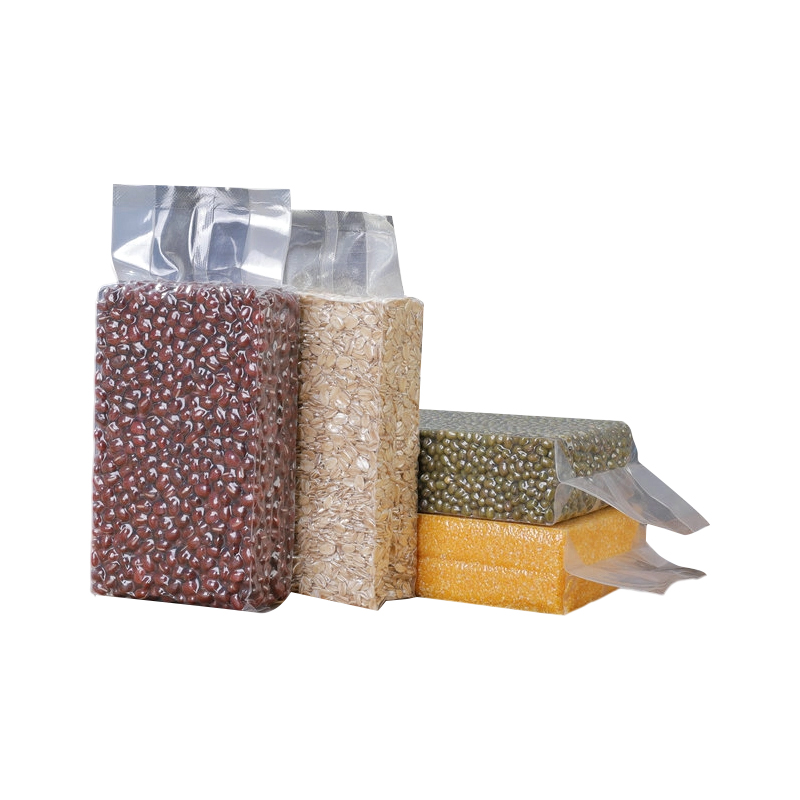
Vacuum seal bags are specially designed storage bags that remove air from the package before sealing, creating a vacuum environment. This process minimizes exposure to oxygen, bacteria, and other contaminants, making them an essential tool for improving food safety. Beyond extending shelf life, vacuum sealing prevents cross-contamination, preserves nutrients, and reduces spoilage. In this article, we explore the advantages of vacuum seal bags in terms of food safety and practical applications in households and commercial settings.
Reduction of Bacterial Growth
One of the main benefits of vacuum seal bags is their ability to limit bacterial growth. Many foodborne pathogens, such as Salmonella, E. coli, and Listeria, require oxygen to multiply. By removing air from the packaging, vacuum sealing:
- Slows the growth of aerobic bacteria, reducing the risk of foodborne illness.
- Limits mold formation on perishable items such as cheese, fruits, and baked goods.
- Maintains freshness for extended periods by creating a controlled environment.
- Allows safe storage of meats and seafood in refrigeration or freezing conditions.
Prevention of Oxidation and Spoilage
Exposure to oxygen is a key factor in food spoilage. Oxidation can degrade flavors, colors, and nutritional value, while also promoting bacterial growth. Vacuum seal bags reduce this risk by:
- Maintaining natural color and flavor of vegetables, fruits, and cooked foods.
- Protecting fatty foods from rancidity caused by oxidation.
- Preserving vitamins and antioxidants that are sensitive to air exposure.
- Minimizing moisture loss, preventing dehydration and texture changes.
Protection Against Cross-Contamination
Cross-contamination occurs when harmful bacteria or allergens transfer between foods. Vacuum seal bags reduce this risk by:
- Sealing foods in isolated compartments, preventing contact with other items in the refrigerator or freezer.
- Reducing the likelihood of leaks or drips that spread pathogens.
- Providing a hygienic barrier during transportation or storage.
- Ensuring allergen-containing foods are safely segregated from sensitive items.
Extended Shelf Life and Waste Reduction
Vacuum seal bags significantly extend the shelf life of perishable and non-perishable foods, which enhances food safety and reduces waste:
- Fresh meats, poultry, and seafood can last 2–3 times longer in vacuum-sealed packaging.
- Vegetables and fruits retain freshness for weeks when sealed properly.
- Leftovers and prepared meals remain safe to consume for longer periods.
- Minimized spoilage translates into lower risk of consuming contaminated food.
Compatibility with Refrigeration and Freezing
Vacuum seal bags are particularly effective when combined with refrigeration or freezing. Their airtight design prevents ice crystal formation, freezer burn, and bacterial contamination. Advantages include:
- Maintains texture and flavor of frozen meats, fish, and vegetables.
- Reduces risk of freezer burn, which can degrade quality and safety.
- Prevents liquid leakage, reducing contamination of other foods.
- Enables long-term storage without compromising food safety.
Practical Use in Sous Vide Cooking
Vacuum seal bags are widely used in sous vide cooking, where foods are sealed and cooked in precise temperature-controlled water baths. This method offers both culinary and safety benefits:
- Reduces bacterial exposure by sealing foods completely during cooking.
- Ensures even cooking without contact with external contaminants.
- Preserves nutrients and natural juices, enhancing both safety and quality.
- Facilitates storage of pre-prepared meals in a hygienic manner before cooking.
Material Safety and Durability
The safety of vacuum seal bags themselves is crucial for food safety. High-quality bags are made from food-grade, BPA-free, and FDA-approved materials. Their advantages include:
- Resistance to punctures and tears, preventing air and contaminant intrusion.
- Safe for use in refrigeration, freezing, and sous vide cooking.
- Durable enough for repeated handling without compromising seal integrity.
- Non-reactive materials that do not leach chemicals into food.
Comparison of Food Safety Benefits
The following table summarizes key advantages of vacuum seal bags in relation to traditional storage methods:
| Feature | Traditional Storage | Vacuum Seal Bags |
| Oxygen Exposure | High, accelerates spoilage | Minimal, slows oxidation and bacterial growth |
| Cross-Contamination | Possible, due to open containers | Reduced, airtight sealing prevents contact |
| Shelf Life | Short, perishable quickly | Extended, retains freshness for longer |
| Freezer Burn | Common | Rare, protective vacuum environment |
| Foodborne Illness Risk | Higher, due to contamination | Lower, limits bacterial growth |
Conclusion
Vacuum seal bags offer multiple advantages in terms of food safety. By reducing oxygen exposure, preventing bacterial growth, and protecting against cross-contamination, they significantly extend shelf life and reduce the risk of foodborne illnesses. Whether for household use, commercial kitchens, or sous vide cooking, vacuum seal bags are an essential tool for maintaining food quality, safety, and freshness.