 English
 Español
 عربى
عربىContent
Introduction: Importance of Tear and Puncture Resistance
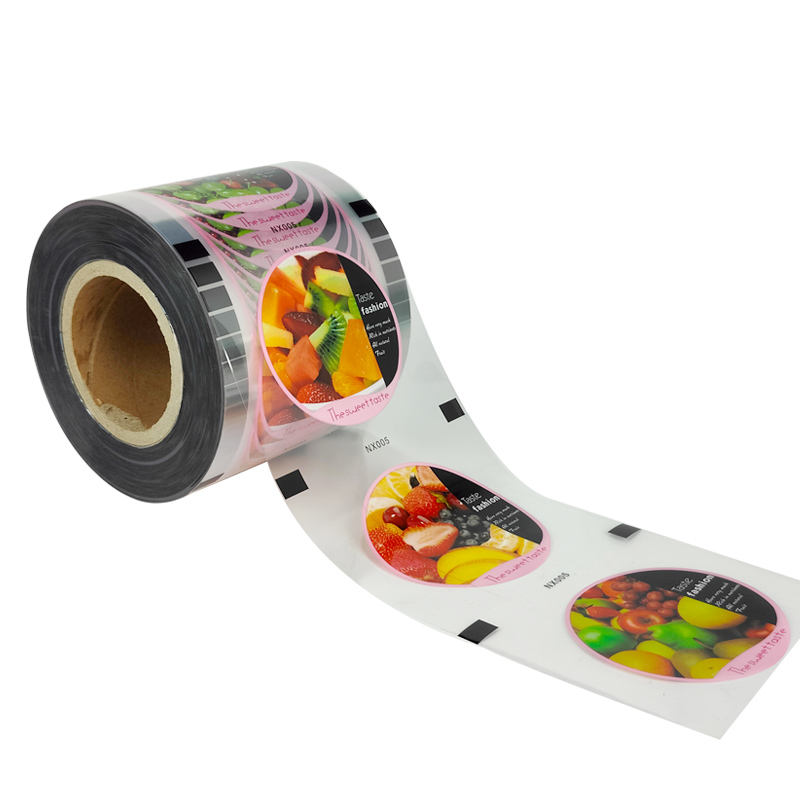
Packaging roll film plays a critical role in protecting products during storage, handling, and transportation. Its tear and puncture resistance directly affects the safety and integrity of the packaged goods. Businesses rely on high-performance roll films to prevent product damage, reduce waste, and maintain consumer satisfaction. Understanding the factors influencing film strength and methods to enhance durability is essential for manufacturers, distributors, and packaging engineers.
Materials Used in Packaging Roll Film
The resistance of packaging roll film is closely related to the materials used in its production. Common materials include polyethylene (PE), polypropylene (PP), polyvinyl chloride (PVC), and biodegradable polymers. Each material has unique mechanical properties affecting tear and puncture resistance.
Polyethylene (PE)
PE films are widely used due to their flexibility, moisture resistance, and moderate strength. Low-density polyethylene (LDPE) provides excellent stretchability, while high-density polyethylene (HDPE) offers better puncture resistance. By optimizing polymer density and thickness, manufacturers can produce films with higher tear and puncture durability suitable for heavy products.
Polypropylene (PP)
PP films are known for their stiffness and clarity. They offer superior puncture resistance compared to LDPE but are less flexible. Biaxially oriented polypropylene (BOPP) enhances mechanical strength, making it ideal for packaging sharp-edged or irregular products without compromising film integrity.
PVC and Biodegradable Films
PVC films provide moderate tear resistance and good transparency but are less flexible than PE. Biodegradable films, such as PLA-based materials, are improving in strength but may still be prone to puncture under high stress. Material selection should balance durability, environmental requirements, and cost.
Factors Affecting Tear and Puncture Resistance
Several factors influence the mechanical resistance of packaging roll films, including film thickness, processing technology, additives, and environmental conditions.
- Film Thickness: Thicker films generally provide higher tear and puncture resistance, but excessive thickness can reduce flexibility and increase costs.
- Processing Methods: Blown and cast film processes affect polymer alignment, crystallinity, and stress distribution, influencing overall strength.
- Additives and Reinforcements: Anti-blocking agents, plasticizers, or reinforcing fibers can improve tear resistance and prevent punctures without compromising flexibility.
- Environmental Factors: Temperature extremes, UV exposure, and moisture can weaken films, making them more susceptible to tearing or puncturing.
Testing Tear and Puncture Resistance
Evaluating film strength requires standardized testing methods to ensure reliability and compliance with industry requirements.
Tear Resistance Tests
Tear resistance is typically measured using the Elmendorf tear test or the trouser tear test. These tests quantify the force required to propagate an initial tear, providing an indication of the film’s ability to withstand accidental ripping during handling.
Puncture Resistance Tests
Puncture resistance tests measure the force needed to penetrate the film with a standardized probe or pin. Higher puncture resistance indicates the film’s ability to protect products from sharp objects or mechanical impact during storage and transport.
Enhancing Film Durability
Manufacturers can enhance tear and puncture resistance through several practical strategies:
- Blending Polymers: Combining different polymers can optimize flexibility and strength, offering a balanced performance for various packaging needs.
- Orientation Techniques: Biaxial orientation aligns polymer chains in two directions, significantly increasing tensile strength and tear resistance.
- Reinforcements: Adding microfibers or mesh layers can enhance puncture resistance, especially for packaging heavy or sharp-edged products.
- Surface Treatments: Coatings or laminates can improve mechanical resistance while maintaining transparency or other functional properties.
Practical Applications and Considerations
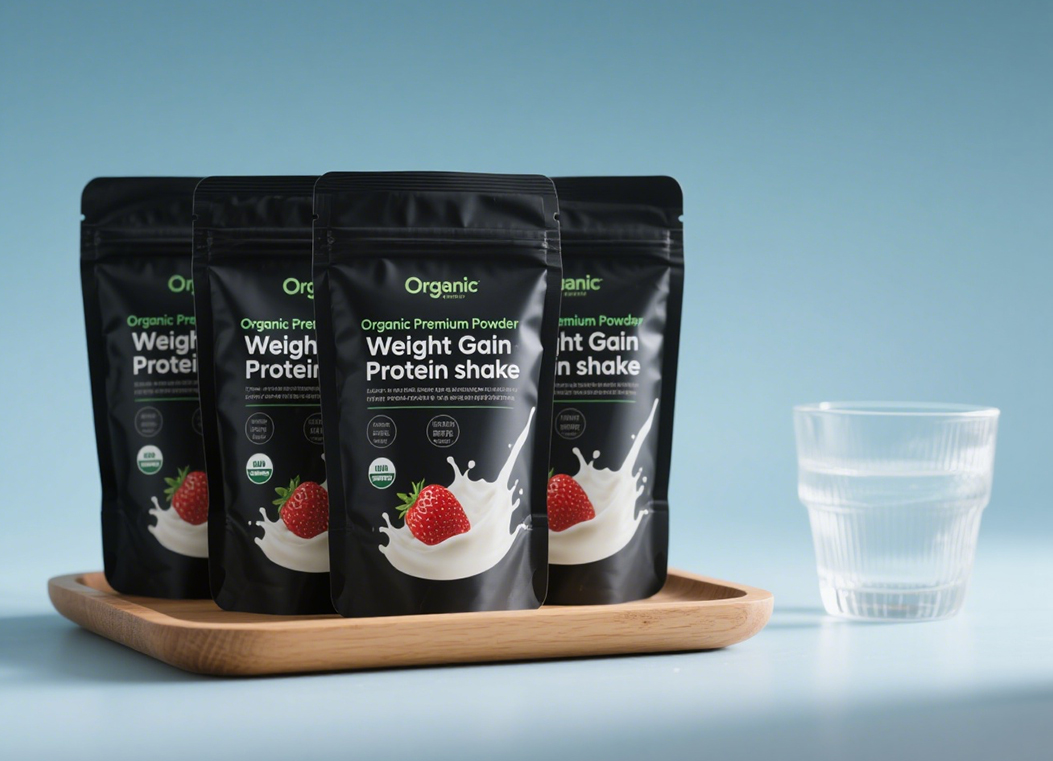
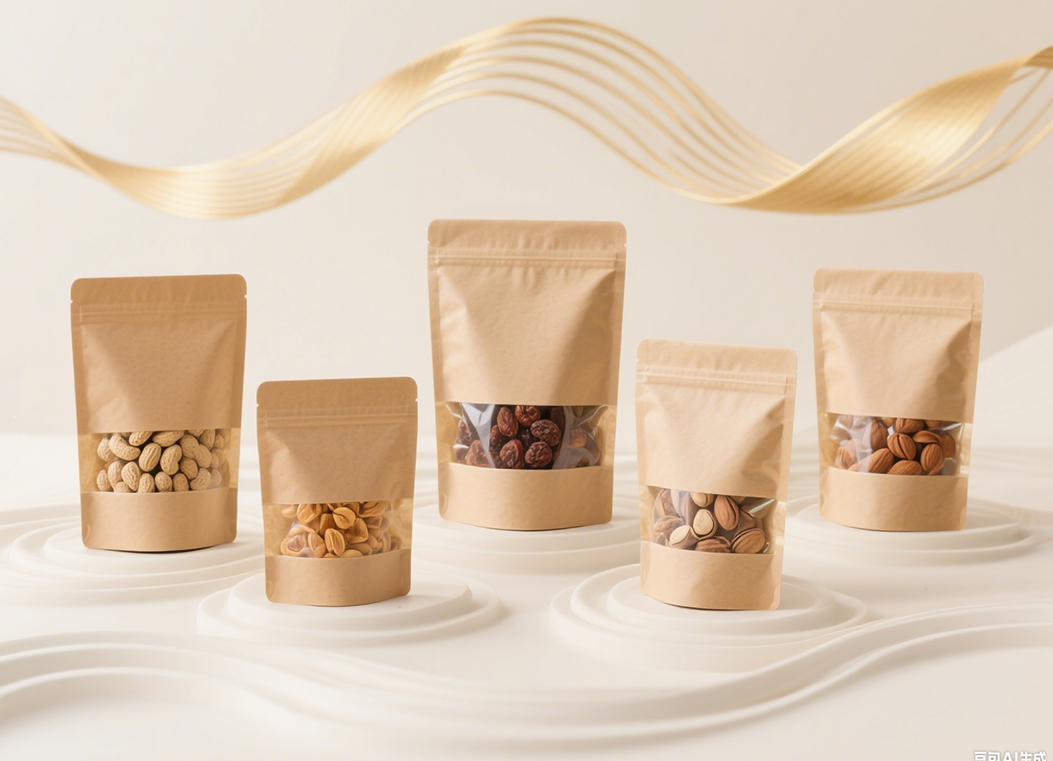
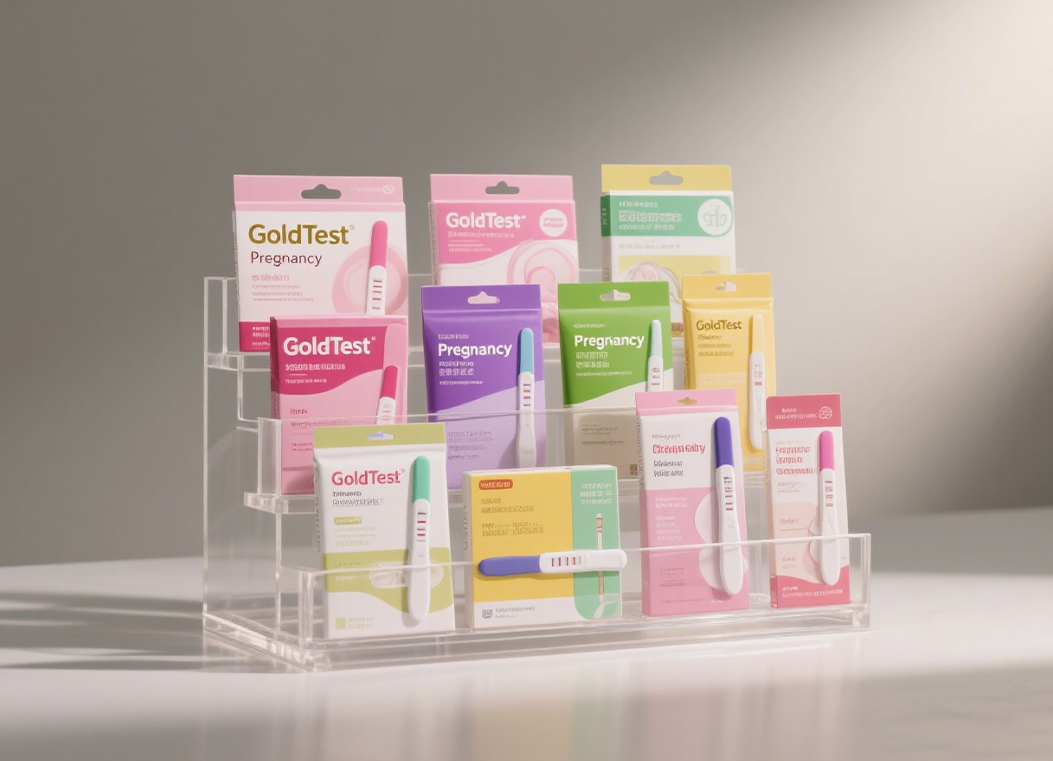
High tear and puncture resistance make packaging roll film suitable for a wide range of products, including food, electronics, furniture, and industrial components. Choosing the appropriate film type requires considering product weight, sharpness, environmental exposure, and packaging machinery compatibility. Optimized films reduce product damage, minimize waste, and improve logistics efficiency.
Conclusion
The tear and puncture resistance of packaging roll film is determined by material selection, processing methods, thickness, and environmental factors. By understanding these factors and applying modern reinforcement and orientation techniques, manufacturers can produce durable films that protect products effectively. High-performance packaging roll films enhance supply chain reliability, reduce losses, and ensure customer satisfaction across various industries.