 English
 Español
 عربى
عربىContent
- 1 Introduction: The Role of Vacuum Seal Bags in Food Preservation
- 2 How Vacuum Seal Bags Extend Shelf Life
- 3 Shelf Life Extension by Food Type
- 4 Factors Affecting Shelf Life
- 5 Practical Tips for Using Vacuum Seal Bags
- 6 Commercial Applications of Vacuum Seal Bags
- 7 Conclusion: Maximizing Food Shelf Life with Vacuum Seal Bags
Introduction: The Role of Vacuum Seal Bags in Food Preservation
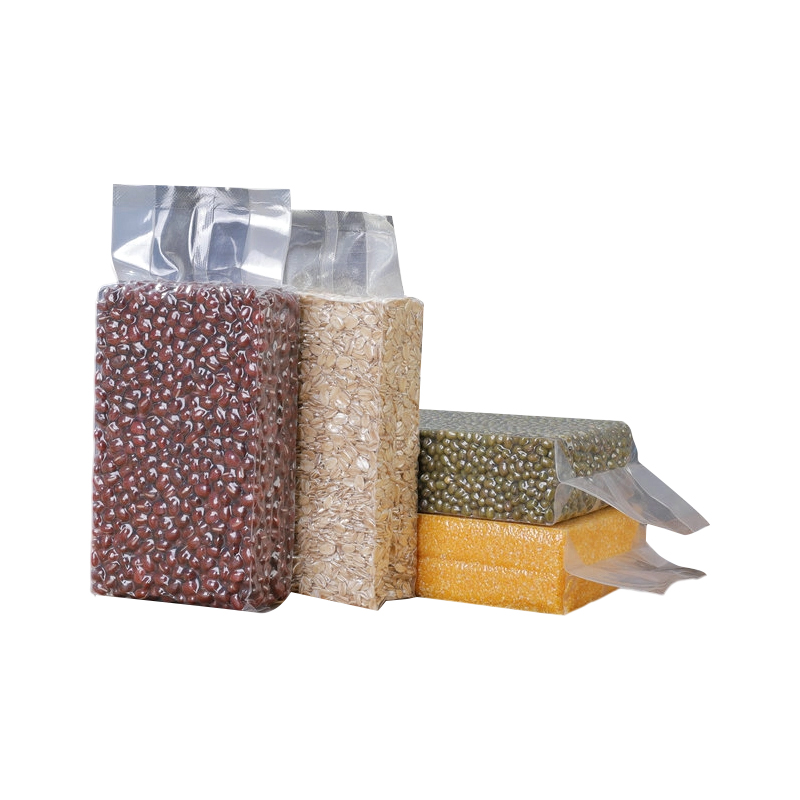
Vacuum seal bags have become an essential tool for preserving food freshness and extending shelf life. By removing air and sealing the food tightly, these bags minimize oxidation, moisture loss, and bacterial growth. This article explores how vacuum seal bags work, factors affecting food longevity, and practical usage tips for maximizing storage efficiency at home or in commercial settings.
How Vacuum Seal Bags Extend Shelf Life
The main principle behind vacuum sealing is the removal of air around the food, particularly oxygen. Oxygen is a key factor in food spoilage, promoting the growth of bacteria, mold, and yeast, as well as triggering oxidation reactions that degrade flavor, color, and nutrients.
Key Mechanisms
- Oxygen Reduction: Slows down aerobic bacterial growth, extending freshness.
- Moisture Retention: Prevents dehydration and freezer burn in frozen foods.
- Flavor and Nutrient Preservation: Maintains taste, aroma, and nutrient content by reducing oxidation.
Shelf Life Extension by Food Type
The effectiveness of vacuum seal bags depends on the type of food and storage conditions. Proper sealing combined with refrigeration or freezing can significantly extend shelf life.
Typical Shelf Life Comparisons
| Food Type | Refrigerated (Vacuum Sealed) | Refrigerated (Unsealed) | Frozen (Vacuum Sealed) | Frozen (Unsealed) |
| Raw Meat | 1–2 weeks | 3–5 days | 2–3 years | 6–12 months |
| Cheese | 4–8 weeks | 1–2 weeks | 6–12 months | 2–3 months |
| Fruits & Vegetables | 1–2 weeks | 3–7 days | 1–2 years | 6–12 months |
Factors Affecting Shelf Life
Several factors determine how long vacuum seal bags can preserve food, including storage temperature, initial food quality, and proper sealing technique.
Key Factors
- Temperature: Refrigeration slows bacterial growth, while freezing preserves food for years.
- Food Quality: Fresher foods at the time of sealing last longer.
- Seal Integrity: Proper vacuum sealing prevents air infiltration and maintains freshness.
- Moisture and Fat Content: High-fat foods can oxidize faster even in vacuum conditions.
Practical Tips for Using Vacuum Seal Bags
To maximize the effectiveness of vacuum seal bags, proper usage techniques are essential.
Best Practices
- Freeze liquids in small portions to prevent spillage and ensure proper sealing.
- Avoid overfilling bags, leaving enough space for air removal and proper sealing.
- Label and date each bag to track storage time.
- Use high-quality, BPA-free vacuum bags to maintain food safety and durability.
Commercial Applications of Vacuum Seal Bags
Beyond home use, vacuum seal bags are widely used in restaurants, catering, and food production industries. They support sous-vide cooking, bulk storage, and transportation of perishable items while maintaining quality and safety.
Advantages for Businesses
- Reduces food waste by extending product shelf life.
- Facilitates efficient inventory management and portion control.
- Maintains freshness during transportation and storage, improving customer satisfaction.
Conclusion: Maximizing Food Shelf Life with Vacuum Seal Bags
Vacuum seal bags are an effective solution for prolonging the shelf life of various foods. By reducing oxygen exposure, retaining moisture, and preventing spoilage, these bags preserve freshness, flavor, and nutrients. Whether for home use or commercial applications, proper sealing techniques, storage conditions, and high-quality materials ensure the maximum benefit from vacuum sealing technology.