 English
 Español
 عربى
عربىContent
- 1 Introduction: the importance of protective packaging films
- 2 Materials used in packaging roll films for protection
- 3 Moisture protection mechanisms
- 4 Dust protection strategies
- 5 Oxidation protection methods
- 6 Additives and surface treatments enhancing protection
- 7 Quality control and performance testing
- 8 Conclusion: achieving comprehensive protection with advanced films
Introduction: the importance of protective packaging films
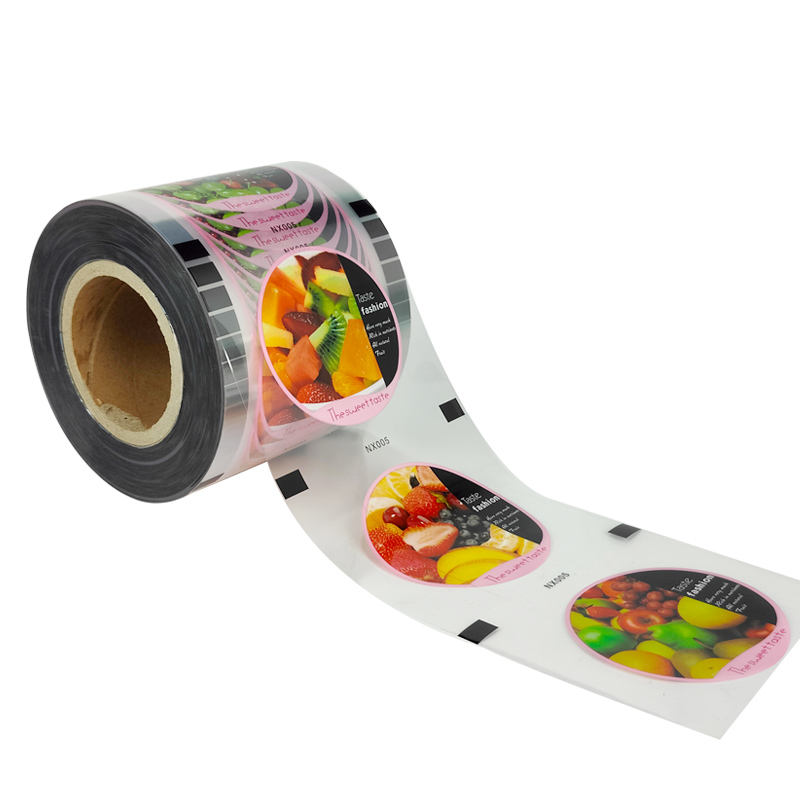
Packaging roll film plays a critical role in preserving the quality and shelf life of various products. For industries such as food, pharmaceuticals, electronics, and cosmetics, protecting products from moisture, dust, and oxidation is essential to prevent spoilage, contamination, and degradation. Modern packaging films combine advanced polymer materials, barrier coatings, and multilayer structures to ensure comprehensive protection under diverse storage and transportation conditions. This article explores how packaging roll films achieve these protective functions.
Materials used in packaging roll films for protection
The foundation of a protective packaging roll film lies in its material composition. Common polymers used include polyethylene (PE), polypropylene (PP), polyethylene terephthalate (PET), and polyvinylidene chloride (PVDC). Each material offers unique barrier properties. PE provides excellent moisture resistance, PET contributes strength and dimensional stability, PP is highly resistant to chemical exposure, and PVDC enhances oxygen and aroma barrier performance. By selecting appropriate materials, manufacturers can tailor films for specific product protection requirements.
Multilayer film structures
Many packaging films utilize multilayer structures to combine the benefits of different polymers. For example, a three-layer film may include an inner PE layer for moisture resistance, a PET core for mechanical strength, and a PVDC outer layer for oxygen barrier. Co-extrusion technology allows these layers to be fused seamlessly, ensuring no gaps or weak points that could compromise protection.
Moisture protection mechanisms
Moisture can significantly impact product quality, causing spoilage, loss of crispness, or degradation. Packaging roll films achieve moisture protection through dense polymer structures and hydrophobic layers that resist water penetration. High-density polyethylene (HDPE) and linear low-density polyethylene (LLDPE) are commonly used for their low water vapor transmission rates (WVTR). In addition, surface coatings such as acrylic or silicone can further enhance water repellency.
Testing moisture barrier effectiveness
Moisture resistance is measured using standardized tests such as ASTM E96 or ISO 15106, which determine the WVTR of the film. Films with low WVTR values are preferred for products highly sensitive to humidity. Layer thickness, density, and the presence of coatings all influence moisture barrier performance.
Dust protection strategies
Dust and particulate contamination can compromise product safety, especially in pharmaceuticals and electronics. Packaging films prevent dust ingress by providing a continuous, smooth surface with no micro-perforations. Heat-sealing and lamination techniques further enhance the integrity of the film edges, ensuring that the packaged contents remain completely enclosed. Anti-static coatings are also applied to prevent dust attraction in sensitive applications.
Edge sealing and adhesion
Proper sealing is critical for dust protection. Automated heat-sealing machines bond film edges tightly, while adhesive layers in laminated films create an additional barrier. Maintaining uniform sealing pressure and temperature prevents gaps that could allow dust particles to enter the package.
Oxidation protection methods
Oxidation can lead to color changes, loss of flavor, nutrient degradation, and material corrosion. Packaging roll films reduce oxidation through oxygen barrier layers and antioxidant additives. PVDC and ethylene vinyl alcohol (EVOH) layers significantly lower oxygen transmission rates (OTR), maintaining a controlled environment inside the package. Some films also incorporate light-blocking pigments to reduce photo-oxidation.
Controlled atmosphere packaging
In addition to barrier films, controlled atmosphere (CA) and modified atmosphere packaging (MAP) techniques complement oxidation protection. Packaging films with low OTR values retain nitrogen or carbon dioxide environments within the package, slowing oxidative reactions and extending shelf life. This combination of film properties and atmosphere control ensures maximum product preservation.
Additives and surface treatments enhancing protection
Modern packaging films often include additives and coatings to enhance moisture, dust, and oxidation protection. Hydrophobic additives improve water resistance, anti-static agents prevent dust accumulation, and UV stabilizers block light-induced oxidation. Surface treatments such as corona or plasma modification enhance adhesion of barrier coatings and improve overall durability.
Quality control and performance testing
Ensuring the protective performance of packaging roll films requires rigorous quality control. Manufacturers use WVTR and OTR testing, dust penetration tests, and accelerated aging simulations to verify barrier integrity. Visual inspections and automated scanning systems detect micro-defects that could compromise protection. Consistent testing ensures that films meet industry standards and customer specifications.
Conclusion: achieving comprehensive protection with advanced films
Packaging roll films provide essential protection against moisture, dust, and oxidation through careful material selection, multilayer structures, coatings, and controlled manufacturing processes. By integrating hydrophobic layers, oxygen barriers, anti-static coatings, and proper sealing techniques, manufacturers can preserve product quality across diverse industries. Advances in polymer technology and surface treatments continue to enhance protective capabilities, ensuring that packaging films remain an effective and reliable solution for modern supply chains.