 English
 Español
 عربى
عربىContent
Introduction to Stand-Up Zipper Bags
Stand-up zipper bags are a modern packaging solution designed for convenience, durability, and versatility. Unlike traditional plastic bags, they are engineered to stand upright on flat surfaces, providing better organization and ease of access. Their resealable zipper mechanism allows for repeated use and ensures the contents remain fresh, making them suitable for food, household items, cosmetics, and retail products.
Structural Differences
The most apparent difference between stand-up zipper bags and regular plastic bags lies in their construction. Stand-up bags typically feature a gusseted bottom, which expands when filled, allowing the bag to remain upright. Regular plastic bags, on the other hand, are flat and rely on external support for stability.
Gusseted Bottom vs Flat Design
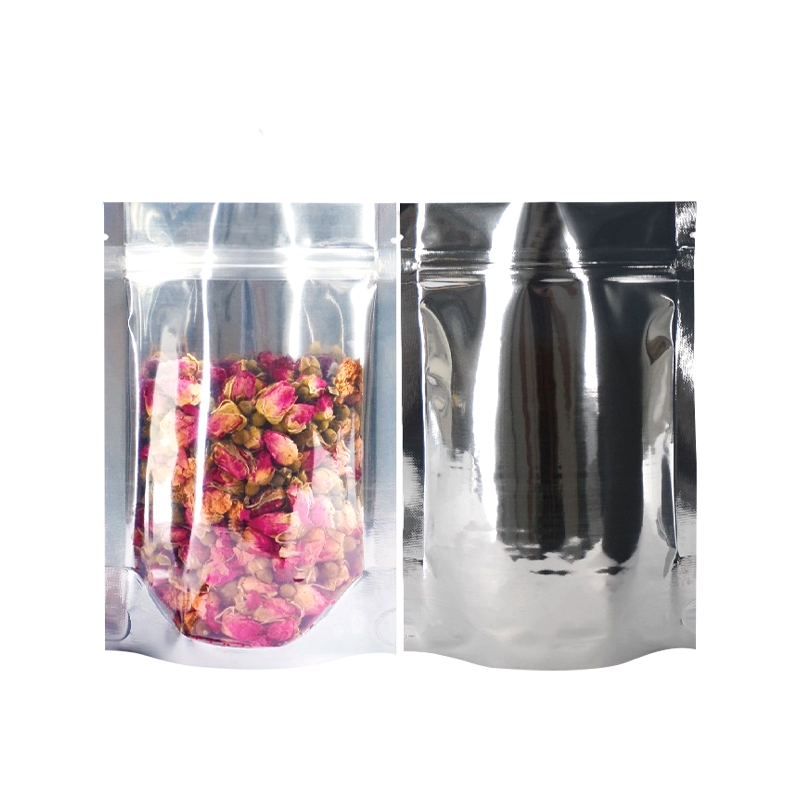
- Stand-up zipper bags: Gusseted bottom enables the bag to stand upright independently.
- Regular plastic bags: Flat design requires stacking or external support to stay upright.
- The upright design improves visibility and organization on shelves or in storage areas.
Zipper Closure vs Open-Ended Bags
Stand-up zipper bags come equipped with a resealable closure, which prevents spills and preserves freshness. Traditional plastic bags often require tying or folding, offering less protection against leakage and contamination. The zipper mechanism also simplifies repeated opening and closing, enhancing convenience for daily use.
Material and Durability
Stand-up zipper bags are generally made from thicker, multi-layer materials such as polyethylene (PE), polypropylene (PP), or laminated films. These materials improve puncture resistance, tear strength, and barrier properties against moisture, oxygen, and odors. Regular plastic bags, often single-layer PE, are more prone to tearing and provide limited protection for the contents.
Barrier Properties and Protection
- Stand-up bags: Multi-layer films enhance resistance to moisture, oxygen, and external odors, prolonging product shelf life.
- Regular bags: Minimal barrier protection, suitable only for short-term storage or carrying lightweight items.
- The durability of stand-up bags makes them ideal for heavier or bulkier products.
Reusability and Environmental Impact
Stand-up zipper bags are designed for repeated use, reducing single-use plastic consumption. Their resealable closure and robust material allow consumers to store items multiple times, from food products to household supplies. Regular plastic bags are often discarded after one use, contributing more significantly to plastic waste and environmental pollution.
Cost Efficiency Over Time
- Stand-up bags: Higher upfront cost but reusable for multiple purposes, saving money over time.
- Regular bags: Cheaper initially but intended for single use, leading to more frequent repurchasing.
- Reusability also aligns with eco-conscious consumer trends and sustainability goals.
Convenience and User Experience
Stand-up zipper bags provide superior convenience compared to traditional plastic bags. They can be easily opened and closed with one hand, maintain shape when filled, and are easier to organize in pantries, refrigerators, or retail displays. Regular plastic bags require additional handling, folding, or tying, making them less user-friendly.
Storage and Organization
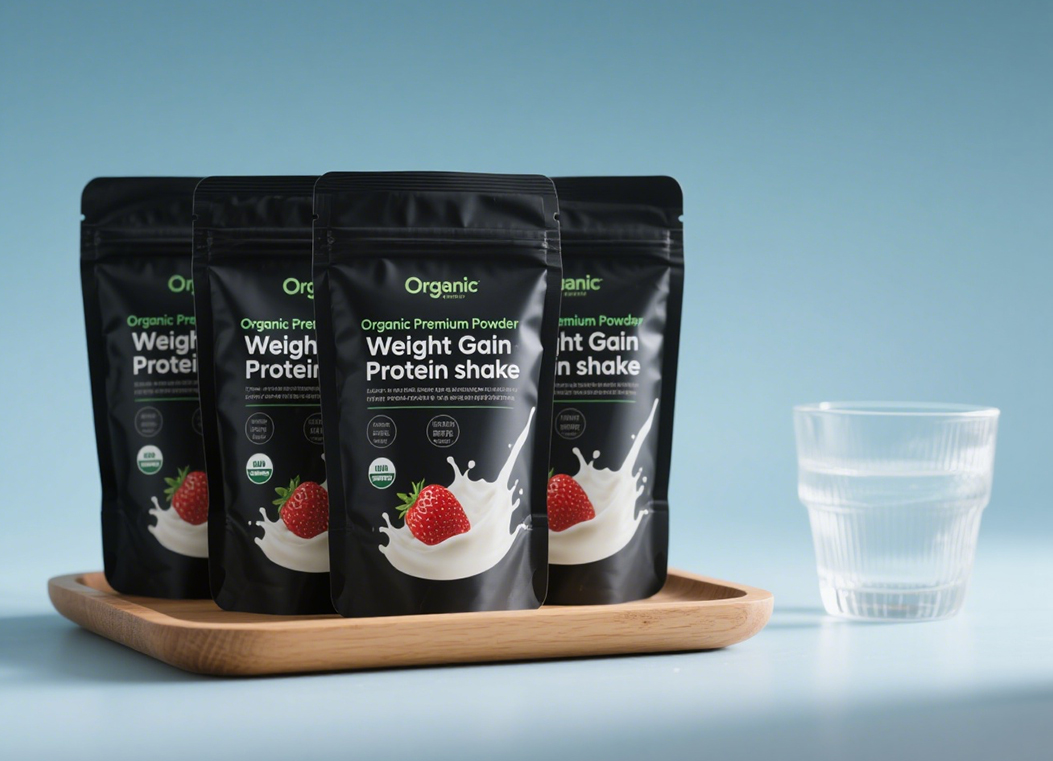
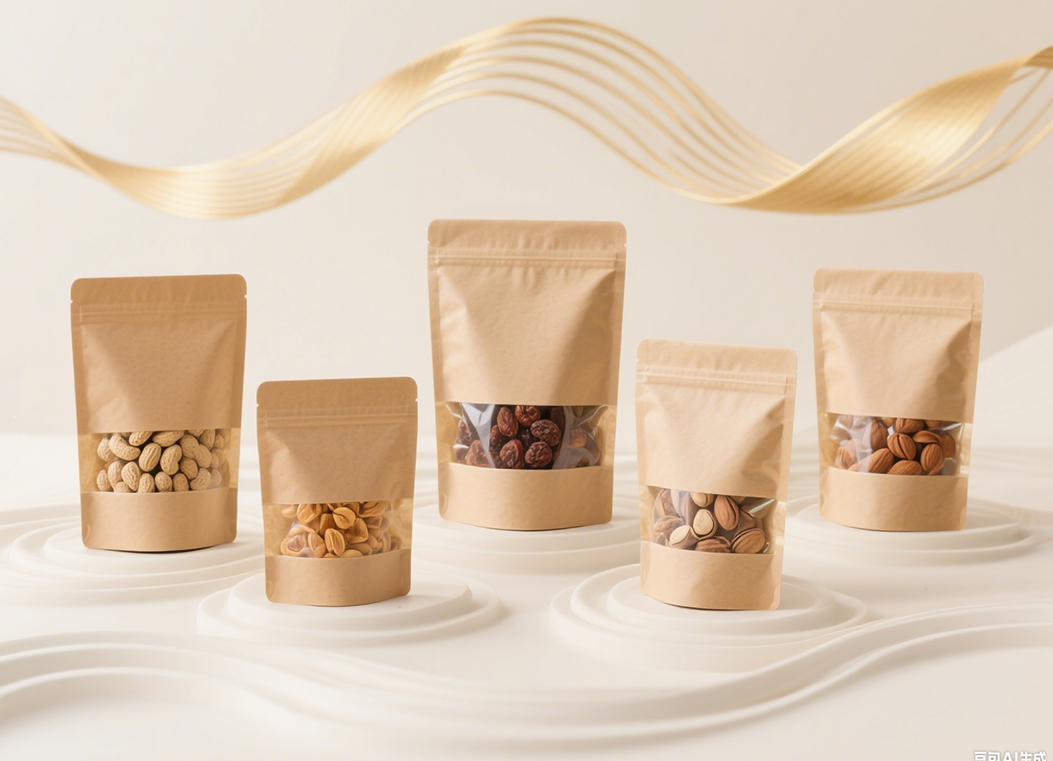
- Stand-up bags: Ideal for stacking on shelves and organizing products efficiently.
- Regular bags: Difficult to arrange neatly, often creating clutter or mess.
- The clear front panels on some stand-up bags improve product visibility, aiding inventory management.
Applications and Versatility
Stand-up zipper bags are used across various industries due to their versatility. Food items like snacks, coffee beans, and dried fruits benefit from airtight storage, while cosmetics, hardware, and small electronic components use them for protection and organization. Regular plastic bags are limited in these applications, serving mostly as carrying or short-term storage solutions.
Industry Comparison
| Feature | Stand-Up Zipper Bag | Regular Plastic Bag |
| Stability | Self-standing | Requires support |
| Reusability | High | Low |
| Sealing | Zipper closure | Open-ended/folded |
| Material Strength | Thicker, multi-layer | Thin, single-layer |
Conclusion
In conclusion, stand-up zipper bags differ significantly from regular plastic bags in structure, durability, reusability, and convenience. Their gusseted design, resealable closure, and robust material make them suitable for long-term storage, organization, and protection of various products. Regular plastic bags remain useful for temporary or light-duty applications, but for efficiency, visibility, and sustainability, stand-up zipper bags offer a clear advantage across both household and commercial contexts.