
 English
 Español
 عربى
عربىContent
What Seal Bag Packaging Actually Means
Pick up a bag of coffee, a pouch of freeze-dried camping food, or a resealable packet of industrial fasteners — the seal running across the top or sides of each one is doing far more work than it appears. That narrow band of bonded film is the primary barrier between your product and everything that can degrade it: oxygen, moisture, contamination, and tampering.
Seal bag packaging refers to any flexible bag or pouch format where the closure is achieved through a deliberate bonding process — heat, pressure, adhesive, mechanical interlock, or vacuum — rather than a simple fold or twist. The seal type is not a secondary detail. It determines shelf life, production line compatibility, consumer convenience, regulatory compliance, and ultimately whether the product arrives in usable condition.
Understanding the differences between sealing methods is the first step toward specifying the right packaging for a product. The sections below break down the four most widely used approaches, how they work at a material level, and where each one delivers — and where it falls short.
Heat Sealing: The Foundation of Most Flexible Packaging
Heat sealing is the most prevalent sealing method in flexible packaging worldwide. The process is straightforward: two layers of thermoplastic film are pressed together under controlled heat and pressure until the sealant layers melt, flow together, and cool into a single bonded seam. The result is an airtight, tamper-evident closure that requires no adhesive and leaves no residue.
The films used must be thermoplastic — materials that soften predictably under heat. Polyethylene (PE), polypropylene (PP), polyvinyl chloride (PVC), and Mylar (polyester-based foil laminates) are all heat-sealable. Each has a distinct melt range, which means the sealing equipment must be calibrated to match the film specification. Setting temperatures too low produces a weak seal; too high risks film distortion or burning through the material.
There are several heat sealing configurations used in production environments:
- Impulse sealing — a heating element activates briefly when the jaws close, then cools before release. Preferred for low-to-medium volume operations and thinner films.
- Constant heat sealing — the jaws maintain a continuous temperature. Better suited for high-speed production lines and thicker multilayer laminates.
- Vertical and horizontal form-fill-seal (VFFS/HFFS) — automated systems that shape the bag from a film roll, fill it, and seal it in one continuous operation. The standard for food, pharma, and consumer goods at scale.
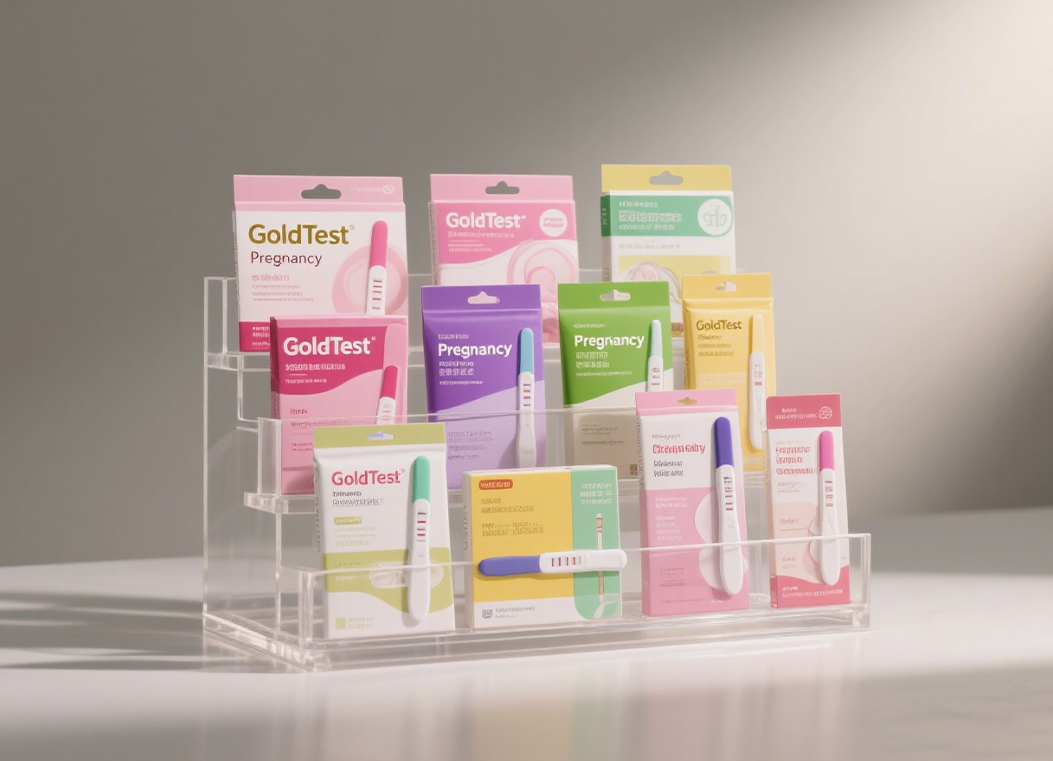
Heat-sealed pouches are used across food, pharmaceutical, electronics, and industrial applications. heat-sealed pouches for medical test cards and clinical diagnostics represent one of the most demanding use cases — where seal integrity directly affects product sterility and regulatory compliance. In these contexts, the airtight, tamper-evident nature of a heat seal is not a convenience feature; it is a product requirement.
The primary limitation of heat sealing is permanence — once opened, the original seal cannot be restored. For products consumed in a single use, this is irrelevant. For anything requiring repeated access, a secondary closure mechanism is essential.
Zipper Seals and Resealable Closures
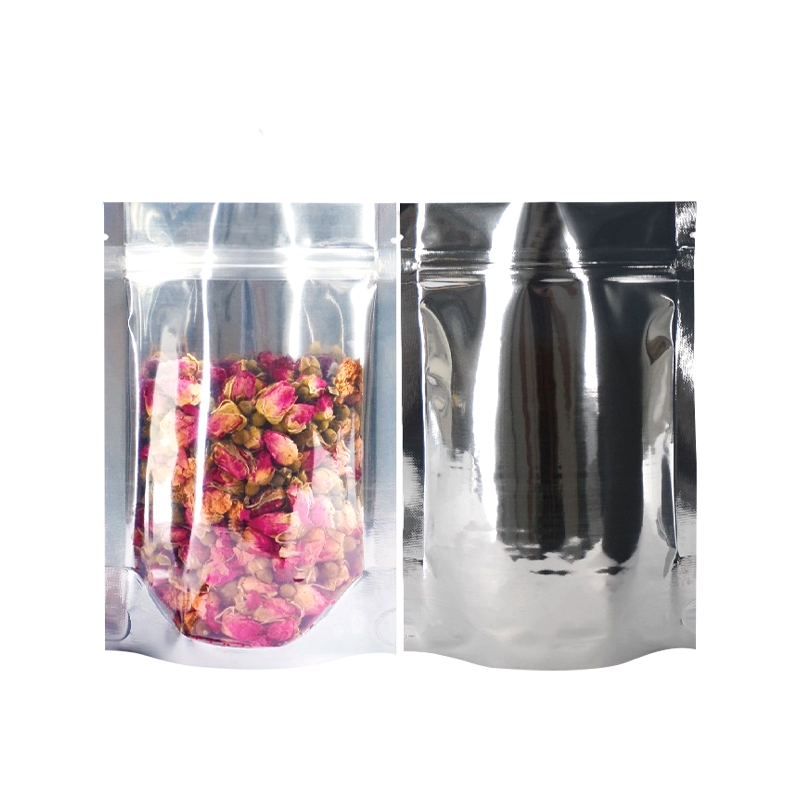
Resealable zipper packaging solves the single-use problem. A zipper seal integrates a mechanical interlocking track into the bag structure, allowing the end user to open and close the package repeatedly without destroying the packaging itself. For products consumed incrementally — coffee, pet food, snack mixes, hardware components, nutraceuticals — this is a meaningful functional upgrade over a standard heat-sealed pouch.
There are several zipper configurations, each suited to different applications:
- Flanged (press-to-close) zippers — the most common format, with interlocking plastic profiles that snap together under finger pressure. Provide a reliable residual barrier after the primary heat seal has been opened. Used on the majority of consumer food and retail pouches.
- Heavy-duty flanged zippers — a reinforced version for bags that will be opened and closed frequently over a longer product lifecycle. Common in bulk industrial packaging and reusable retail bags.
- String zippers — the most economical option, used on mono-layer bags where cost is the primary driver. Flexible at low temperatures and compatible with lower sealing temperatures, but provides a lighter closure than flanged formats.
- Hook-and-loop (hook-and-fiber) zippers — used for very wide bag openings exceeding 12 inches, where a flanged zipper cannot achieve a reliable seal without precise alignment.
A structural distinction worth understanding is the difference between OZE (Open Zipper End) and ZTE (Zipper Tamper Evident) bag formats. OZE bags are produced with three sealed sides and an open zipper end — content is filled through the zipper opening. ZTE bags are sealed on three sides and filled through the end opposite the zipper, which is then heat-sealed immediately after filling. ZTE bags fill faster on production lines because content never contacts the zipper mechanism, making them the preferred format for powders, fine granules, and high-volume automated packaging.
resealable zipper bags with aluminum-coated and printed film options combine the consumer convenience of a reclosable closure with the barrier performance of metallized or foil laminate films — delivering both functionality and shelf presence in a single package format.
Vacuum Sealing and Barrier Seal Bags
Vacuum seal bags operate on a different principle from heat or zipper seals. Rather than simply closing the opening, vacuum sealing actively removes oxygen from the package before or during sealing. The result is an environment inside the bag where aerobic spoilage — bacterial growth, oxidation, mold — is dramatically slowed or eliminated entirely.
The mechanism is straightforward: the product is placed in a vacuum-compatible bag, air is evacuated using a chamber or external vacuum sealer, and the opening is heat-sealed under the reduced pressure. The bag collapses against the product, creating a tight, form-fitting seal with minimal headspace. This compression also provides structural protection during transport — the product cannot shift inside the package.
Vacuum sealing is effective across a wide range of applications:
- Food preservation — fresh meat, fish, cheese, and deli products have shelf lives extended by several times compared to conventional packaging. Sous vide cooking relies entirely on vacuum-sealed pouches for both preparation and storage.
- Pharmaceutical and medical — moisture-sensitive medications, diagnostic reagents, and sterile instruments are vacuum-packaged to maintain stability and sterility through distribution.
- Electronics and precision components — circuit boards, connectors, and optical components are vacuum-sealed to prevent oxidation and electrostatic damage during storage and shipping.
- Industrial parts — metal components susceptible to corrosion are vacuum-sealed, often with desiccant or VCI (volatile corrosion inhibitor) inserts, to maintain surface integrity in transit.
Barrier film construction is critical to vacuum seal performance — the bag material must have low oxygen transmission rate (OTR) and moisture vapor transmission rate (MVTR) to maintain the vacuum over the intended shelf life. Multilayer laminates combining nylon, polyethylene, and aluminum foil are the standard for high-barrier applications. vacuum-sealed bags designed for food and small parts preservation use these engineered film constructions to deliver measurable shelf life extension across both food-grade and industrial applications.
Choosing the Right Seal Type: A Practical Comparison
No single sealing method is optimal for every application. The right choice depends on a combination of product characteristics, distribution requirements, consumer expectations, and production constraints. The comparison below maps the key decision factors across the four primary seal types.
| Seal Type | Barrier Performance | Resealability | Production Speed | Best Fit Applications |
|---|---|---|---|---|
| Heat Seal | High (film-dependent) | None — single use | Very high — VFFS/HFFS compatible | Food, pharma, electronics, medical devices |
| Zipper Seal | Moderate (residual after open) | High — repeated open/close | Moderate — zipper integration adds steps | Retail food, pet food, hardware, nutraceuticals |
| Vacuum Seal | Very high — removes O₂ | None — requires re-sealing equipment | Moderate — chamber vacuum adds cycle time | Perishable food, medical, precision components |
| Adhesive Seal | Low to moderate | Variable — peel-and-reseal formats available | High — no heat required | Mailer bags, retail packaging, gift packaging |
Two additional factors should guide the final decision. First, consider the production environment: heat sealing requires film materials with compatible melt temperatures, and vacuum sealing requires either a chamber vacuum system or an external sealer — both representing capital investment. Zipper bags add per-unit cost but reduce the need for secondary packaging at retail. Second, consider end-user experience. Products consumed over multiple sessions need resealable closures; products consumed in a single use are better served by a tamper-evident heat seal that communicates unopened integrity clearly to the buyer.
Material and Regulatory Considerations for Seal Bag Packaging
The film material is inseparable from the seal performance. A heat seal is only as strong as the sealant layer in the laminate; a vacuum seal is only as durable as the barrier layers surrounding it. Material selection shapes every downstream parameter — seal strength, barrier properties, print quality, recyclability, and regulatory status.
The most common film constructions used in seal bag packaging include:
- PE/PE laminates — economical, widely recyclable, suitable for light-barrier applications such as frozen food bags and general retail pouches
- Nylon/PE (PA/PE) — higher puncture resistance and oxygen barrier; the standard for vacuum-sealed meat and cheese applications
- PET/PE or PET/PP — high clarity, excellent printability, good stiffness; widely used for stand-up pouches in food and personal care
- Aluminum foil laminates (ALU/PE, PET/ALU/PE) — the highest barrier available in flexible film; used for products with extreme sensitivity to oxygen, moisture, or light — coffee, pharmaceuticals, military rations
- Kraft paper laminates — incorporate paper outer layers for a premium, sustainable aesthetic while maintaining a plastic sealant inner layer; common in coffee, pet food, and specialty food packaging
For any seal bag packaging that contacts food, regulatory compliance is non-negotiable. In the United States, FDA regulations governing food contact packaging materials require that any substance expected to migrate from the packaging into food must be authorized through either a specific regulation in 21 CFR Parts 173–178, a food contact notification (FCN), or a threshold of regulation exemption. This applies not only to the film polymers themselves, but also to adhesives, colorants, and any functional additives in the laminate construction.
Selecting a packaging supplier with documented FDA compliance across their film constructions eliminates a significant validation burden for food and pharmaceutical manufacturers. It also future-proofs the packaging specification against regulatory updates — particularly relevant as scrutiny of certain plasticizers and adhesive chemistries in food contact materials continues to evolve.




