 English
 Español
 عربى
عربىContent
Critical Role of Packaging in Diagnostic Accuracy
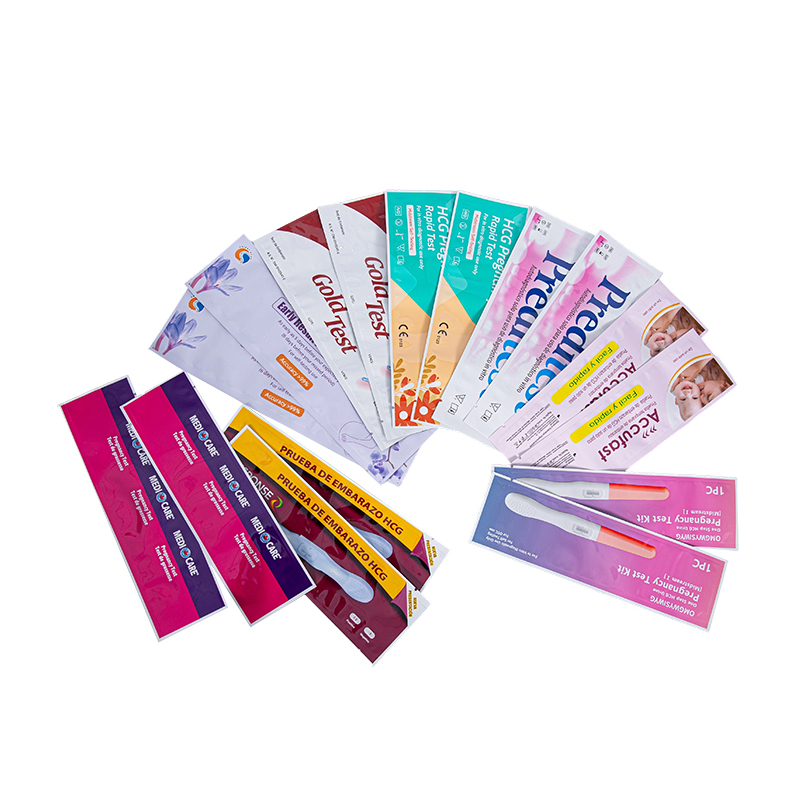
A high-quality reagent test card pouch is essential for maintaining the chemical stability and shelf life of diagnostic devices. These specialized packages protect sensitive reagents from environmental factors such as humidity, oxygen, and light, which can cause premature degradation and lead to false results. Without robust barrier protection, the integrity of lateral flow assays and other rapid tests is compromised within weeks rather than months or years.
The primary function of these pouches is to create a hermetic seal that isolates the test card from external contaminants. Properly engineered pouches can extend the shelf life of reagents by up to 24 months, ensuring that healthcare providers and consumers receive accurate readings every time. This reliability is crucial in clinical settings where diagnostic errors can have serious health implications.
Key Protection Mechanisms
- Moisture Barrier: Prevents water vapor from entering, which is the leading cause of reagent hydrolysis and failure.
- Oxygen Scavenging: Reduces oxidation of sensitive biological components like antibodies and enzymes.
- Light Blocking: Opaque layers protect photosensitive reagents from UV degradation during storage and transport.
Material Composition and Layer Structure
Reagent test card pouches are typically constructed using multi-layer laminated films, each serving a specific protective function. The most common structure involves a combination of polyester (PET), aluminum foil, and polyethylene (PE) or cast polypropylene (CPP). This lamination process creates a composite material that offers superior mechanical strength and barrier properties compared to single-layer plastics.
Standard Laminate Layers
| Layer | Material | Function |
|---|---|---|
| Outer Layer | Polyester (PET) | Provides printability, durability, and abrasion resistance |
| Middle Layer | Aluminum Foil | Offers complete barrier against moisture, oxygen, and light |
| Inner Layer | Polyethylene (PE) | Enables heat sealing and ensures biocompatibility |
Alternative Materials for Specific Needs
For applications requiring transparency to view the test card without opening, metallized films or high-barrier clear oxides (SiOx or AlOx) are used instead of aluminum foil. While these alternatives offer slightly lower barrier properties, they allow for visual inspection of the device. However, for maximum shelf life exceeding 18 months, aluminum foil remains the gold standard due to its near-zero permeability rates.
Sealing Integrity and Quality Control
The effectiveness of a reagent test card pouch depends entirely on the integrity of its seals. Even a microscopic leak can compromise the internal environment, allowing moisture ingress that degrades reagents. Therefore, rigorous quality control measures are implemented during manufacturing to ensure consistent seal strength and absence of channels or voids.
Common Sealing Methods
- Heat Sealing: The most common method, using temperature, pressure, and time to fuse the inner PE layers together. Precise control is vital to prevent burn-through or weak bonds.
- Cold Sealing: Uses pressure-sensitive adhesives pre-applied to the film. Ideal for heat-sensitive reagents that might be damaged by thermal sealing processes.
Testing Protocols
Manufacturers employ several tests to verify pouch integrity. Dye penetration tests check for micro-channels in the seal, while burst tests measure the pressure required to rupture the package. Acceptance criteria typically require a seal strength of at least 1.5 N/15mm to withstand handling and shipping stresses. Additionally, vacuum decay testing is used to detect minute leaks that could affect long-term storage stability.
Design Considerations for Usability and Compliance
Beyond protection, reagent test card pouches must be designed for ease of use and regulatory compliance. Features such as tear notches, easy-open peels, and clear labeling areas enhance user experience while ensuring traceability. Poorly designed packaging can lead to accidental damage during opening or difficulty in identifying expired products.
User-Friendly Features
- Tear Notches: Laser-scored or mechanically cut notches allow for clean, controlled opening without scissors, reducing the risk of contaminating the test card.
- Desiccant Integration: Some pouches include a dedicated compartment or pocket for a desiccant packet, keeping it separate from the test card to prevent physical interference.
- Printable Surface: The outer PET layer accepts high-resolution printing for batch numbers, expiration dates, and instructions, ensuring compliance with FDA and ISO labeling requirements.
Regulatory Standards
Packaging materials must comply with international standards such as ISO 11607 for terminally sterilized medical devices and FDA 21 CFR for food contact substances if applicable. Biocompatibility testing ensures that no harmful chemicals migrate from the pouch to the test card, which could interfere with the assay chemistry. Manufacturers must provide documentation verifying that materials meet these stringent safety and performance criteria.
Sustainability Trends in Diagnostic Packaging
As environmental concerns grow, the diagnostic industry is exploring sustainable alternatives for reagent test card pouches. Traditional aluminum laminates are difficult to recycle due to the mixed materials, prompting research into mono-material structures and bio-based films. While these eco-friendly options currently offer slightly lower barrier properties, advancements in coating technologies are closing the performance gap.
Emerging Eco-Friendly Solutions
- Mono-PE Structures: Use only polyethylene layers with high-barrier coatings, making them fully recyclable in existing plastic streams.
- Paper-Based Hybrids: Combine paper outer layers with thin barrier films, reducing plastic usage by up to 40% while maintaining adequate protection for short-shelf-life products.
- Biodegradable Polymers: PLA (polylactic acid) based films are being tested for non-critical applications, though moisture resistance remains a challenge.
Transitioning to sustainable packaging requires careful validation to ensure that reduced environmental impact does not come at the cost of diagnostic accuracy. Current data suggests that mono-material pouches can maintain reagent stability for up to 12 months, making them viable for many rapid test applications. As technology advances, these green solutions are expected to become the new standard in the industry.