 English
 Español
 عربى
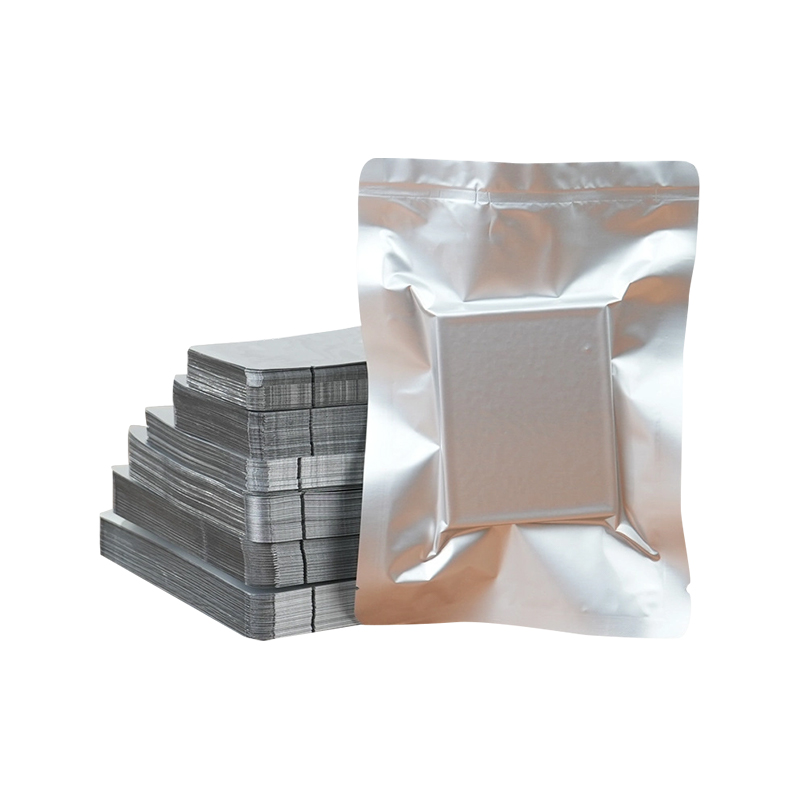
عربىA three-side seal bag is one of the most versatile and cost-effective packaging solutions available for a wide range of consumer and industrial products. Characterized by seals on the left, right, and bottom edges, with an open top for filling, this pouch design offers a flat, uniform surface that maximizes branding visibility and shelf appeal. Unlike stand-up pouches or gusseted bags, the three-side seal format is simple to manufacture, resulting in lower production costs and faster turnaround times for businesses.
The structural simplicity of the three-side seal bag does not compromise its functionality. It provides excellent protection against moisture, oxygen, and light when constructed with high-barrier films. This makes it an ideal choice for food items, pharmaceuticals, cosmetics, and hardware components. For brands looking to balance aesthetic impact with budgetary constraints, this packaging format delivers a professional look without the premium price tag of more complex pouch structures.
Content
Structural Design and Manufacturing Efficiency
The defining feature of a three-side seal bag is its construction. Two layers of film are placed face-to-face, and heat seals are applied to three sides, creating a secure enclosure. The top remains open until the product is inserted, at which point it is sealed horizontally. This design allows for high-speed automated filling and sealing processes, significantly increasing production throughput.
Flat Profile and Stackability
Because these bags lie completely flat when empty and filled, they are highly efficient for storage and shipping. Retailers appreciate their stackability, which optimizes shelf space and allows for neat, organized displays. The flat surface also provides a consistent canvas for high-quality printing, ensuring that logos, nutritional information, and marketing messages are clearly visible and undistorted.
Cost-Effectiveness
The manufacturing process for a three-side seal bag requires less material and fewer machine adjustments compared to gusseted or stand-up pouches. This translates to a lower cost per unit, making it an attractive option for small to medium-sized businesses or large-scale productions where margin optimization is critical. Additionally, the simplicity of the design reduces the likelihood of mechanical jams during filling, minimizing downtime.
Material Options and Barrier Properties
The performance of a three-side seal bag depends heavily on the materials used in its construction. Manufacturers can customize the film structure to meet specific preservation needs, ranging from basic moisture resistance to high-level oxygen barriers.
| Material Structure | Key Properties | Ideal Applications |
|---|---|---|
| PET/PE | Good clarity, moderate barrier | Snacks, Dry Goods, Hardware |
| NY/PE | High puncture resistance, durable | Frozen Foods, Heavy Items |
| PET/AL/PE | Excellent light/oxygen barrier | Coffee, Pharmaceuticals, Cosmetics |
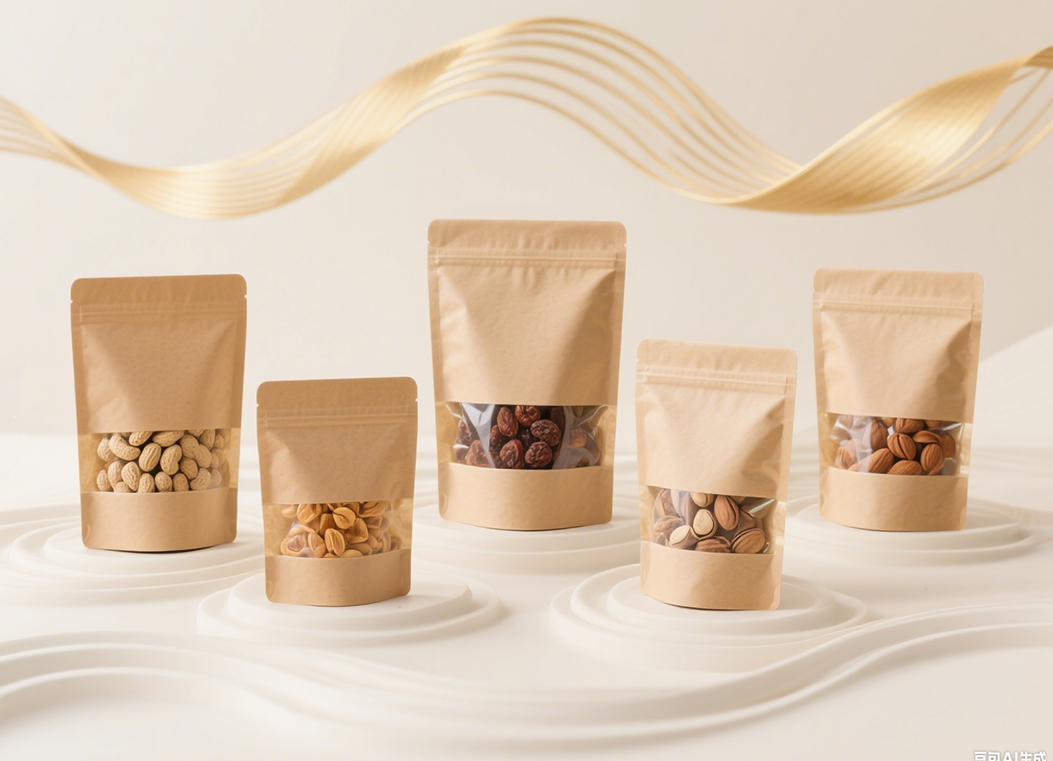
| Kraft Paper/PE | Eco-friendly appearance, rustic | Organic Products, Teas, Spices |
For products sensitive to oxidation, such as coffee or nuts, incorporating an aluminum foil layer (AL) or a metallized film (VMPET) significantly extends shelf life. These barriers block UV light and prevent oxygen ingress, preserving flavor and freshness for months. Conversely, for non-perishable items like screws or textiles, a simple polyethylene (PE) structure may suffice, offering cost savings without unnecessary over-engineering.
Customization and Branding Opportunities
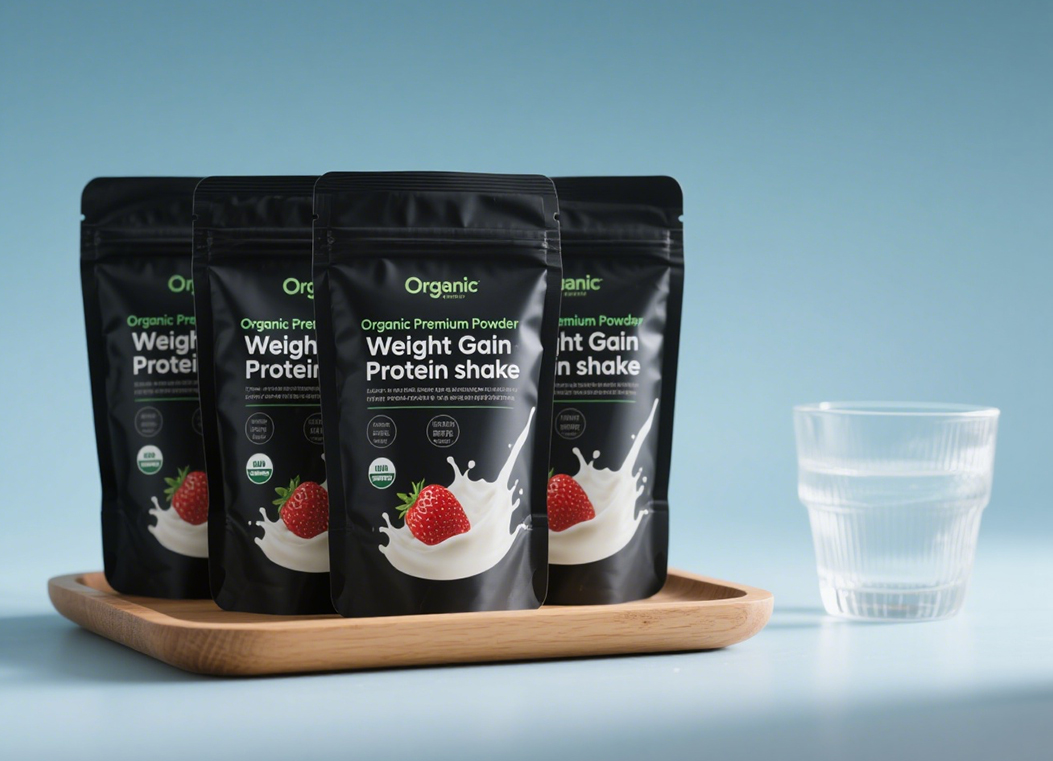
The large, flat panels of a three-side seal bag offer an expansive area for graphic design. High-resolution rotogravure or digital printing techniques can be employed to create vibrant, eye-catching visuals that stand out on crowded retail shelves. Brands can utilize the front panel for primary messaging and the back panel for detailed product information, barcodes, and regulatory compliance data.
Finish Options
Beyond printing, various finish options enhance the tactile and visual appeal of the packaging. Matte finishes convey a premium, sophisticated look, while glossy finishes make colors pop and attract attention. Soft-touch coatings provide a luxurious feel, encouraging consumer interaction. Additionally, features like tear notches, hang holes, and resealable zippers can be integrated to improve user convenience and functionality.
Window Patching
Incorporating a transparent window allows consumers to view the product inside, building trust and reducing purchase hesitation. This is particularly effective for colorful or textured products like spices, candies, or fabrics. The window can be shaped and positioned strategically to highlight the most appealing aspects of the contents without compromising the structural integrity of the bag.
Sustainability and Future Trends
As environmental concerns grow, the packaging industry is shifting towards sustainable solutions. Traditional multi-layer structures used in three-side seal bags are often difficult to recycle due to the combination of different plastics and materials. However, innovations in mono-material films, such as all-PE or all-PP structures, are making these bags more recyclable.
Biodegradable and compostable options, made from materials like PLA (polylactic acid) and PBAT, are also gaining traction. While currently more expensive and limited in barrier properties, advancements in technology are improving their performance. Brands adopting these eco-friendly alternatives can enhance their corporate social responsibility profile and appeal to environmentally conscious consumers. Choosing a supplier who offers recyclable or compostable three-side seal bags is a strategic step towards future-proofing packaging strategies.