

 English
 Español
 عربى
عربىA food storage bags variety pack is one of the most practical purchases a household can make. Rather than buying separate boxes of different bag sizes — and inevitably running out of one size while another sits unused — a variety pack provides a curated assortment of sizes and styles suited to the full range of kitchen storage tasks. From freezing bulk meals to packing snacks for school, portioning ingredients for meal prep, or keeping produce fresh in the refrigerator, variety packs eliminate the need to juggle multiple products. This guide covers what to look for when buying a food storage bags variety pack, the different types available, and how to get the most from each bag in your kitchen.
Content
- 1 What a Food Storage Bags Variety Pack Typically Includes
- 2 Types of Food Storage Bags: Understanding the Differences
- 3 What to Look for When Buying a Food Storage Bags Variety Pack
- 4 Best Uses for Each Bag Size in a Variety Pack
- 5 Extending Food Freshness: Tips for Getting More from Your Storage Bags
- 6 Environmental Considerations and Sustainable Alternatives
What a Food Storage Bags Variety Pack Typically Includes
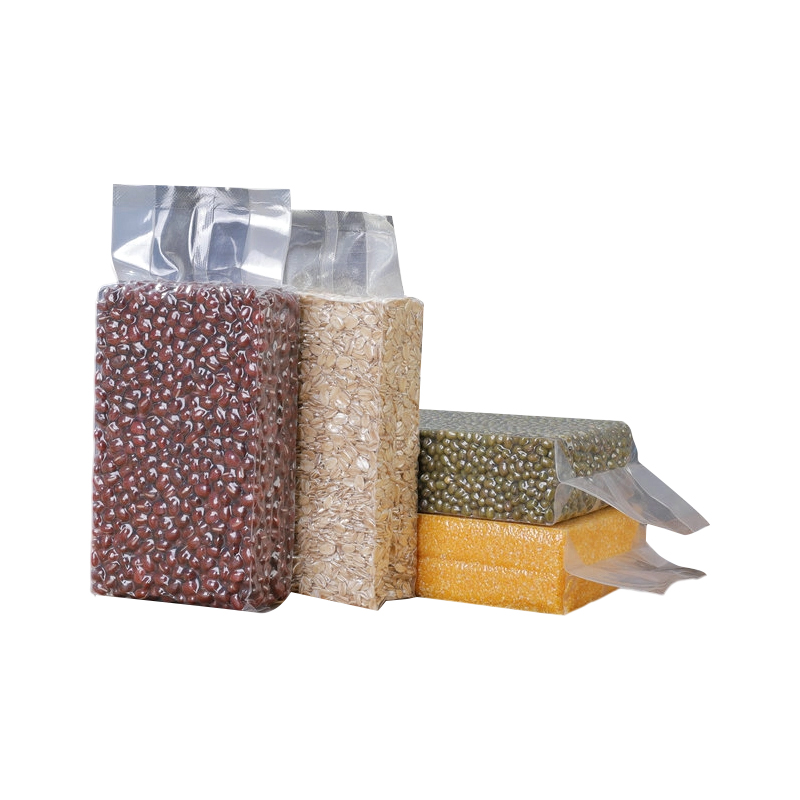
Variety packs differ in composition, but most well-designed assortments include bags across three to five size categories, allowing the full range of everyday food storage tasks to be covered from a single purchase. Common size configurations in a standard variety pack include:
- Snack or small size (approximately 0.5 litre): Ideal for individual portions of nuts, crackers, cut fruit, or small snacks for lunchboxes. These are typically the smallest bags in the pack and the ones used most frequently by households with children.
- Sandwich size (approximately 1 litre): The workhorse of the pack. Sandwiches, half a cucumber, a block of cheese, leftover portions — sandwich bags handle the majority of day-to-day refrigerator storage tasks.
- Quart size (approximately 1 litre with a taller profile): Slightly larger than sandwich bags and designed for liquid-containing foods, marinating proteins, or storing cut vegetables. Quart bags are also the standard size required for airport security liquids compliance when travelling.
- Gallon size (approximately 3.8 litres): Designed for bulk storage — full portions of soup, whole chicken pieces, large batches of marinated meat, or bulky items like bread loaves and heads of lettuce. Gallon bags are the go-to choice for freezer meal prep.
- 2-gallon or extra-large size: Less common but included in some variety packs for oversized items such as whole turkeys, large roasts, bulk produce, or storing non-food items like seasonal clothing or documents.
Premium variety packs may also include freezer-specific bags alongside standard storage bags, recognising that freezer applications require heavier gauge plastic to resist cracking at low temperatures and to provide a more airtight seal over extended storage periods.
Types of Food Storage Bags: Understanding the Differences
Not all food storage bags in a variety pack are the same construction. Understanding the key differences helps you match the right bag to the right task and avoid premature spoilage or freezer burn.
Standard Zip-Seal Storage Bags
Standard zip-seal bags are the most common type found in variety packs. They use an interlocking plastic track closure that seals when pressed together along the top. Quality varies significantly between brands: a well-made standard bag produces a firm, tactile click when fully sealed, while lower-quality alternatives may appear closed but allow air and moisture transfer. Standard bags are suitable for refrigerator storage and short-term pantry use but are generally not recommended for freezer storage beyond one to two weeks due to their thinner walls.
Freezer Bags
Freezer bags are manufactured from thicker polyethylene — typically 2.5 to 4 mil gauge compared to 1.5 to 2 mil for standard bags — which provides superior puncture resistance, prevents the plastic from becoming brittle at freezer temperatures, and dramatically reduces the rate of vapour transmission that causes freezer burn. A quality freezer bag can maintain food quality for three to six months in the freezer, compared to two to four weeks for a standard storage bag used in the same application. Many variety packs include a proportion of freezer bags alongside standard bags, though budget packs sometimes include only standard bags regardless of labelling.
Slider Closure Bags
Slider bags replace the pinch-to-seal zip track with a plastic slider that runs along the top of the bag, opening and closing the seal in a single motion. They are particularly popular for households with young children or users who find the standard zip track difficult to close reliably. Slider closures also allow one-handed operation, which is useful when handling wet or messy food. The trade-off is that slider bags are typically more expensive per unit than equivalent zip-seal bags and the slider mechanism can occasionally skip or leave a gap if not run completely to the end stop.
Reusable Silicone Storage Bags
A growing number of variety packs now include or are entirely composed of reusable silicone bags. Food-grade silicone bags are dishwasher safe, can be used in the freezer, refrigerator, microwave, and some are oven-safe up to 200°C. They seal via a press-lock or fold-and-clip closure and are designed to replace single-use plastic bags across hundreds of use cycles. While the upfront cost of a silicone variety pack is significantly higher than disposable alternatives, the per-use cost over time is substantially lower, and the environmental impact is considerably reduced.
| Bag Type | Freezer Safe | Microwave Safe | Reusable | Best For |
|---|---|---|---|---|
| Standard Zip-Seal | Short-term only | No | No | Fridge, pantry, lunchbox |
| Freezer Bag | Yes — 3 to 6 months | No | No | Meal prep, bulk freezing |
| Slider Closure | Depends on thickness | No | No | Easy one-handed use |
| Silicone Reusable | Yes | Yes | Yes — hundreds of uses | Eco-conscious households |
What to Look for When Buying a Food Storage Bags Variety Pack
Seal Integrity
The seal is the most critical functional element of any food storage bag. A weak or inconsistent seal allows air and moisture in, accelerating spoilage and causing freezer burn. Look for variety packs that specifically describe their closure mechanism — double-seal tracks, triple-rib closures, or leakproof seals are meaningful indicators of quality. Reading verified user reviews that mention leakage is one of the most reliable ways to assess seal performance before purchasing.
Plastic Thickness and Material
Bag thickness is measured in mil (thousandths of an inch). For standard refrigerator storage, 1.5–2 mil is adequate. For freezer use, look for bags rated at 2.5 mil or above. All food-contact plastic bags sold in reputable markets are required to be BPA-free, but it is worth confirming this on the packaging — particularly for bags intended for use with warm or acidic foods where plasticiser migration is a greater concern.
Write-On Labels or Panels
A write-on label area — either a frosted panel on the bag surface or a printed label strip near the seal — is a small but highly practical feature, particularly for freezer bags. Being able to write the contents and date directly on the bag eliminates the guesswork that leads to mystery frozen items and wasted food. Not all variety packs include this feature, and its presence is worth checking before purchase.
Value Ratio Across Sizes
Some variety packs appear attractively priced but achieve this by including a large proportion of the smallest, least useful sizes and only a handful of the larger bags that are most frequently used. Before purchasing, check the count breakdown across sizes. A well-balanced variety pack typically includes more sandwich and quart bags than snack bags, reflecting realistic household consumption patterns. Packs weighted heavily toward snack bags are often better value only for households with school-age children who regularly use them.
Expandable Base or Gusset
Gallon and quart bags with an expandable gusset at the base stand upright when open, making them significantly easier to fill with liquids, soups, or loose ingredients without a second pair of hands. This feature is particularly useful for meal prep and bulk cooking, where filling bags quickly and cleanly matters. Flat-bottom gussets are also more space-efficient in the freezer than flat bags filled with the same volume, as they stack more predictably.
Best Uses for Each Bag Size in a Variety Pack
Matching bag size to task improves seal effectiveness, reduces plastic waste, and makes the most efficient use of refrigerator and freezer space. The following applications are the most practical use cases for each size category.
Snack Bags
Individual portions of trail mix, crackers, grapes, baby carrots, and dry cereal. Also useful for storing small quantities of spices or baking ingredients portioned ahead of time, or for non-food purposes such as holding small hardware items, jewellery, or craft supplies.
Sandwich Bags
Sandwiches, wraps, half-used avocados, cut cheese, sliced deli meat, leftover half-portions, and small quantities of marinated ingredients. These are the bags most households reach for first and deplete fastest — a good variety pack allocates a proportionally higher count to this size.
Quart Bags
Marinating chicken breasts or fish fillets, storing a full portion of leftover soup or stew, freezing individual meal servings, packing cut vegetables for the week, or holding wet ingredients during sous vide cooking. Quart bags are the preferred size for the airport security liquids bag when travelling internationally.
Gallon Bags
Whole chicken portions, large cuts of meat for freezing, bulk quantities of berries or vegetables, complete pre-portioned freezer meals, homemade stock, or bread storage to extend shelf life. Gallon freezer bags are essential for batch cooking — a single cooking session can yield ten or more labelled freezer meals stored efficiently in gallon bags stacked flat.
2-Gallon Bags
Whole turkeys or large joints during brining, oversized baked goods, very large cuts of meat, or bulk quantities of produce purchased from a wholesale supplier. These bags are used infrequently by most households but are indispensable when needed — variety packs that include even a small count of extra-large bags provide coverage for seasonal cooking tasks that smaller bags simply cannot accommodate.
Extending Food Freshness: Tips for Getting More from Your Storage Bags
The quality of a storage bag only determines the potential freshness extension — how the bag is used determines whether that potential is realised.
- Remove as much air as possible before sealing. Air is the primary driver of oxidation and freezer burn. Press the bag flat and smooth it from bottom to top to expel air before sealing, or use a straw to draw out residual air through a small gap before fully closing the seal. For freezer bags, this single step makes the largest difference to food quality over time.
- Always label and date freezer bags. A marker pen and thirty seconds of effort at the time of freezing saves significant food waste. Without labelling, most households underestimate how long items have been frozen and either use old food that has degraded in quality or discard items unnecessarily through uncertainty.
- Freeze flat when possible. Bags filled with liquids or loose items and frozen flat stack efficiently and thaw faster than thick, unevenly frozen packages. Lay filled gallon and quart bags on a baking sheet in the freezer until solid, then stack vertically like files in a drawer for space-efficient long-term storage.
- Do not overfill. Bags sealed beyond their designed capacity often fail at the corners or along the seal track. Leave at least 2–3 cm of headspace in the bag to allow the contents to expand slightly during freezing and to ensure the seal closes cleanly across its full width.
- Use the correct bag for the task. Storing raw meat in a standard sandwich bag in the freezer for several months will result in freezer burn regardless of how carefully the bag is sealed — the material simply is not designed for that application. Using the appropriate bag type from the variety pack for each task is the simplest way to protect food quality.
Environmental Considerations and Sustainable Alternatives
Single-use plastic food storage bags represent a significant source of household plastic waste. While they are not typically recyclable through standard kerbside collection — contaminated food packaging is generally excluded from recycling streams — several retailers and manufacturers now operate take-back programmes for clean, dry plastic bags.
For households seeking to reduce plastic consumption, the most impactful step is transitioning high-frequency uses — sandwich bags for lunches, quart bags for weekly produce storage — to reusable silicone or fabric alternatives, while retaining single-use freezer bags for the applications where they genuinely outperform reusable options in convenience and performance. A hybrid approach, using a smaller quantity of single-use bags selectively alongside reusable alternatives, reduces plastic consumption substantially without requiring a complete change in kitchen habits.
Some variety packs now include bags made from recycled plastic content or from plant-based polyethylene derived from sugarcane. These materials perform comparably to conventional polyethylene in storage applications and reduce the fossil fuel input of the product, though they remain single-use and carry the same end-of-life disposal considerations.




