
 English
 Español
 عربى
عربىContent
- 1 Understanding Flexible Packaging: From Single-Serve Formats to Long-Term Storage
- 2 Stick Packs: Structure, Applications and Advantages
- 3 Sachets: Versatility, Fill Range and Broader Application Scope
- 4 Stick Pack vs Sachet: Choosing the Right Format
- 5 Long-Term Food Storage with Mylar Bags: The Science Behind Shelf Life
- 6 Mylar Bag Construction and Barrier Performance
- 7 Oxygen Absorbers: The Essential Companion to Mylar Storage
- 8 Shelf Life by Product: What to Expect from Mylar Storage
- 9 Step-by-Step: Sealing Mylar Bags for Long-Term Storage
- 10 Common Mistakes That Compromise Mylar Storage
Understanding Flexible Packaging: From Single-Serve Formats to Long-Term Storage
Flexible packaging has become the dominant format across food, beverage, nutraceutical, and consumer goods markets because it delivers product protection, portability, and shelf presence at a cost and weight advantage that rigid containers cannot match. Within the flexible packaging category, two single-serve formats — stick packs and sachets — address the same fundamental challenge of portioning a product for individual use, but they do so through different structural approaches with meaningfully different implications for filling speed, consumer experience, and material cost. At the other end of the usage spectrum, mylar bags represent the gold standard for bulk long-term food storage, offering shelf life extension measured in decades rather than months.
For brand managers, contract packagers, and food preparedness specialists alike, understanding the trade-offs between these formats — and knowing when each is the right tool — is the foundation of sound packaging strategy. This guide addresses both dimensions: the operational and commercial differences between stick packs and sachets for single-serve applications, and the science and practice of long-term food preservation using mylar bags.
Stick Packs: Structure, Applications and Advantages
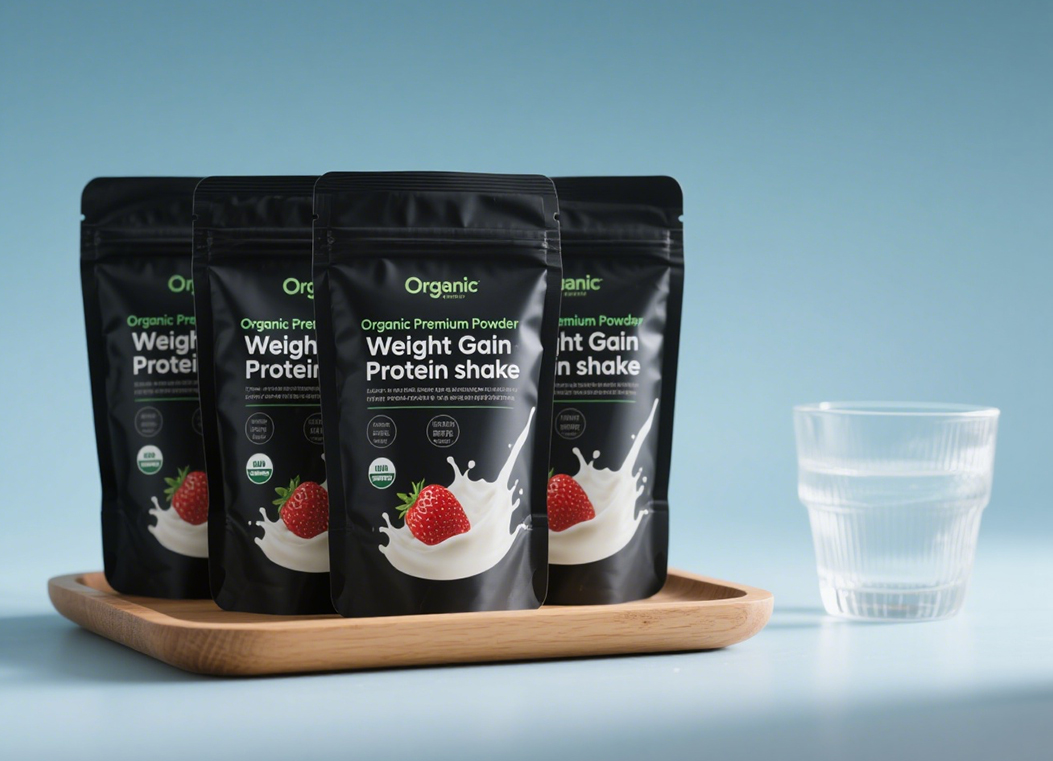
A stick pack is a narrow, vertically oriented flexible package sealed on three or four sides, with a width-to-length ratio typically ranging from 1:4 to 1:8. The elongated form factor is specifically engineered for pour-and-dissolve applications: the narrow opening directs product flow into a cup, glass, or bottle with precision, minimizing spill and mess. This functional characteristic is the primary reason stick packs have become the default packaging format for powdered beverages, protein and supplement powders, single-serve coffee, flavored drink mixes, and powdered condiments.
Filling and Production Efficiency
Stick packs are among the most efficiently producible flexible formats. Modern multi-lane stick pack machines run at speeds exceeding 1,500 units per minute across 10 to 20 lanes simultaneously, making them the highest-throughput single-serve filling format available. The vertical form-fill-seal process — in which a continuous roll of film is formed into the stick shape, filled, and sealed in a single continuous operation — minimizes material waste and machine footprint relative to output volume. For high-volume powdered product lines, stick packs typically offer the lowest per-unit packaging cost of any portion-control format.
Material Structure
Stick pack films are laminated structures combining two to four layers chosen for their complementary barrier, sealing, and aesthetic properties. A typical construction pairs a printed oriented polypropylene (OPP) or polyester (PET) outer layer for print quality and structural rigidity with a metallized barrier layer for moisture and oxygen protection, and a heat-sealable polyethylene or cast polypropylene inner layer. For moisture-sensitive powders or oxygen-sensitive nutraceuticals, aluminum foil laminates replace the metallized film to achieve higher barrier performance. Total film thickness typically ranges from 60 to 120 microns depending on the product and required shelf life.
Consumer Experience
The stick pack's narrow profile and clean tear opening make it highly intuitive for on-the-go consumers. The format fits naturally in a pocket, purse, or gym bag, and the directed pour eliminates the fumbling associated with wider sachet openings. These ergonomic advantages have made stick packs the dominant format in the sports nutrition and functional beverage categories, where convenience and clean use are primary purchase drivers.
Sachets: Versatility, Fill Range and Broader Application Scope
A sachet is a wider, more square or rectangular flexible package, typically sealed on three or four sides with a width-to-length ratio between 1:1 and 1:2.5. The broader form factor accommodates a wider range of fill volumes, product viscosities, and physical states than stick packs — making sachets the more versatile of the two formats across the full breadth of packaged goods applications.
Product Compatibility
While stick packs are optimized for free-flowing powders and granules, sachets handle a much broader product range without modification. Liquid and semi-liquid products — sauces, condiments, dressings, gels, creams, and lotions — fill reliably into sachets because the wider horizontal seal area accommodates the flow characteristics of non-powdered products. Larger particulate products, such as granola, trail mix, seeds, or seasoning blends with irregular particle sizes, also package more effectively in sachets, where the greater internal volume reduces bridging and fill inconsistency. Sugar and salt packets, ketchup and mustard portions, single-serve shampoo and conditioner in hospitality, and pharmaceutical topical preparations are all sachet-native applications that would be poorly served by stick pack geometry.
Fill Volume Range
Sachets accommodate a fill range from less than one gram up to 100 grams or more, with excellent fill accuracy across this spectrum. Stick packs are optimized for the 3 to 30 gram range and become structurally impractical at the upper end of that range due to the elongation required to maintain the characteristic narrow form factor. For applications requiring fills above 30 grams in a single-serve format, sachets are the default choice.
Opening and Dispensing Experience
Sachets typically incorporate a tear notch on one or both sides to facilitate clean opening. The wider opening is well suited for squeeze dispensing of sauces and gels, or for pouring products that benefit from a wider pour channel. For powdered products where directed pouring into a small container opening is required, the wider sachet opening is less precise than a stick pack and more prone to spill — which is the primary reason brands choose stick packs for powdered single-serve applications despite the sachet's broader product compatibility.
Stick Pack vs Sachet: Choosing the Right Format
| Criteria | Stick Pack | Sachet |
|---|---|---|
| Product type | Free-flowing powders, granules | Powders, liquids, gels, particulates |
| Typical fill range | 3–30 g / ml | <1 g to 100+ g / ml |
| Pour precision | Excellent (narrow opening) | Moderate (wider opening) |
| Production speed | Very high (multi-lane VFFS) | High |
| On-the-go portability | Excellent | Good |
| Liquid / gel compatibility | Limited | Excellent |
| Large particulate fill | Poor | Good |
| Print area / branding | Moderate (narrow panels) | Good (wider panels) |
| Typical applications | Supplements, protein, coffee, drink mixes | Condiments, sauces, sugar, pharma, cosmetics |
The practical decision rule is straightforward: if the product is a free-flowing powder destined for dissolution in a beverage, and fill weight falls between 3 and 30 grams, the stick pack is almost always the superior format. For everything else — liquids, gels, larger fills, irregular particulates, or applications where wider dispensing is preferred — the sachet is the appropriate starting point.
Long-Term Food Storage with Mylar Bags: The Science Behind Shelf Life
While stick packs and sachets address single-serve convenience, mylar bags occupy the opposite end of the food packaging spectrum: bulk storage designed for shelf life measured in years or decades. Originally developed by DuPont as a high-performance polyester film for industrial and aerospace applications, the term "mylar" has become genericized in the food storage community to describe any multi-layer barrier bag used for long-term dry food preservation — though the correct technical term for these bags is laminated foil pouches or metalized polyester bags.
The core principle of long-term food storage with mylar bags is the elimination of the two primary drivers of food degradation: oxygen and moisture. Oxygen promotes oxidative rancidity in fats, supports the growth of aerobic bacteria and molds, and degrades vitamins and flavor compounds. Moisture activates enzymatic spoilage, supports microbial growth, and causes clumping and texture degradation in dry goods. A properly sealed mylar bag, used in conjunction with oxygen absorbers, removes both threats simultaneously — creating a near-inert storage environment in which the natural shelf life of dry foods is extended dramatically.
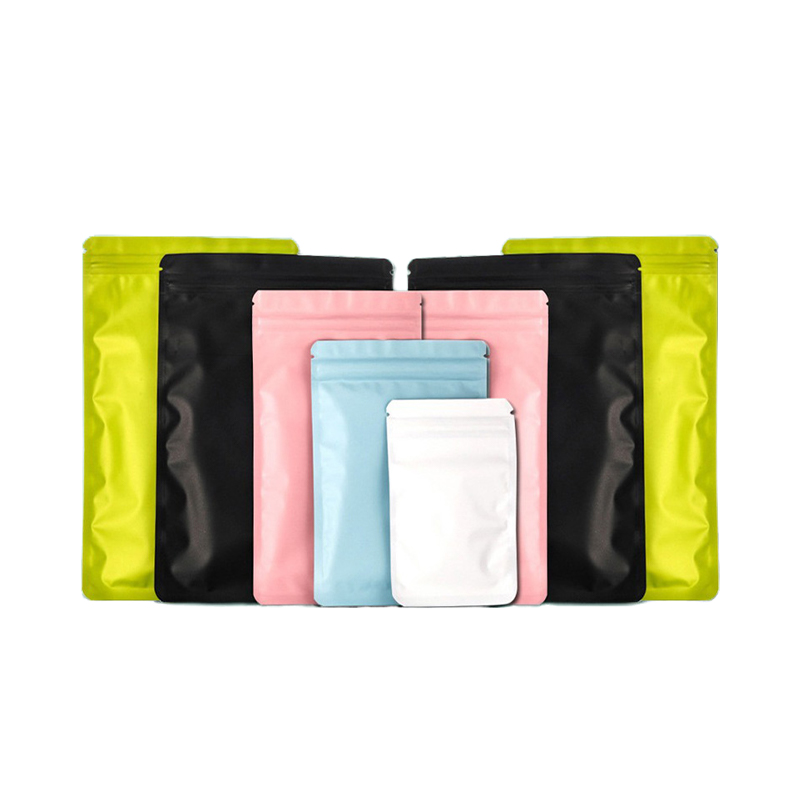
Mylar Bag Construction and Barrier Performance
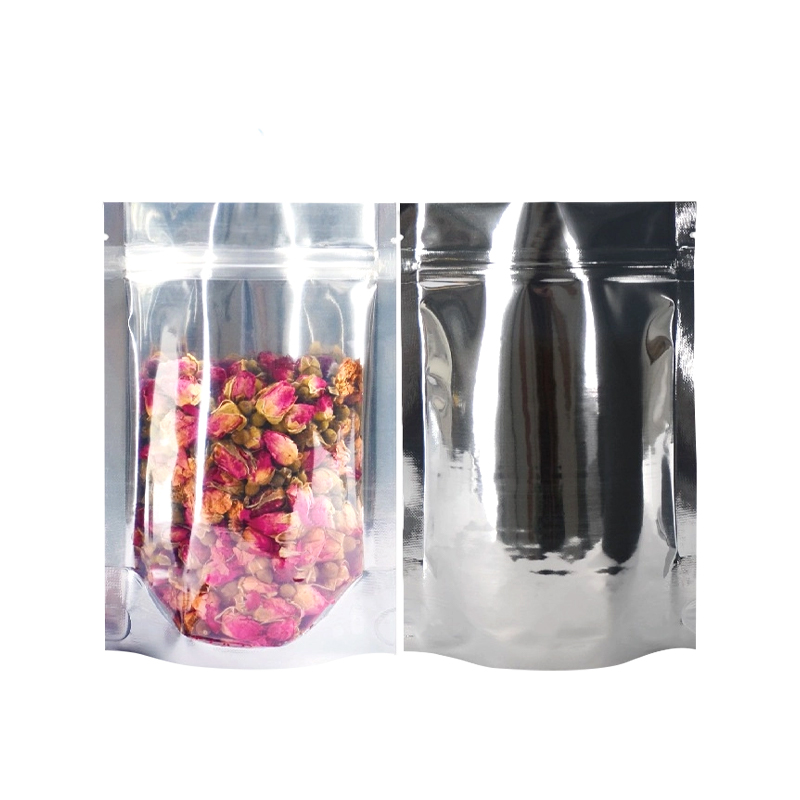
Food-grade mylar bags are laminated structures consisting of multiple bonded layers, each contributing a specific functional property. A typical high-performance food storage bag includes an outer polyester (PET) layer for puncture resistance and dimensional stability, a middle aluminum foil layer providing the primary moisture and oxygen barrier, and an inner food-grade polyethylene layer that provides heat-sealing capability and direct food contact safety.
The aluminum foil layer is the critical barrier component. Its oxygen transmission rate (OTR) and water vapor transmission rate (WVTR) are orders of magnitude lower than any plastic film alternative — including the metallized films used in stick packs and standard retail packaging. This is why food stored in genuine foil-laminate mylar bags significantly outlasts food stored in metallized plastic bags, which are visually similar but offer substantially inferior barrier performance. When evaluating mylar bags for long-term storage, verifying that the bag contains an actual foil layer — rather than a thin metallized coating — is the single most important specification check.
Thickness and Durability
Mylar bags for food storage are available in thicknesses typically ranging from 3.5 mil to 7 mil (approximately 89 to 178 microns). Thicker bags offer greater puncture and abrasion resistance, which is important for long-term storage where bags may be handled multiple times over years or decades and where contents with sharp edges — such as pasta, rice, or dried herbs — could compromise thinner walls. For storage periods exceeding five years, bags of 5 mil or greater are widely recommended by preparedness specialists.
Oxygen Absorbers: The Essential Companion to Mylar Storage
Sealing food in a mylar bag without an oxygen absorber leaves residual air — approximately 21 percent oxygen — inside the package. This residual oxygen is sufficient to support slow oxidative degradation and, in some cases, insect activity in grain and legume storage. Oxygen absorbers are small packets containing iron powder that reacts with oxygen in the presence of moisture to form iron oxide, chemically scavenging the residual oxygen from the sealed bag until levels fall below 0.1 percent.
The correct sizing of oxygen absorbers is calculated based on the volume of the bag and the oxygen-absorbing capacity of the absorber, measured in cubic centimeters (cc). As a practical reference:
- A 1-gallon mylar bag filled with a dense product like white rice (minimal void space) typically requires a 300 cc absorber
- A 1-gallon bag filled with a light, porous product like oats or pasta (significant void space) typically requires a 500–1,000 cc absorber
- A 5-gallon mylar bag requires 2,000–3,000 cc depending on product density
Using excess absorber capacity is not harmful — over-absorbing simply draws a stronger vacuum inside the bag, creating a firm, brick-like package that is a reliable visual indicator of successful oxygen removal. Under-absorbing leaves residual oxygen that degrades storage quality. When in doubt, use a larger absorber or multiple absorbers.
One critical caution: oxygen absorbers should never be used with sugar, brown sugar, or salt. These products will harden into solid blocks when vacuum-sealed with oxygen absorbers due to moisture redistribution. Store these products in mylar bags without absorbers, relying on the moisture barrier alone for preservation.
Shelf Life by Product: What to Expect from Mylar Storage
Properly sealed mylar bags with oxygen absorbers extend the shelf life of low-moisture dry foods substantially beyond what standard commercial packaging achieves. The following estimates apply to storage at stable temperatures below 70°F (21°C), away from light. Higher temperatures accelerate nutrient and flavor degradation even within sealed mylar bags — storage temperature is the single most controllable variable affecting actual shelf life outcomes.
| Food Product | Standard Packaging Shelf Life | Mylar + Oxygen Absorber Shelf Life | Notes |
|---|---|---|---|
| White rice | 2–5 years | 25–30 years | Ideal storage food — low fat, low moisture |
| Hard red wheat / wheat berries | 5 years | 25–30 years | Must be below 10% moisture before sealing |
| Rolled oats | 1–2 years | 20–30 years | Use high-capacity absorber due to void space |
| Dried beans / legumes | 2–3 years | 25–30 years | Older beans cook but may remain firm |
| Pasta (white flour) | 2 years | 25–30 years | Whole wheat pasta: 5–10 years due to fat content |
| Powdered milk | 2–3 years | 20–25 years | Non-fat versions store longer than whole milk powder |
| White sugar | Indefinite | Indefinite | Seal without oxygen absorber to prevent hardening |
| Salt | Indefinite | Indefinite | Seal without oxygen absorber |
Foods with significant fat content — whole grain flours, brown rice, nuts, seeds, and full-fat powdered dairy — store for shorter periods even in sealed mylar bags because the fats oxidize slowly over time regardless of the oxygen-reduced environment. These products are best consumed within two to five years even when properly sealed, and should be rotated through regular use rather than stored indefinitely.
Step-by-Step: Sealing Mylar Bags for Long-Term Storage
The sealing process for mylar bags is straightforward but requires attention to procedure to ensure an airtight seal. The following steps apply to the most common home and small-scale preparedness scenario using 1-gallon or 5-gallon bags placed in food-grade plastic buckets.
- Verify product moisture content. Dry goods must be below 10 percent moisture before sealing. Products with visible surface moisture, or recently transferred from bulk storage in humid conditions, should be spread and air-dried before bagging. Sealing moisture-laden food in mylar creates conditions favorable to mold growth that no oxygen absorber can prevent.
- Place the mylar bag inside a food-grade bucket. The bucket provides structural support, protects the mylar from physical damage, and makes stacking and long-term storage practical. HDPE buckets with gamma-seal lids are the preferred container for mylar-lined storage.
- Fill the bag, leaving 2–3 inches of headspace. This space is needed to fold the bag top for sealing. Overfilling makes a clean seal difficult and increases the risk of product contamination in the seal area.
- Add the oxygen absorber immediately before sealing. Oxygen absorbers begin working as soon as they are exposed to air. Limit their exposure by working in small batches — seal each bag within 15 minutes of opening absorber packaging. Store unused absorbers in an airtight jar between sessions.
- Seal the bag with a heat source. A clothes iron set to the cotton/linen setting, a hair straightener, or a dedicated impulse sealer all produce reliable seals when used correctly. Fold the bag top over a wooden board or dowel to create a flat sealing surface. Run the heat source across the fold in a single smooth pass, applying firm pressure. Allow the seal to cool before checking — a properly fused seal is opaque, slightly glossy, and cannot be separated by hand.
- Check for seal integrity. Press the sealed bag firmly. A bag with a complete seal will feel firm and resistant, with the contents pressing back. Any soft spots or hissing indicate an incomplete seal — reseal immediately, moving the sealing point slightly above the first attempt.
- Label and store. Mark each bag or bucket with the product name, date sealed, and quantity. Store in a cool, dark location with stable temperature. Avoid concrete floors, which transfer ground moisture — use pallets or shelving to keep containers elevated.
Common Mistakes That Compromise Mylar Storage
Despite the simplicity of the mylar storage process, several avoidable errors are responsible for the majority of long-term storage failures. Understanding these pitfalls is as important as mastering the correct procedure.
- Using metallized plastic bags instead of true foil bags. Metallized plastic bags look nearly identical to foil-laminate mylar bags but offer a fraction of the oxygen and moisture barrier performance. Hold the bag up to a bright light — if light passes through, the bag does not contain a foil layer and is unsuitable for multi-year storage.
- Sealing damp or recently purchased bulk grain. Commercial grain is often stored and transported under conditions that result in surface moisture levels that feel dry to the touch but exceed the 10 percent threshold. For critical long-term stores, verify moisture content with an inexpensive moisture meter before sealing.
- Storing in high-temperature locations. Every 10°F (5.6°C) increase in storage temperature approximately halves the effective shelf life of the stored food. A garage, attic, or exterior wall cabinet that reaches 90°F (32°C) in summer will degrade 25-year storage food to a fraction of its projected life. Interior closets, basements, and temperature-controlled spaces are the appropriate storage locations.
- Neglecting to rotate stock. Even perfectly sealed long-term storage should be incorporated into active consumption and restocked periodically. Rotation ensures that stored food is consumed at its best quality and that the storage system is regularly inspected for any damage or seal failure.




