

 English
 Español
 عربى
عربىStand up pouches are the dominant packaging format for cannabis products today, and the zip closure is the feature that makes them practical for everyday use. Whether you're a retailer sourcing bulk packaging or a consumer trying to understand what you're buying, knowing the different stand up pouch styles and zip bag configurations helps you make smarter choices about freshness, compliance, and shelf appeal.
The core answer: stand up pouches come in several distinct styles—flat bottom, Mylar, kraft paper, window, and child-resistant—each suited to different product types and regulatory requirements. The zip closure on a weed bag is not a single standard; it varies in width, lock mechanism, and material depending on the intended use.
Content
- 1 Why Stand Up Pouches Dominate Cannabis Packaging
- 2 Main Stand Up Pouch Styles for Weed Bags
- 3 Stand Up Pouch Style Comparison
- 4 Understanding the Zip on a Weed Bag
- 5 Common Weed Bag Sizes and What They Hold
- 6 What to Look for When Buying or Sourcing Zip Weed Bags
- 7 How Zip Weed Bags Affect Cannabis Freshness
- 8 Choosing the Right Style for Your Use Case
Why Stand Up Pouches Dominate Cannabis Packaging
The global flexible packaging market was valued at over $200 billion in 2023, with stand up pouches accounting for one of the fastest-growing segments. In cannabis specifically, stand up pouches have replaced rigid containers in many markets because they combine lightweight shipping, barrier protection, and branding surface in one format.
A standard stand up pouch holds its shape on a retail shelf thanks to a gusseted bottom, which expands when filled. This structural advantage, combined with resealable zip closures, makes them ideal for flower, edibles, concentrates, and pre-rolls.
- Lightweight compared to glass or rigid plastic—reduces shipping costs
- Multi-layer barrier materials block oxygen, moisture, and UV light
- Large printable surface for compliance labels and branding
- Resealable zip maintains freshness after opening
- Available in child-resistant versions to meet state regulations
Main Stand Up Pouch Styles for Weed Bags
Not all stand up pouches are built the same. The style determines how the bag looks, how it stands, how it seals, and what product it protects best.
Mylar Stand Up Pouch
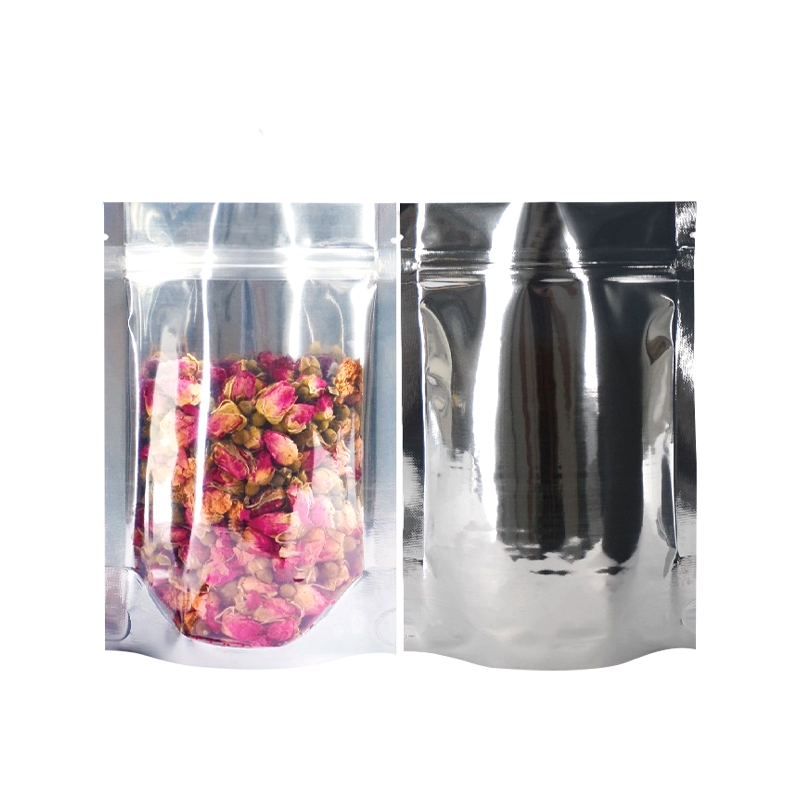
Mylar pouches are made from biaxially-oriented polyethylene terephthalate (BoPET) laminated with other barrier layers. They are the most popular style for cannabis flower because of their exceptional oxygen and moisture barrier properties. A properly sealed Mylar weed bag can maintain product freshness for 12–24 months when heat-sealed.
Mylar stand up pouches typically feature a metallic silver or matte black interior, making them opaque—important in states where cannabis packaging must not be transparent to minors.
Kraft Paper Stand Up Pouch
Kraft paper pouches appeal to brands targeting an eco-conscious audience. They are often lined with a thin Mylar or PE interior layer to maintain barrier performance while presenting a natural, uncoated exterior. Recycled or compostable kraft options are growing, with some certified under ASTM D6400 standards for industrial composting.
The trade-off is that kraft paper offers slightly less barrier protection than full Mylar, making it better suited for products with shorter shelf lives or faster turnover.
Window Stand Up Pouch
Window pouches include a clear panel—typically made from OPP (oriented polypropylene)—that allows the consumer to see the product inside. These are widely used for edibles, gummies, and CBD products where visual appeal drives purchase decisions. However, many U.S. states with recreational cannabis laws restrict or prohibit transparent packaging for flower or products that could attract underage consumers, so check local regulations before choosing this style.
Flat Bottom Stand Up Pouch (Box Pouch)
The flat bottom pouch, sometimes called a box pouch or K-seal pouch, has a rigid, flat base formed by four side gussets. This creates a box-like shape that stands exceptionally well and gives the package a premium, shelf-ready appearance. It's increasingly used for high-end cannabis flower brands targeting dispensary shelf presence. Flat bottom pouches typically hold 3.5g to 28g of product.
Child-Resistant (CR) Stand Up Pouch
CR pouches are a mandatory compliance item in most U.S. cannabis markets. They incorporate a specialized zip mechanism that requires simultaneous squeeze-and-slide action to open—significantly harder for children under 5 years old to operate. In California, Colorado, and Canada, child-resistant packaging is legally required for cannabis retail sale. These pouches carry CPSC 16 CFR 1700.20 certification.
Stand Up Pouch Style Comparison
| Style | Barrier Level | Best For | CR Option | Eco-Friendly |
|---|---|---|---|---|
| Mylar | Very High | Flower, long shelf life | Yes | No |
| Kraft Paper | Medium | Eco brands, edibles | Yes | Yes (lined or unlined) |
| Window | Medium | Gummies, CBD, edibles | Yes | Partial |
| Flat Bottom | High | Premium flower, retail shelf | Yes | No |
| Child-Resistant | High | All regulated cannabis | Always | Limited |
Understanding the Zip on a Weed Bag
The zip closure—also called a zipper, reseal, or press-to-close—is what separates a reusable cannabis pouch from a single-use sealed bag. There are several zip types, and the differences are meaningful for both freshness and child safety.
Standard Press-to-Close Zip
This is the most common zipper on basic weed bags. It consists of two interlocking polyethylene profiles that click together when pressed. It is easy to open and close, but provides only a basic moisture seal—not an airtight lock. Suitable for short-term storage or products consumed quickly.
Child-Resistant (CR) Zip
CR zippers require two simultaneous motions to open—typically squeezing the sides while sliding the closure. Lab testing under CPSC protocol shows that fewer than 20% of children under 5 can open a properly certified CR zip within the allotted time, while over 90% of seniors over 50 can. This makes it effective without being excessively difficult for adults.
Slider Zip
Slider zips use a small plastic tab that runs along a track to open and seal the bag. They are easier to use than press zips for people with limited hand strength and provide a more consistent seal. Slider CR zips combine convenience with compliance and are growing in popularity for premium cannabis packaging.
Heat Seal + Tear Notch (Non-Resealable)
Some weed bags are heat-sealed at the factory with no zipper at all. These are opened via a tear notch and are intended for single use—common with pre-rolls or single-serving edibles. Once opened, the product should be transferred to a separate airtight container for storage.
Common Weed Bag Sizes and What They Hold
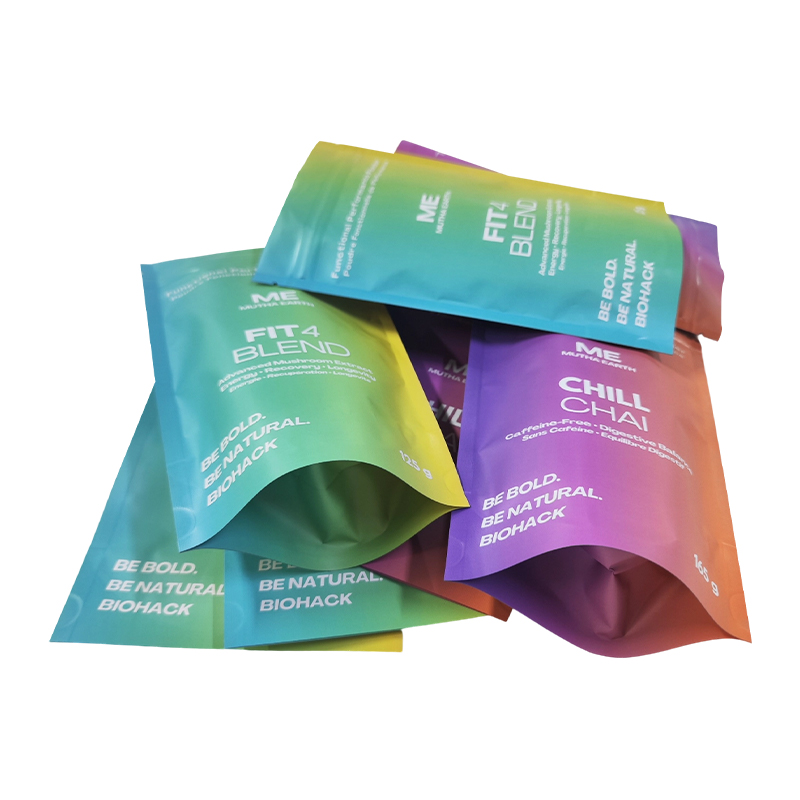
Stand up pouch sizes for cannabis are typically standardized around common retail weights. The physical bag dimensions vary by manufacturer, but the following are widely accepted benchmarks in the industry:
| Product Weight | Common Use | Typical Pouch Size |
|---|---|---|
| 1g | Single-use edibles, concentrates | 3" × 4" |
| 3.5g (1/8 oz) | Flower, most common retail unit | 4" × 6" |
| 7g (1/4 oz) | Flower, regular buyers | 5" × 8" |
| 14g (1/2 oz) | Bulk flower purchase | 6" × 9" |
| 28g (1 oz) | Max legal purchase in many states | 8" × 12" |
What to Look for When Buying or Sourcing Zip Weed Bags
If you're purchasing weed bags for personal storage or sourcing packaging for a cannabis business, these are the key specifications that matter most:
- Barrier rating: Look for bags with an oxygen transmission rate (OTR) below 1 cc/m²/day and moisture vapor transmission rate (MVTR) below 1 g/m²/day for long-term storage.
- Zip type: For regulated markets, confirm the zipper meets CPSC 16 CFR 1700.20 child-resistant standards if CR compliance is required.
- Thickness (mil): Most quality cannabis pouches range from 3.5 mil to 7 mil total wall thickness. Thicker pouches resist puncture better for dense flower.
- Food-grade certification: Materials should comply with FDA 21 CFR standards or equivalent EU food contact regulations if the bag touches consumable product directly.
- Print method: Digital printing suits short runs (500–2,000 units); rotogravure printing is more cost-effective above 10,000 units and produces sharper results.
How Zip Weed Bags Affect Cannabis Freshness
The zip closure is the weakest point in any resealable pouch when it comes to airtightness. A press-to-close zip seals adequately but does not match the hermetic performance of a heat seal. For cannabis, this matters because terpene degradation begins within hours of exposure to open air, and relative humidity inside the bag directly affects whether mold or dryness becomes a problem.
Industry best practice for cannabis flower is to maintain relative humidity between 55% and 62% RH inside the sealed bag. Boveda or Integra humidity packs are frequently inserted into stand up pouches after filling to regulate this automatically. The pouch style and zip quality determine how well that humidity level is maintained over time.
- Mylar zip pouch with humidity pack: maintains freshness for several weeks after opening
- Kraft zip pouch: adequate for 1–2 weeks of repeated opening
- Standard press zip (thin PE): best consumed within days of opening
- Heat-sealed (no zip): maximum freshness before opening, no protection after
Choosing the Right Style for Your Use Case
The right stand up pouch comes down to matching the product type, regulatory environment, and brand positioning. Here's a practical guide:
- Premium flower brand in a regulated state: Flat bottom Mylar pouch with CR slider zip, matte finish, digital print.
- Eco-brand selling edibles: Kraft paper stand up pouch with standard press zip, compostable liner.
- High-volume dispensary commodity flower: Standard Mylar stand up pouch, CR press zip, rotogravure print for cost efficiency.
- CBD gummies or wellness edibles: Window pouch with press zip (non-CR markets) or CR zip where mandated.
- Personal storage of purchased cannabis: Any resealable Mylar stand up pouch sized to the quantity, with a humidity pack inside.
Understanding the interplay between pouch style, zip mechanism, barrier material, and regulatory requirement means you're not just buying a bag—you're choosing a system that protects product integrity from the point of packaging through to the final use.




