
 English
 Español
 عربى
عربىWhen it comes to flexible packaging, two terms you'll encounter constantly are seal pouch and bag gusset. Understanding what they mean — and how they work together — is the foundation of choosing the right packaging for your product. Whether you're sourcing packaging for coffee, snacks, pet food, or industrial powders, this guide walks you through everything you need to know.
Content
What Is a Seal Pouch?
A seal pouch is a flexible packaging container made from one or more layers of film that are joined together along their edges through a sealing process — typically heat sealing. The resulting structure forms a closed, protective enclosure for the product inside.
Seal pouches are distinct from rigid containers like jars or boxes. They are lightweight, space-efficient, and highly customizable in both shape and material composition. Depending on the application, a seal pouch may be designed to lie flat (lay-flat pouch), stand upright (stand-up pouch), or hang from a retail display (hanging pouch).
The term "seal" refers specifically to the bond created between two layers of film. This bond is what gives a pouch its structural integrity, keeping contents secure from the moment of filling through to the consumer's hands. The quality of a seal directly affects product freshness, shelf life, and resistance to leakage or contamination.
What Is a Bag Gusset?
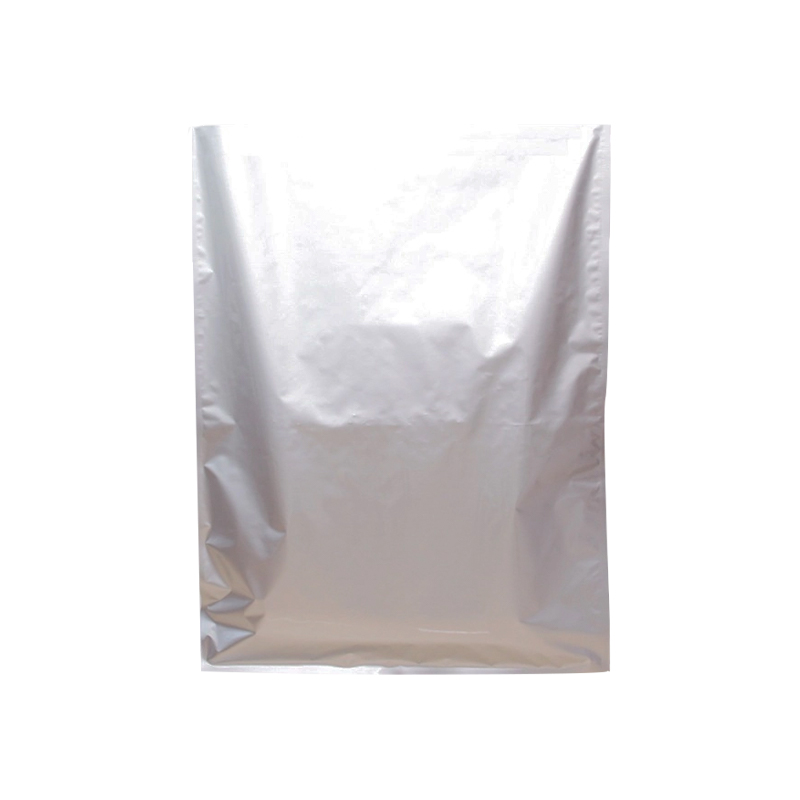
A bag gusset is an additional fold or panel of material built into the side or bottom of a pouch. This fold allows the bag to expand outward when filled, significantly increasing its internal volume without changing its overall footprint when empty.
The word "gusset" has medieval origins — it described the underarm panel of a suit of armor, providing both protection and freedom of movement. In modern packaging, the concept is the same: the gusset adds structural capacity and flexibility to a bag without compromising its protective function.
Without a gusset, a bag is essentially flat — limited in volume and unable to stand upright on a shelf. With a gusset, the same piece of film can form a three-dimensional container capable of holding considerably more product, standing independently, and presenting multiple printable faces for branding.
Types of Bag Gussets
Gusseted bags are broadly divided into two categories based on where the gusset is located: bottom gusset and side gusset. Each has distinct structural characteristics that suit different product and retail needs.
| Type | Gusset Location | Stand-Up Capability | Best For |
|---|---|---|---|
| Bottom Gusset (Stand-Up Pouch) | Base of the bag | Yes — stable upright | Coffee, snacks, supplements, retail display |
| Side Gusset Bag | Both sides of the bag | Partially — with side expansion | Coffee beans, tea, pet food, bulk dry goods |
| Quad Seal / Flat Bottom | Both sides + bottom | Yes — very stable, box-like | Premium packaging, large-volume retail products |
| Plow Bottom | Bottom (no bottom seal) | Yes — product rests on film base | Fine powders, granules, protein powders |
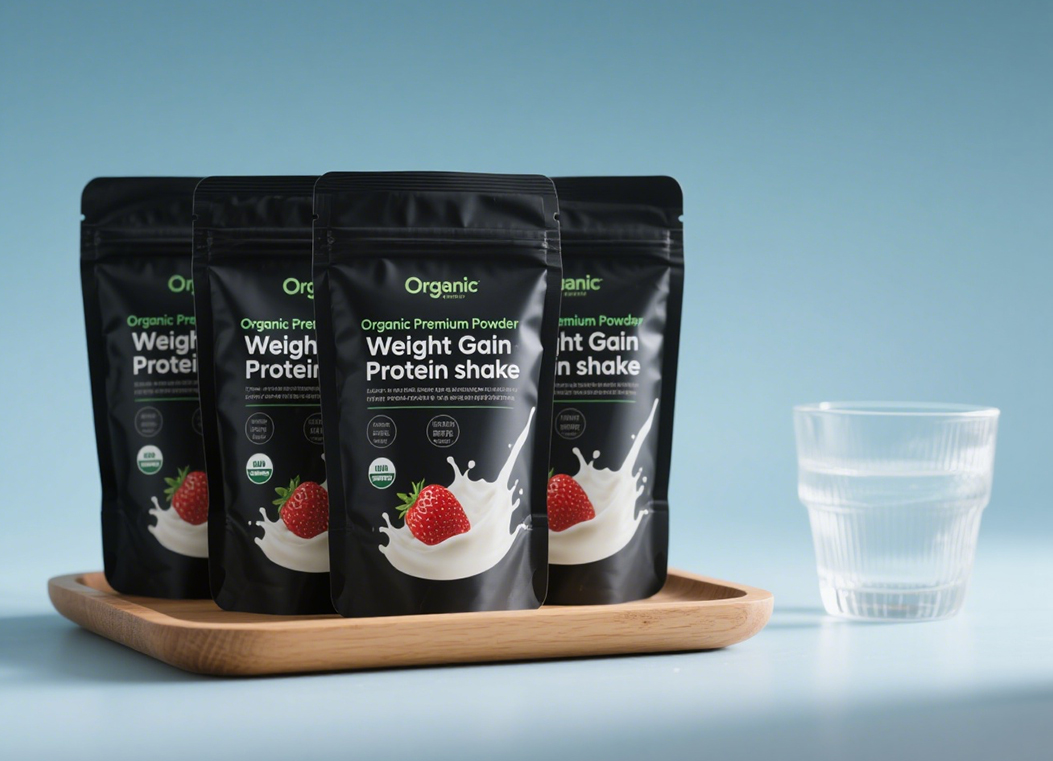
Bottom gusset pouches, also known as stand-up pouches or doypack-style bags, feature a gusset folded into the base. As the bag fills, the bottom expands into a stable, flat foundation. This format dominates retail shelving because the pouch stands upright and provides large front and back panels for brand communication.
Side gusset bags have folds running along both vertical edges. When filled, the sides expand outward, accommodating bulky or irregularly shaped products. They are widely favored for coffee bags, whole-leaf teas, and large-quantity pet food bags where high volume is the priority.
Common Seal Types in Gusset Pouches
The way a gusseted pouch is sealed defines its structural strength, visual finish, and compatibility with filling equipment. Several distinct seal types are used across the industry:
- Heat Seal: The most widely used method. Two layers of film are pressed together under heat and pressure, forming a strong, airtight bond. Used on virtually all types of gusseted pouches.
- Fin Seal (Back Seal): The film edges are folded inward and sealed together along the back of the pouch, creating a visible "fin." Common in flow-wrap and pillow-style bags. You can explore our middle seal bag range for this format.
- K-Seal: A bottom seal style where the corners are diagonally sealed, forming a "K" shape. This reinforces the base of a stand-up pouch and reduces material waste compared to a full doyen seal.
- Skirt Seal: Similar to a K-seal but with a visible portion of unsealed film at the bottom edge, giving the pouch a "skirted" appearance. Offers excellent stability for heavier products.
- Doyen Seal: A U-shaped seal at the bottom that bonds the front and back panels to the gusset. Creates a wide, stable base and is among the most recognizable stand-up pouch formats in food retail.
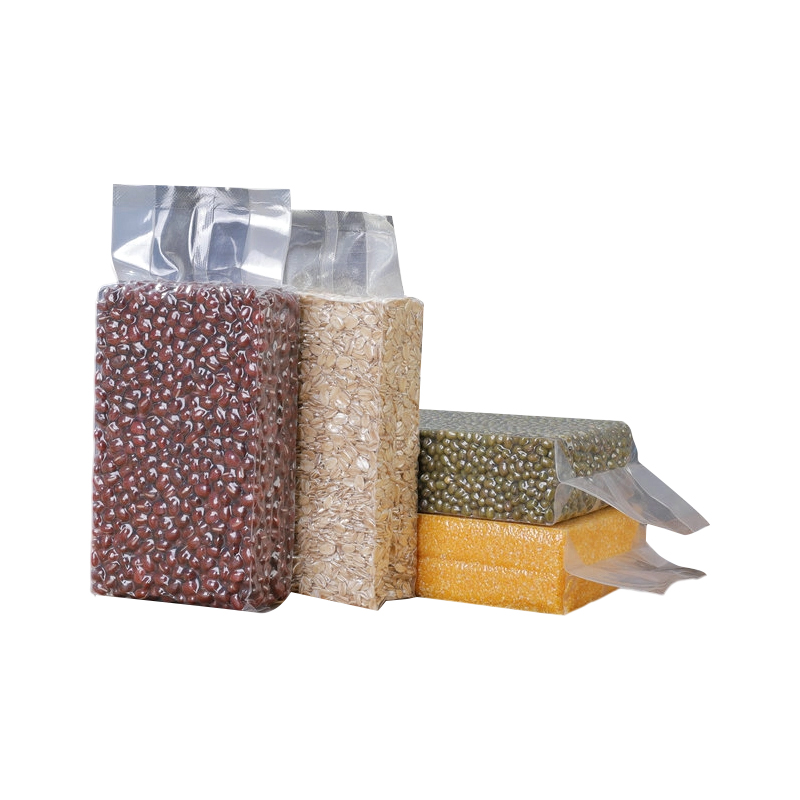
The right seal type depends on the filling machine being used, the weight and texture of the product, and the desired shelf presentation. For products requiring complete air removal, consider our vacuum seal bags, which combine airtight sealing with flexible pouch construction.
Industries and Applications
Gusseted seal pouches have become the default packaging format across a broad spectrum of industries, driven by their volumetric efficiency, barrier performance, and shelf impact.
Coffee and Tea: Side gusset foil bags with one-way degassing valves are the industry standard for whole-bean and ground coffee. The gusset accommodates the irregular shape of roasted beans, while the valve allows CO₂ to escape without admitting oxygen.
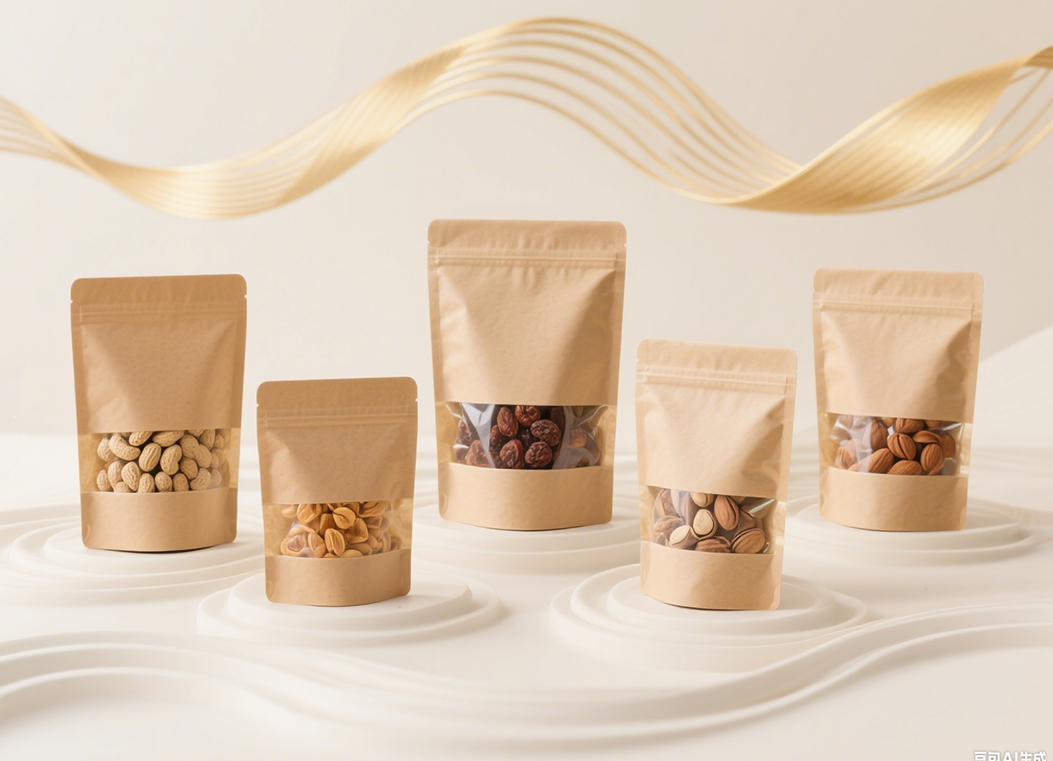
Snacks and Dry Foods: Bottom gusset stand-up pouches are ubiquitous for chips, granola, nuts, dried fruit, and cereals. Their upright format maximizes shelf visibility, and resealable zippers (where included) improve the consumer experience.
Pet Food: Both side gusset and bottom gusset formats are used depending on pack size. Small treat bags typically use bottom gussets for retail appeal, while multi-kilogram kibble bags rely on large side-gusset formats with reinforced seals to handle heavy fills.
Powders and Granules: Products like protein powders, flour, fertilizers, and chemical granules benefit from plow-bottom gusset designs, which prevent fine particles from becoming trapped in bottom seams — a common issue with other formats.
Pharmaceuticals and Supplements: Child-resistant zipper closures combined with heat-sealed gusset pouches are widely used for capsules, tablets, and herbal products. The reclosable format maintains product integrity between uses.
How to Choose the Right Gusseted Seal Pouch
Selecting the correct gusseted pouch involves balancing four key variables: product characteristics, retail requirements, filling process, and barrier needs.
Product weight and volume: Heavier products (above 1 kg) generally require side gusset bags or quad-seal formats with reinforced seams. Lighter retail products are well served by standard stand-up bottom gusset pouches.
Product form factor: Fine powders and granules perform best in plow-bottom designs to prevent product contamination in bottom seals. Irregularly shaped items like whole coffee beans or snack pieces suit side gusset or doyen-base formats.
Shelf display requirements: If the product will be displayed upright in a retail environment, a bottom gusset stand-up pouch with a wide base is the strongest choice. For hanging displays, a three-side seal or flat pouch with a hang hole may be more appropriate.
Filling and sealing equipment: Form-fill-seal machines operating with rollstock typically produce fin-seal or pillow-style bags. If you are using premade pouches on a packing line, confirm the gusset type is compatible with the filling head dimensions and seal bar configuration.
Barrier requirements: Products sensitive to moisture, oxygen, or light require multilayer laminate films with appropriate barrier ratings. High-barrier foil laminates, metallized films, and specialty coatings can be incorporated into any gusset format.
The Right Packaging Starts with the Right Partner
Understanding the relationship between seal pouches and bag gussets is the first step toward packaging that protects your product, elevates your brand, and performs efficiently on the production line. The variety of gusset types, seal styles, materials, and features available in modern flexible packaging means there is a precise solution for virtually every product — but finding it requires both technical knowledge and manufacturing capability.
At BC Plastic Packaging, we specialize in custom flexible packaging solutions including a full range of gusseted seal pouches across all major formats and materials. Whether you need a high-barrier coffee pouch, a heavy-duty side gusset pet food bag, or a child-resistant pharmaceutical pouch, our team can develop and manufacture a solution tailored to your specifications. Contact us today to discuss your packaging requirements and request a sample or quote.




