 English
 Español
 عربى
عربى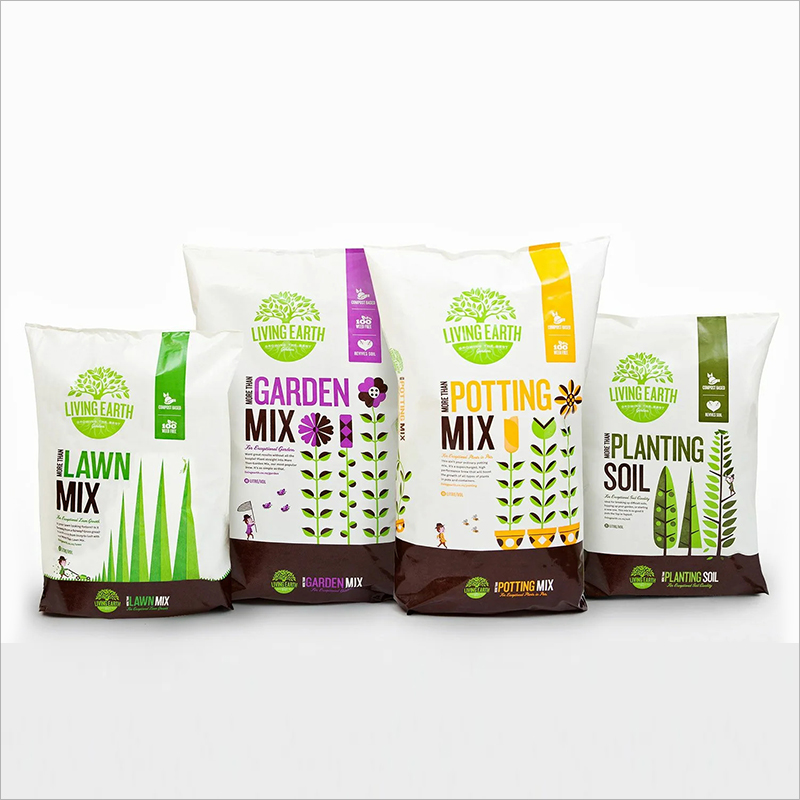
In agriculture, the application of packaging bags and roll films must focus on freshness preservation, logistics optimization, cost control, and environmental sustainability to address pain points such as perishability, high transportation loss, and packaging pollution. The following multi-dimensional analysis outlines innovative solutions:
Packaging Bags: Full-Cycle Protection and Value-Added Carriers for Agricultural Products
1. Material Innovation: Targeted Freshness and Safety
High-Barrier Composite Materials
Specialized Fruit & Vegetable Freshness Bags: Tri-layer PE/EVOH/PE structure with oxygen permeability < 5cc/day and controlled CO₂ release, delaying respiration. Example: A strawberry packaging bag extends shelf life to 7–10 days.
Moisture-Proof & Insect-Resistant Grain Bags: Inner PE + outer PP woven fabric with aluminum foil layer prevents mildew and pests, suitable for rice and corn storage with shelf life extended to 12 months.
Biodegradable Materials
Starch-based PLA/PBAT film bags degrade completely within 6–12 months in natural environments, solving traditional plastic residue issues for organic agricultural products.
2. Functional Design: Adapted to Agricultural Scenarios
Breathable & Humidity-Controlled Structures
Mushroom packaging uses perforated micro-porous films with breathability of 300cc/m²·24h to balance humidity, reducing rot rate; kiwi bags include absorbent pads for excess moisture.
Puncture & Tear Resistance
Thickened woven bags for root crops like potatoes and onions have tear strength > 200N, paired with anti-abrasion linings to minimize transport damage.
3. Traceability & Marketing Integration
QR Code Traceability Packaging Bags
Printing QR codes with origin, growth cycle, and pesticide residue data enhances consumer trust. Example: An organic vegetable brand achieves 20% price premium via traceability codes.
Differentiated Visual Design
Regional patterns and ecological colors strengthen brand identity, such as Gannan navel orange packaging incorporating Hakka cultural elements to boost sales.
Roll Films: Core of Automated Packaging and Efficient Production in Agriculture
1. Material Technology: Meeting Stringent Agricultural Requirements
Weather-Resistant Agricultural Films
Greenhouse PE/POE co-extruded films with UV and anti-aging additives last 3–5 years, maintaining light transmittance > 90%.
Food-Grade Packaging Roll Films
PET/PE composites for pre-cooked and frozen agricultural products resist high-temperature steaming (121℃) or low temperatures (-40℃), ensuring quality stability for frozen dumplings.
2. Production Adaptation: Enhancing Agricultural Packaging Efficiency
High-Speed Packaging Line Integration
Roll films fit fully automated three-side/four-side sealing machines, achieving 200 packs/minute for bulk packaging of granular products like rice and beans.
Customized Printing & Slitting
Digital printing supports quick switching of variable data (dates, batch numbers) for small batches; slitting accuracy reaches ±0.5mm for diverse needs.
3. Functional Innovation: Expanding Agricultural Applications
Self-Healing Agricultural Films
Greenhouse roll films with shape-memory polymers automatically heal at 50–60℃, reducing replacement frequency and costs.
Temperature-Humidity Sensing Roll Films
Built-in thermosensitive inks or humidity indicator strips change color under abnormal conditions, monitoring fruit and vegetable storage in real time.
Sustainable Solutions: Green Transition of Agricultural Packaging
Recyclability & Circular Use
Promoting single-material (PP/PE) bags and films for easy recycling; some enterprises establish "collection-cleaning-recycling" loops, reusing materials for non-food agricultural products.
Reduced Material Design
Optimizing structures to thin packaging, e.g., lowering grain woven bags from 80g/m² to 65g/m², increasing packaging volume per ton by 23% while cutting costs and carbon emissions.
Biobased Substitutes
Degradable roll films made from straw fiber or sugarcane bagasse replace traditional plastics, reducing carbon footprint by 60% for one brand.
Future Trends: Integration of Intelligence and Ecology
Smart Monitoring Packaging: Embedding sensors in roll films to track real-time temperature, humidity, and gas concentration, with IoT data upload for remote alerts.
Nanotechnology Applications: Developing nano-antibacterial packaging bags to inhibit microbial growth, and nano-coated roll films for enhanced anti-fog and UV resistance.
Digital Customization Platforms: Farmers can design bag patterns and select materials online, enabling rapid small-batch production via 3D printing or digital printing.
In agriculture, packaging bags and roll films are evolving from mere "protection containers" to comprehensive solutions for freshness preservation, efficiency enhancement, brand empowerment, and ecological friendliness, supporting high-quality modern agricultural development.