 English
 Español
 عربى
عربى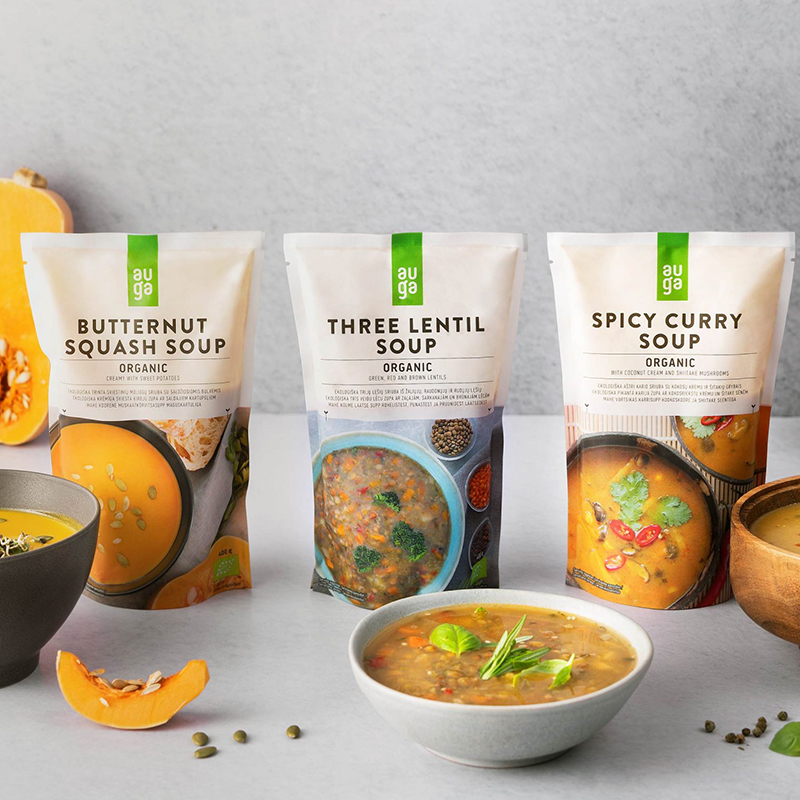
In the food industry, packaging bags and roll films play a critical role in ensuring product safety, extending shelf life, enhancing brand appeal, and meeting environmental requirements. Below are tailored packaging solutions for various food categories, covering material selection, functional design, production processes, and industry trends.
1. Common Food Packaging Types
(1) By Packaging Form
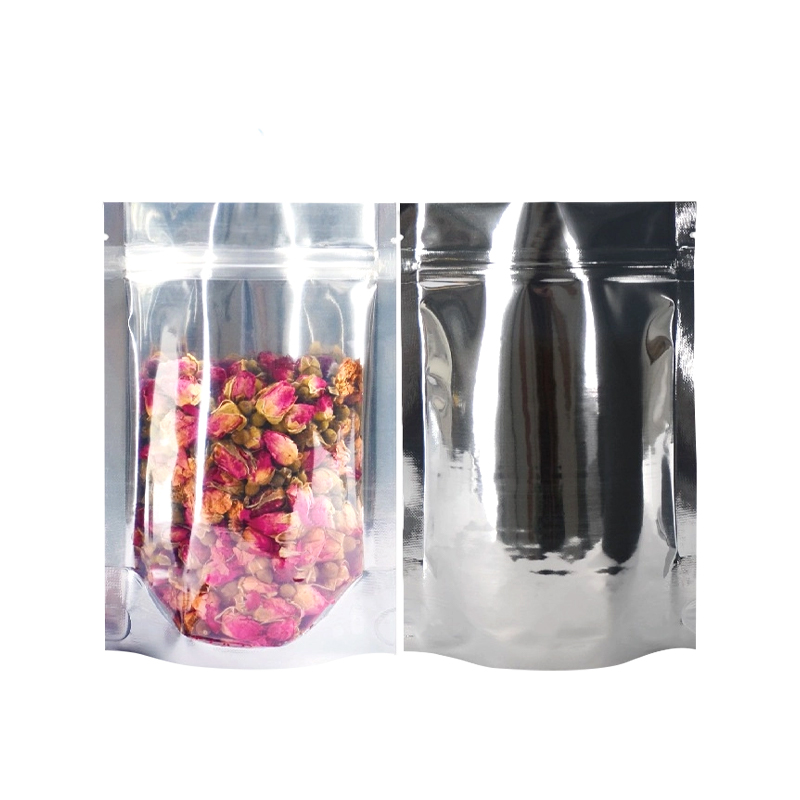
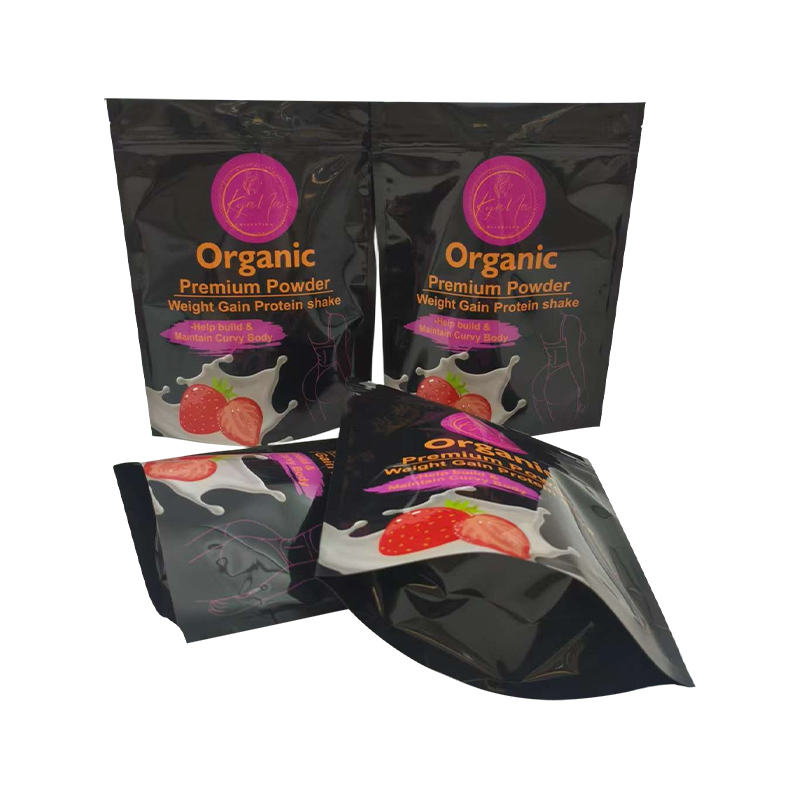
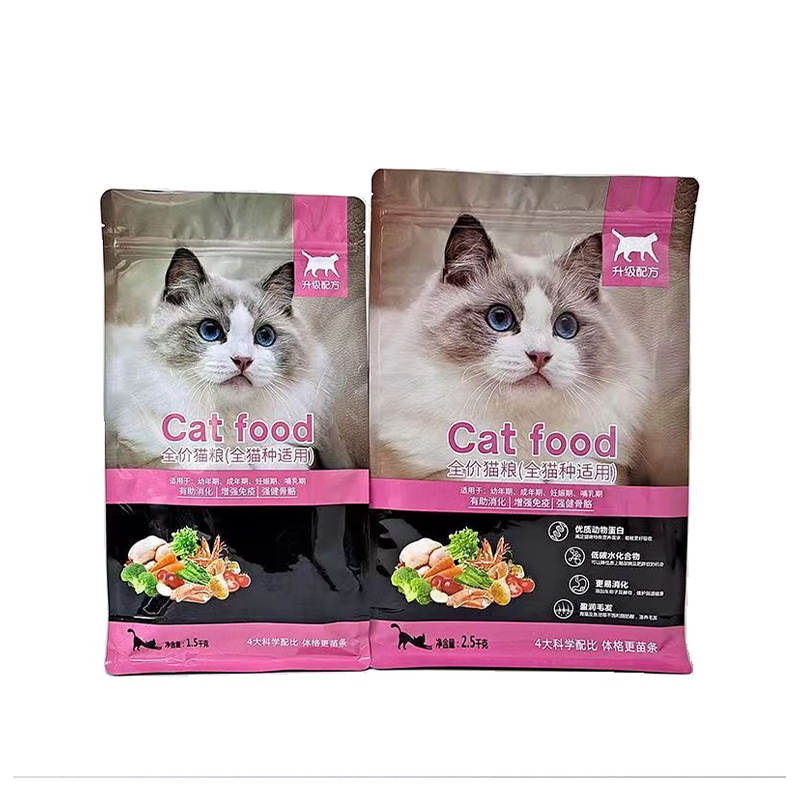
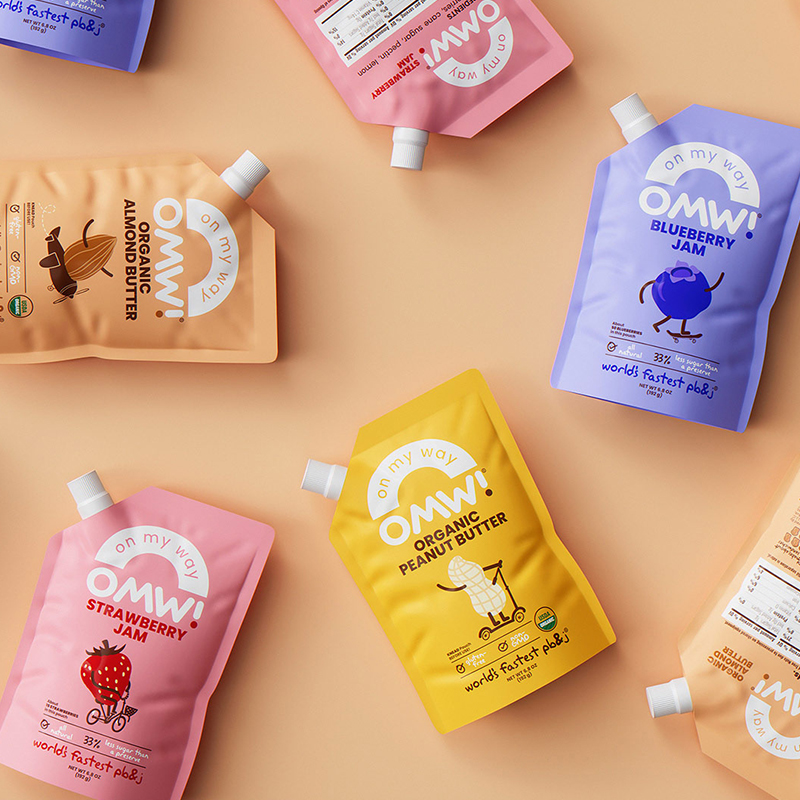
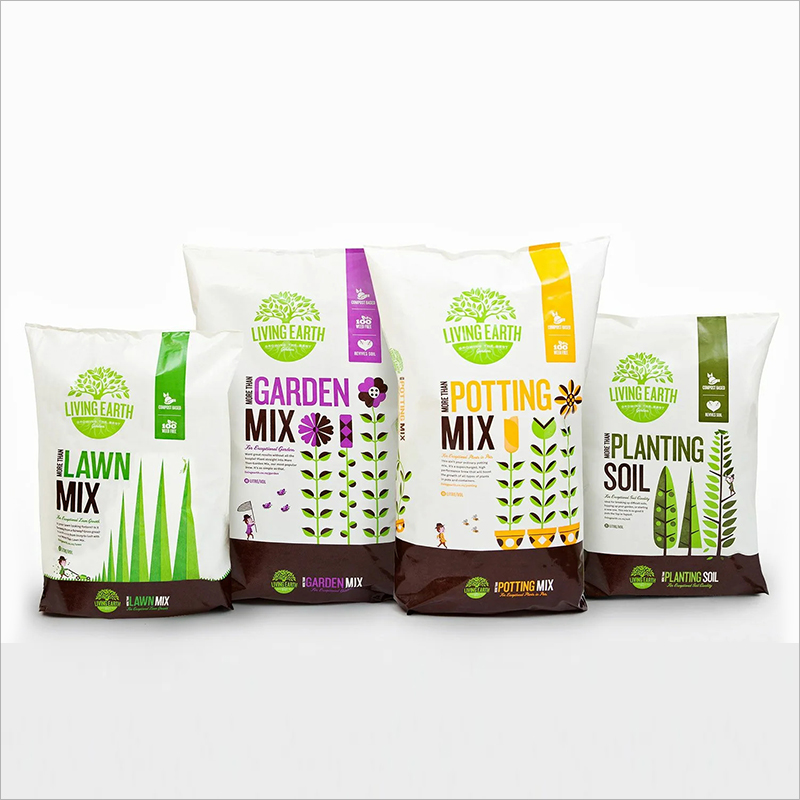
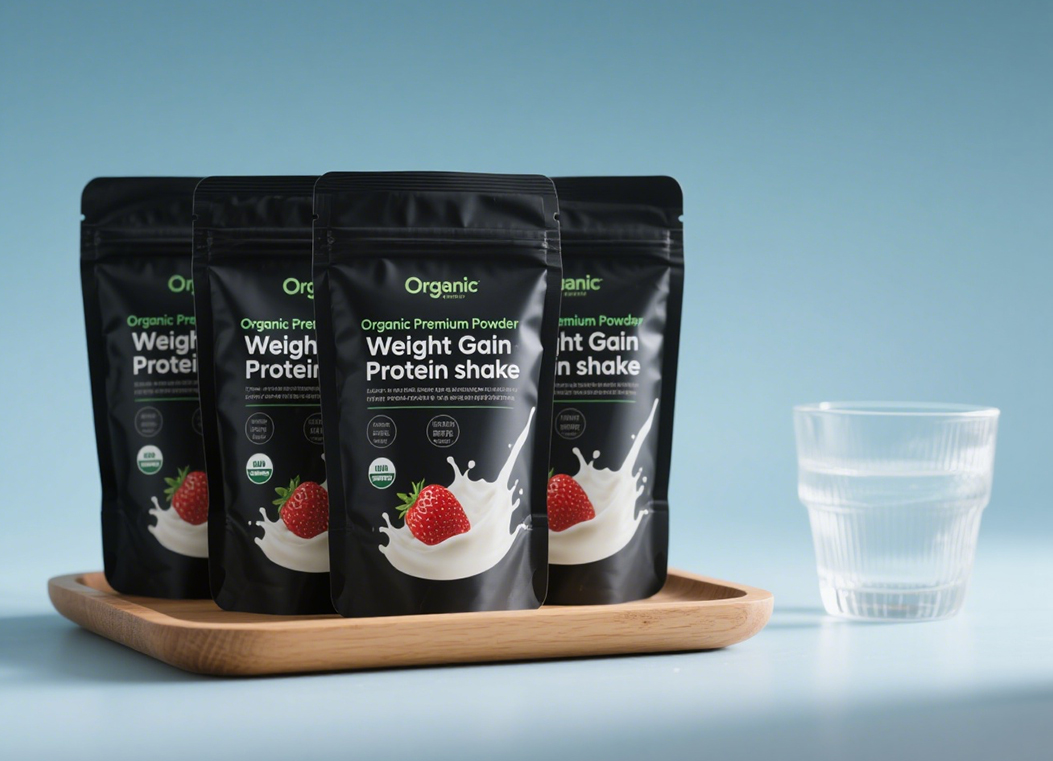
Stand-up Pouches: Suitable for sauces, snacks, pet food, etc., with self-standing display for better shelf presence.
Roll Films: Used in automatic packaging machines (e.g., VFFS vertical form-fill-seal) for candies, biscuits, frozen foods, etc.
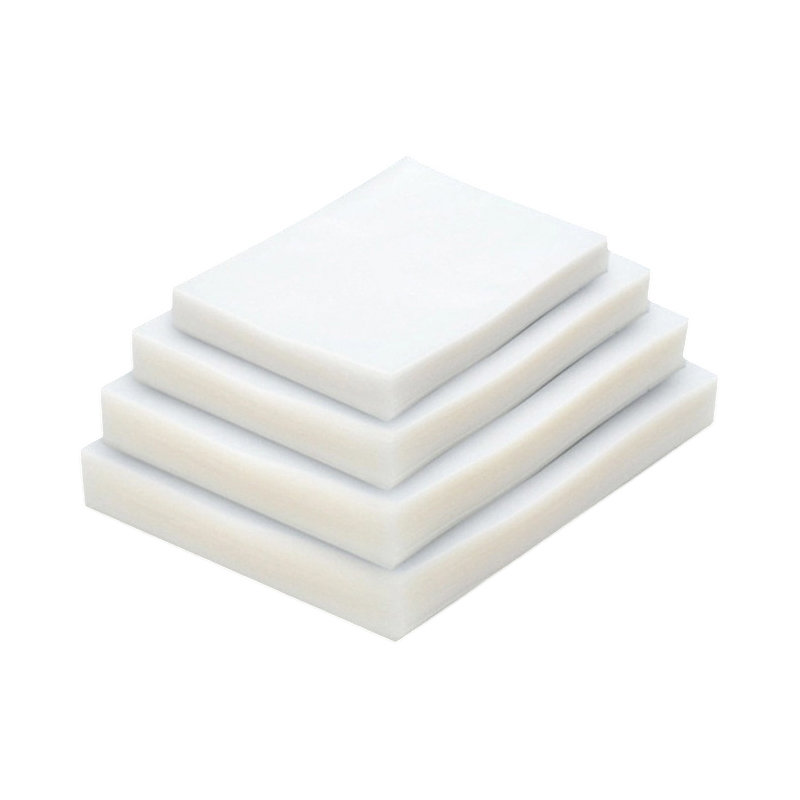
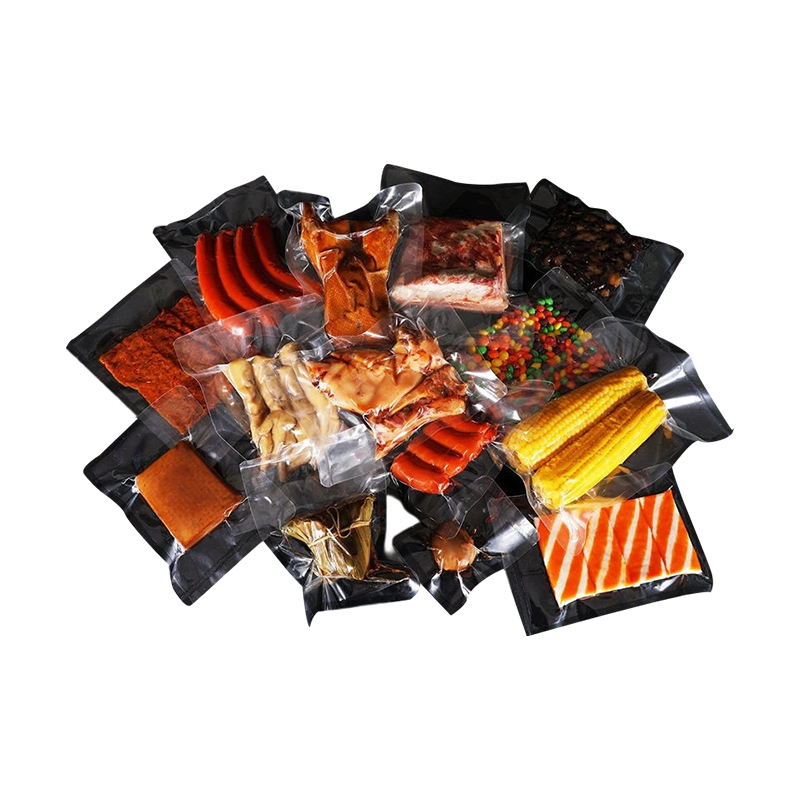
Vacuum Bags: Ideal for high-preservation needs (e.g., meat, seafood, cheese).
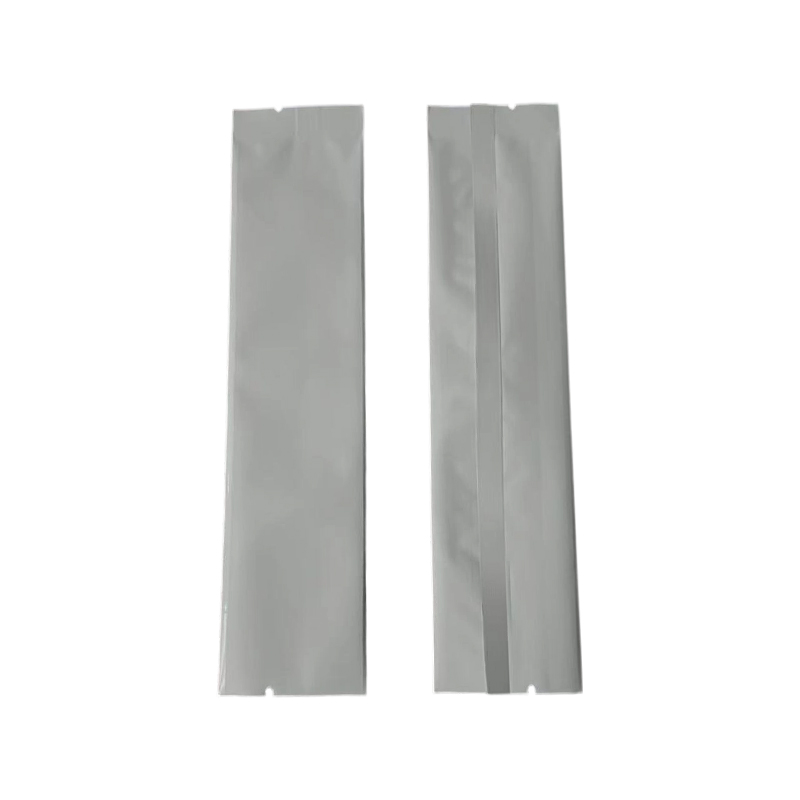
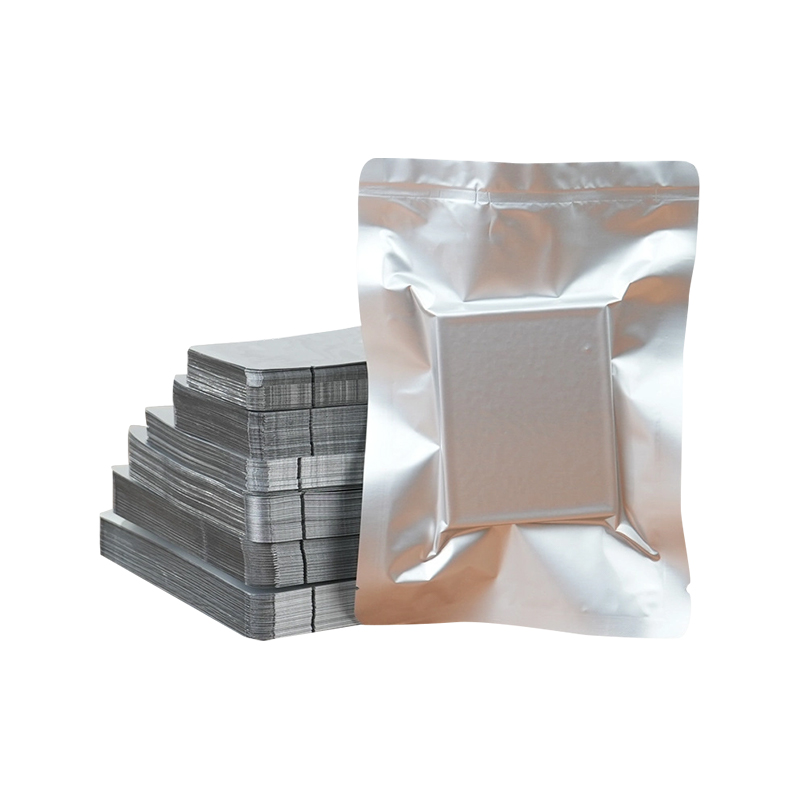
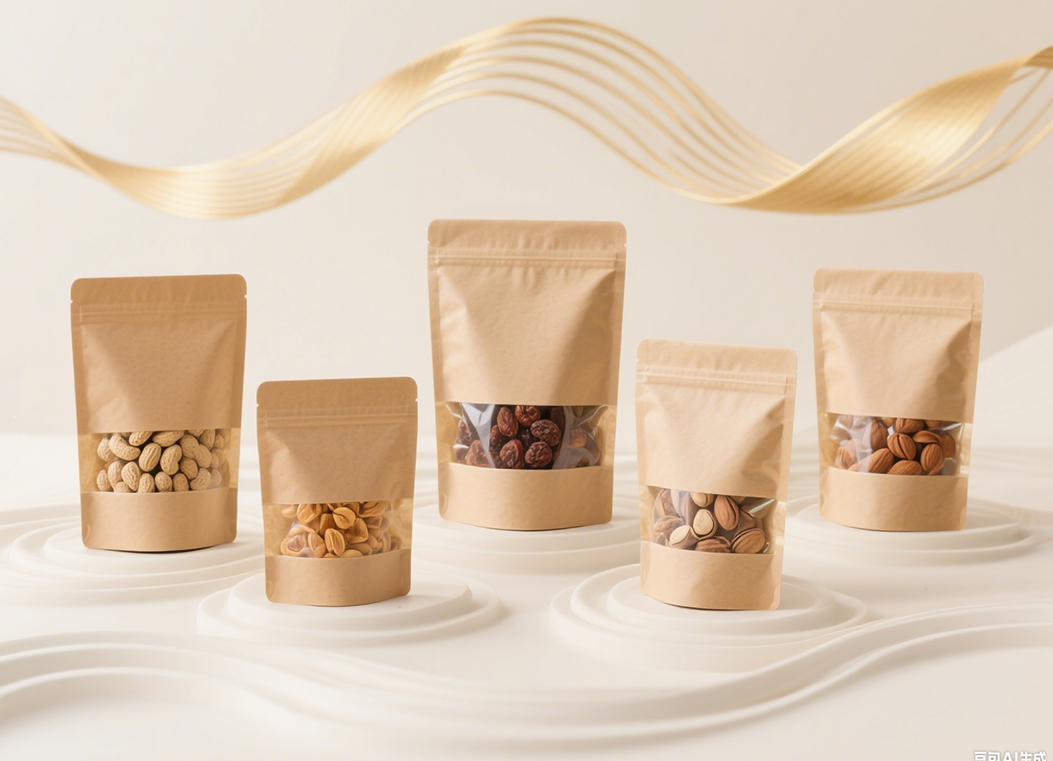
Aluminum Composite Bags: Provide high barrier properties for coffee, nuts, and puffed snacks.
Zipper Bags: Resealable for snacks, dried fruits, and pet food.
2. Key Performance Requirements
(1) Barrier Properties
Oxygen Barrier (EVOH, aluminum foil): Extends shelf life (e.g., meat, nuts).
Moisture Barrier (PE/PP): Prevents dampness (e.g., biscuits, puffed snacks).
UV Protection (UV coating): Protects light-sensitive foods (e.g., cooking oil, dairy).
(2) Mechanical Properties
Puncture Resistance (PA layer): For bone-in meat, frozen foods.
Tensile Strength (BOPP/BOPET): Compatible with high-speed packaging (300+ packs/min).
(3) Seal Integrity
Heat Seal Strength: Prevents leaks (e.g., sauces, liquid foods).
Easy-Tear Features: Consumer-friendly opening (e.g., snacks, coffee packaging).
(4) Printability
High-definition flexo/gravure printing: For branding, QR codes, promotions.
Food-grade inks: Compliant with FDA/GB 4806 safety standards.
3. Material Selection & Structure
(1) Single-Layer Films (Low-cost, short shelf life)
LDPE: For bread bags, basic snack packaging.
HDPE: Stiffer, suitable for vertical packaging.
(2) Eco-Friendly Materials
Biodegradable films (PLA/PBAT): For short-shelf-life foods (e.g., fresh produce).
Paper-plastic composites: Partial plastic replacement (e.g., cereals, tea).
4. Industry Trends & Innovations
(1) Sustainable Packaging
Down-gauging: Thinner materials (e.g., reduced from 15μm to 12μm) to cut plastic use.
Mono-material designs (All-PE/PP): Improve recyclability.
Bio-based plastics: Sugarcane-based PE, mushroom packaging as fossil-fuel alternatives.
(2) Smart Packaging
NFC/RFID tags: For traceability and anti-counterfeiting.
Thermochromic inks: Indicate freshness (e.g., chilled foods).
(3) Convenience Features
Laser-scored easy-tear: No scissors needed.
Resealable zippers: Extend post-opening shelf life (e.g., pet food).
5. Compliance & Certifications
Food safety: Compliant with FDA, EU 10/2011, GB 4806.
Eco-certifications:
Compostable: OK Compost, TÜV AUSTRIA.
Recyclable: How2Recycle label, GRS certification.
Conclusion
Food packaging bags and roll films must be tailored to product-specific needs (e.g., moisture, oil, oxygen sensitivity) while balancing barrier properties, mechanical strength, print quality, and sustainability. Future trends include:
High-barrier + recyclable (e.g., mono-material structures)
Smart packaging (traceability, freshness indicators)
Bio-based/biodegradable materials replacing conventional plastics