 English
 Español
 عربى
عربى
Medical packaging, as a critical safeguard for patient and healthcare safety, must meet strict requirements for sterilization compatibility, biological safety, traceability, and regulatory compliance. The application of bags and roll films in medical scenarios is undergoing technological iteration focusing on material innovation, sterilization adaptation, intelligent monitoring, and compliance systems. Below is an in-depth analysis of solutions:
Medical Packaging Bags: Core Vessels of Aseptic Barrier Systems
1. Material Systems: Adapted to Sterilization Processes and Biological Safety
Sterilization-Compatible Composite Materials
Ethylene Oxide (EO) Sterilization: Common combination of Tyvek® (dialysis paper) + medical-grade PE film, with air permeability controlled at 20–50cc/min to ensure sterilizing gas penetration while blocking microorganisms (e.g., syringe packaging bags).
Irradiation Sterilization (γ-ray/Electron Beam): Uses PET/PE composite films, which must withstand 25–50kGy irradiation doses without plasticizer migration (e.g., packaging for implantable devices).
Biocompatible Materials
Compliant with ISO 10993 standards, the inner layer of packaging bags uses medical-grade LDPE, with cytotoxicity test OD values < 0.1 (e.g., surgical suture packaging).
2. Structural Design: Tamper Resistance and Asepsis Maintenance
Easy-Peel Sterile Opening System
Heat-sealed edges adopt laser pre-cutting technology, with peeling force controlled at 8–12N to ensure no fiber debris is generated during aseptic operation (referencing 3M sterilization packaging bag design).
Anti-Puncture and Cushioning Structure
Orthopedic device packaging uses a composite design of PE bag + EVA cushioning layer, with anti-puncture force > 50N and 100% aseptic barrier integrity after drop tests (1.2m height).
3. Intelligent Monitoring Functions: Visualization of Sterilization Status
Integration of Chemical Indicators (CI)
Temperature-time sensitive inks are printed on the packaging bag surface, changing color from yellow to dark green after EO sterilization, with a color change accuracy of 99.7% (e.g., Johnson & Johnson surgical device packaging).
Microbial Penetration Indicator
Embedded pH test strips change from blue to pink when exposed to body fluids due to packaging damage, used for integrity monitoring of wound dressing packaging.
Medical Roll Films: Cornerstones of Automated Packaging and Compliant Production
1. Material Technology: High Barrier and Sterilization Adaptability
Pharmaceutical Blister Roll Films
Structure: Aluminum foil (99.5% pure aluminum) + PVC/PVDC composite film, with oxygen permeability < 0.5cc/day and water vapor permeability < 1g/day, suitable for moisture and oxidation protection of tablets and capsules (e.g., Pfizer vaccine lyophilized powder blister packaging).
Sterile Medical Device Roll Films
Adopt three-layer co-extruded PE/PP/PE, with melt index (MI) controlled at 2.5–3.0g/10min to ensure thickness uniformity error < 3% during thermoforming (e.g., roll films for syringe automatic packaging lines).
2. Printing and Processing: Compliant Marking and Precision Molding
FDA/GMP Compliant Printing
Uses UV-cured water-based inks with heavy metal content (lead, cadmium) < 10ppm, supporting variable data printing (e.g., unique traceability codes for each package of devices).
Micro-Molding and Sealing Technology
Roll films form blisters through thermoforming machines, with sealing strength reaching 15–20N/15mm and no bubbles in vacuum leak tests (-20kPa) (referencing Terumo blood glucose meter test strip packaging).
3. Automation Adaptation: High-Speed Packaging Line Integration
Roll Film Tension Control System
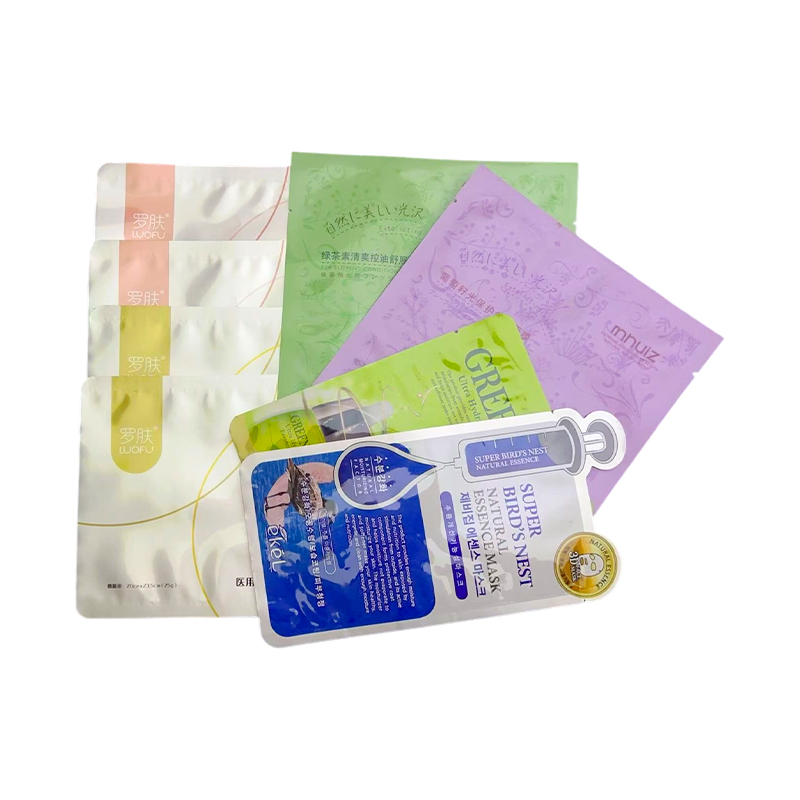
In mask packaging production lines, roll film unwinding tension is controlled at 12–15N to ensure no wrinkles during high-speed production of 120 packs per minute (e.g., 3M mask automatic packaging line).
Compliance Systems and Standard Certifications: Hard Thresholds for Medical Packaging
Sterilization Validation and Traceability Systems
Process Qualification (PQ) for Sterilization
Packaging bags must validate sterilization dosage through the half-cycle method. For EO sterilization, the half-cycle dosage is set to 15kGy, and the actual production dosage is determined as 25kGy after validation.
Blockchain Traceability Integration
Production batches, sterilization records, quality inspection reports, and other data are embedded in QR codes printed on roll films, allowing full-chain information viewing by scanning (e.g., Mindray medical device packaging traceability system).
Special Scenario Solutions: From Consumables to Implantable Devices
1. Vaccine Cold Chain Packaging
Packaging Bag + Temperature Control Unit Integration
Adopts PE aluminum foil composite bags + phase change materials (PCM), maintaining -20℃ for 48 hours, with built-in RFID temperature tags for real-time data upload to cloud platforms (referencing Moderna vaccine transportation packaging).
2. Implantable Device Packaging
Double-Bag System + Aseptic Transfer
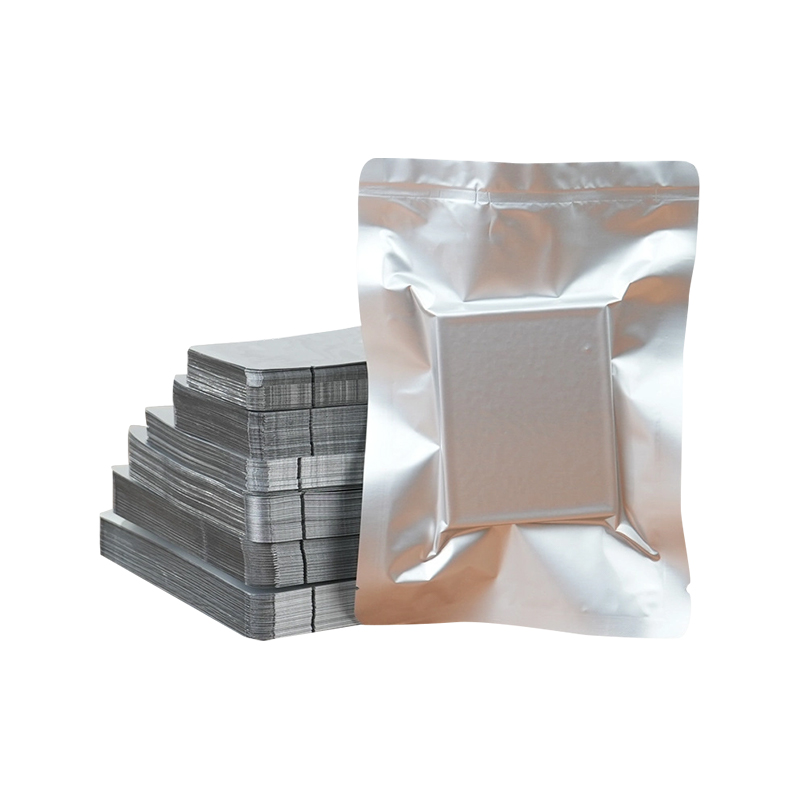
The inner bag is a Tyvek®/PE composite film (EO sterilized), and the outer bag is a PET/AL/PE high-barrier bag (irradiation sterilized), avoiding contamination through aseptic transfer windows during opening (e.g., cardiac stent packaging).
3. Disposable Medical Consumables
Roll Film High-Speed Packaging Solutions
Infusion set packaging uses PP/PE roll films, controlled by a servo motor for heat-sealing temperature (180–200℃), achieving mass production of 200 packs per minute with a sealing pass rate > 99.9%.
Sustainable Trends: Green Transformation of Medical Packaging
1. Material Reduction and Substitution
Thinning Design
Reducing the thickness of syringe packaging bags from 120μm to 80μm increases packaging volume per ton of material by 50%, with a multinational pharmaceutical company reducing plastic use by 800 tons annually using this solution.
Exploration of Recyclable Materials
A German enterprise has developed recyclable PE/PP co-extruded roll films, which can be processed through a dedicated recycling line for recycled materials used in non-sterile medical packaging (e.g., medical waste bins).
2. Reusable Packaging Systems
Reusable Sterilization Transfer Boxes
Made of medical-grade PP material with silicone rubber seals, capable of withstanding >50 cycles of 134℃ high-pressure steam sterilization, used for in-hospital device transportation (e.g., Mayo Clinic surgical instrument transfer boxes).
Future Technical Directions
Intelligent Packaging Integration: Embedding NFC chips in roll films to display sterilization dates, expiration dates, and transportation temperature curves when read (e.g., Boston Scientific vascular stent packaging).
Bioabsorbable Packaging: Developing PLA/PGA copolymer packaging bags for short-term implantable devices, which can degrade into harmless substances in the body (currently in animal testing stages).
AI Visual Inspection: Deploying AI cameras on roll film production lines to detect micro-hole defects below 0.1mm in real-time, with false detection rates < 0.5% (referencing Johnson & Johnson medical packaging quality inspection systems).
The core competitiveness of medical packaging lies in balancing "safety compliance" and "technological innovation". Through the integration of materials science, sterilization processes, and intelligent technologies, bags and roll films are evolving from "containers" to composite systems of "aseptic barriers + data carriers", providing underlying support for precision medicine and infection control management.