
 English
 Español
 عربى
عربى
In the electronics industry, the application of packaging bags and roll films must address core needs such as electrostatic discharge (ESD) protection, moisture-proofing, oxidation resistance, precision cushioning, and environmental compliance to ensure the integrity of electronic products during production, transportation, and storage. The following multi-dimensional analysis outlines innovative solutions:
Packaging Bags: Safeguards for Electronic Components
1. Material Systems: Targeted Protection Technologies
ESD-Protective Composite Materials
Shielding Bags (Faraday Bags): Constructed from PET aluminized film combined with conductive PE, featuring surface resistance ≤10⁹Ω to effectively shield external electromagnetic interference. Used for packaging sensitive chips and circuit boards to prevent ESD damage.
Antistatic PE Bags: Incorporated with permanent antistatic agents, maintaining friction voltage <100V. Suitable for (transfer) and transportation of small electronic components (resistors, capacitors) to prevent static adsorption of dust or short circuits.
Moisture and Oxidation Resistance Materials
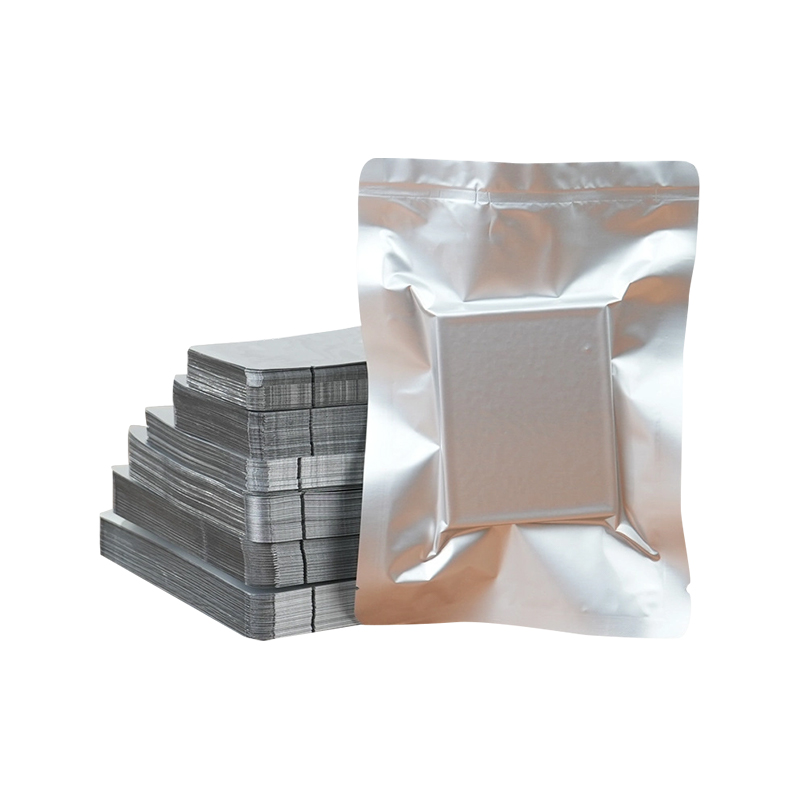
Aluminum Foil Composite Bags: Three-layer structure (PET/AL/PE) with water vapor transmission rate < 0.5g/m²·24h and oxygen permeability < 1cc/m²·24h. Paired with desiccants for storing semiconductor wafers and optical modules, extending shelf life to 12 months.
2. Structural Design: Adapted to Electronics Industry Needs
Zipper Sealing Combined with Easy-Tear Lines
ESD bags feature resealable zippers and laser-cut easy-tear lines for quick access and secondary sealing. Example: Mobile phone motherboard packaging enables "open-use-seal" on assembly lines.
Cushioning and Fixation Structures
Bags with (built-in) EPE pearl cotton or honeycomb paper trays use customized grooves to secure electronic devices. Drop tests (1.2m height) show 100% product integrity, suitable for laptop and monitor transportation.
3. Traceability and Compliance Design
RFID/NFC-Integrated Packaging Bags
RFID chips embedded in high-end electronic device packaging record production batches, quality inspection data, and logistics tracks for full-chain traceability (e.g., Apple's serial number binding system).
RoHS-Compliant Materials
Utilizes halogen-free flame-retardant PE and heavy metal-free inks, ensuring packaging meets EU RoHS Directive to avoid export risks.
Roll Films: Efficient Engines for Electronic Automated Packaging
1. Material Technology: Precision Protection and Production Adaptation
Ultra-Low Friction Coefficient Roll Films
Used for carrier tape packaging in SMT chip mounting lines, with surface friction coefficient ≤0.15 to ensure precise peeling of electronic components (SMD resistors, ICs), reducing material jamming rates.
Antistatic Heat-Sealing Roll Films
PE/EVOH/conductive layer composite structure with heat-sealing strength ≥15N/15mm, suitable for fully automatic three-side sealing machines to achieve high-speed packaging of Bluetooth headsets and smartwatches.
2. Production Adaptation: Intelligence and Flexibility
High-Speed Packaging Line Integration
Roll films fit servo-driven packaging machines, achieving stable production of 300 packs/minute with error rate < 0.3% via tension closed-loop control, meeting mass shipment needs for consumer electronics.
Digital Printing and Variable Information
Adopts UV digital printing to real-time print QR codes, anti-counterfeiting codes, and product parameters on roll films, supporting small-batch customization (minimum order 50m) for rapid electronic product iteration.
3. Functional Innovation: Expanding Application Boundaries
Temperature-Humidity Indicator Roll Films
Built-in thermochromic inks or humidity sensor strips change color under abnormal conditions, real-time monitoring storage status of precision instruments (industrial controllers).
Electromagnetic Shielding Roll Films
Nano-scale conductive particles added to electromagnetic shielding materials, achieving shielding effectiveness > 60dB for packaging military-grade electronic devices against strong electromagnetic interference.
Sustainable Solutions: Green Transition of Electronic Packaging
Recyclable Material Substitution
Promotes single-material (full PP/PE) ESD bags and roll films to replace traditional multi-layer composites, reducing recycling difficulties. One enterprise reduced packaging carbon footprint by 40% using recyclable PET roll films.
Reduced Material Design
Structural optimization thins packaging, e.g., reducing mobile phone box foam liners from 10mm to 6mm, saving 15% material cost per batch and lowering transportation volume.
Circular Use Models
Establishes electronic packaging circular sharing platforms, e.g., Foxconn's "transfer box + ESD bag" leasing service with 85% reuse rate, reducing packaging waste by over 10,000 tons annually.
Future Trends: Integration of Intelligence and Sustainability
Smart Monitoring Packaging: Embeds sensors in roll films to real-time track vibration and tilt data of electronic products, with IoT upload for early warnings against transport damage.
Nanotechnology Applications: Develops nano-coated antistatic materials to enhance shielding performance and abrasion resistance; nano-scale ventilation holes balance moisture-proofing and breathability.
Biobased Antistatic Materials: Explores degradable antistatic packaging from lignin and chitin to solve packaging pollution in the electronics industry.
In the electronics industry, packaging bags and roll films are evolving from basic protective tools to comprehensive solutions for "intelligent protection + efficient production + environmental sustainability", safeguarding the full lifecycle of electronic products.